



Enteromorpha compressa – nutritional properties, benefits and uses
General description
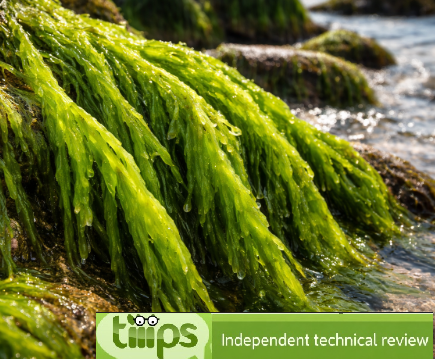
Enteromorpha compressa is a species of green marine algae belonging to the family Ulvaceae. It is commonly referred to as “compressed green algae” and is frequently found along coastlines in many parts of the world, especially in rocky coastal zones and estuaries. It is valued for its ecological role and for potential nutritional and industrial applications, as well as for use in certain cosmetic contexts.
Botanical classification
| Characteristic | Classification |
|---|---|
| Kingdom | Plantae |
| Cladistics | Algae |
| Order | Ulvales |
| Family | Ulvaceae |
| Genus | Enteromorpha |
| Species | Enteromorpha compressa |
Plant characteristics
Growth form: filamentous green alga, with cylindrical or lamellar filaments; it can reach several centimeters in length.
Structure: generally cylindrical filaments, arranged singly or in clusters; soft and gelatinous texture.
Coloration: typically bright green, due to the presence of chlorophyll.
| Parameter | Indicative value |
|---|---|
| Morphology | Cylindrical/lamellar filaments |
| Texture | Soft, gelatinous |
| Color | Bright green |
Chemical composition and structure
Chlorophyll: contains chlorophyll a and b, responsible for the green color and essential for photosynthesis.
Polysaccharides: contains polysaccharides such as ulvans, associated with gelling and thickening properties.
Proteins, vitamins and minerals: contains proteins, vitamins, and minerals, including iodine and iron, relevant for nutritional use.
| Substance class | Examples | Functional role |
|---|---|---|
| Pigments | Chlorophyll a, b | Color, photosynthesis |
| Polysaccharides | Ulvans | Thickener, gelling agent |
| Nutrients | Proteins, vitamins, iodine, iron | Nutritional profile |
How to cultivate it
Environment: grows in salt water, preferring coastal areas and estuaries; it tolerates variations in salinity and moderate temperatures.
Cultivation: commercial cultivation can be carried out in marine aquaculture systems or algae ponds, where conditions can be controlled to optimize growth.
Maintenance: requires adequate aeration and water movement to prevent debris accumulation; regular cleaning of cultivation facilities is needed to reduce contamination risk.
| Factor | Operational requirement | Objective |
|---|---|---|
| Salinity | Marine/variable environment | Growth stability |
| Water movement | Adequate | Debris prevention |
| Facility hygiene | Regular cleaning | Reduced contamination |
Uses and benefits
Nutrition
Used as a food ingredient in some cultures, particularly in Asian culinary contexts.
Appreciated for the contribution of minerals, vitamins, and fiber, as well as the presence of proteins.
Medical
Enteromorpha compressa has uncovered possible therapeutic value by modulating antioxidant defense system, apoptosis and autophagy that could be used to explore very competent algal candidates for the development of potential alternative anticancer drugs (1) and may have potential in curing various types of allergies.(2).
Cosmetics
Polysaccharides and proteins can be used in skincare formulations to support moisturizing and thickening properties.
Industrial applications
Can be used as a raw material for food additives and for applications in the gelling and bio-polymer industries.
Applications
| Field | Application |
|---|---|
| Food | Salads, soups, culinary preparations |
| Cosmetics | Extracts in skin care products |
| Industry | Natural gelling agents, food additives, bio-polymers |
INCI functions
Skin conditioning agent
Supports skin tolerance to external factors and contributes to the prevention of dehydration; in formulations it may act synergistically with emollients and humectants.Skin protectant
May contribute to forming a protective barrier against irritants and external agents, supporting the skin barrier.
Environmental and safety considerations
Environmental impact
Enteromorpha compressa contributes to marine ecosystems by providing habitat and resources for small organisms and may support the balance of coastal environments.
Safety
It is generally considered suitable for food and cosmetic uses. As with many marine products, it is essential to ensure:
Sustainable sourcing
Absence of contamination by environmental pollutants (depending on harvesting area and supply chain)

