



Hibiscus makinoi - Malvaceae
Description
Hibiscus makinoi, also known as Makino hibiscus, is a Hibiscus species native to Japan. It is less well known than other species in the genus, but it is appreciated for its delicate floral features and for its role in traditional Japanese horticultural culture.
From an ornamental perspective, the plant is valued for its aesthetic appeal and for good adaptability to different garden settings, including smaller spaces.
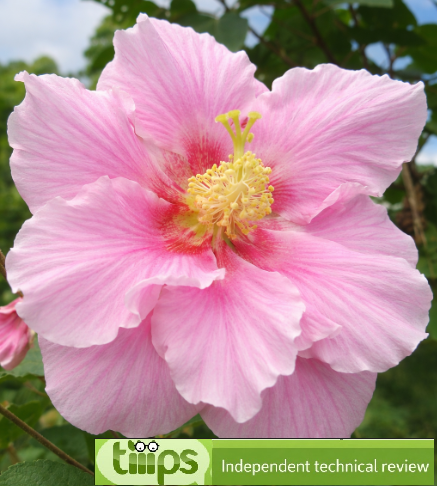
Table 1. Identification data and specifications (indicative)
| Characteristic | Data |
|---|---|
| Common names | Makino hibiscus |
| Botanical name | Hibiscus makinoi |
| Botanical family | Malvaceae |
| Genus | Hibiscus |
| Species | H. makinoi |
| Botanical type | Ornamental shrub (bushy habit) |
| Typical height | About 1.5–2 m |
| Typical width | About 1.5–2 m |
| Flower diameter | About 5–7 cm |
| Fruit | Dry capsules with tiny seeds |
| Parts of interest | Flowers, leaves, mucilages (depending on use) |
| CAS number | Not applicable as a botanical species; depends on the cosmetic extract/derivative, if any |
| EC number | Not applicable as a botanical species; depends on the cosmetic extract/derivative, if any |
| Molecular formula | Not applicable (complex natural matrix) |
| Molecular weight | Not applicable (mixture of constituents) |
Plant characteristics
Size: typical growth up to 1.5–2 m in height, with a similar spread. The habit is bushy and fairly compact, making it suitable even for smaller gardens.
Leaves: ovate to lanceolate leaves, medium green, with smooth or slightly toothed margins. They contribute to foliage density and to ornamental value even outside the flowering period.
Flowers: relatively small for the genus (about 5–7 cm), in shades that may include white, pink, or pale yellow, often with a red or darker center. The appearance is delicate and flowering is described as of short duration compared with other Hibiscus species.
Fruit: produces small dry capsules containing numerous tiny seeds. The capsules are generally not considered ornamental and are used mainly for propagation.
Cultivation
It is described as suitable for temperate climates and for different garden contexts. In general, cultivation is easier in well-drained soils, with standard irrigation management and light pruning to maintain a compact form.
Table 2. Key constituents and chemical profile (indicative)
| Characteristic | Data |
|---|---|
| Available evidence | Specific studies on Hibiscus makinoi are described as limited; the following constituents are reported as plausible by analogy with other species in the genus |
| Flavonoids | Possible presence of quercetin and kaempferol, associated with antioxidant and anti-inflammatory activity (indicative profile) |
| Tannins | Present mainly in leaves; associated with astringent and antimicrobial effects (indicative profile) |
| Essential oils | In smaller amounts; may provide a light fragrance |
| Polysaccharides / mucilages | Mucilage polysaccharides associated with moisturizing and soothing effects |
| Application implications | Profile compatible with cosmetic uses oriented to skin comfort, emollient feel, and support of the skin barrier (to be verified for the specific extract) |
Main uses
Ornamental: cultivated primarily for delicate flowers and attractive foliage. Used to add elegance and subtle color to borders and beds.
Gardening: suitable for traditional Japanese gardens and mixed perennial borders. Its compact size makes it appropriate for smaller spaces.
Cultural use: in Japan it may be used in traditional gardening practices and landscape design, appreciated for a refined aesthetic.
Landscaping: useful for increasing variety and visual interest in beds and borders, in both traditional and contemporary contexts.
Container ornamental use: can also be managed in containers to showcase flowering and foliage density, depending on cultivation needs and root space.
INCI functions
Skin conditioning agent: a function aimed at restoring, increasing, or improving skin tolerance to external factors. The main objective is to help prevent skin dehydration, with a use profile often linked to emollient and humectant components included in the formulation. It is the mainstay of topical skin treatment as it has the function of restoring, increasing or improving skin tolerance to external factors, including melanocyte tolerance. The most important function of the conditioning agent is to prevent skin dehydration, but the subject is rather complex and involves emollients and humectants that can be added in the formulation.
Environmental and safety considerations
Environmental impact: a species adapted to temperate climates; it can thrive in well-drained soils and, when properly managed, it can be an effective choice to increase the ornamental interest of green spaces.
Safety: generally considered safe for ornamental use. As with many plants, contact with plant parts may cause reactions in predisposed individuals; it is advisable to monitor for signs of irritation or allergy during handling (pruning, repotting). No significant safety concerns are reported in the provided information; however, cosmetic use of any extracts still requires assessment of quality, purity, and tolerability of the specific raw material.

