



Rosa scozzese (Rosa spinosissima L.): proprietà, benefici, usi e sicurezza
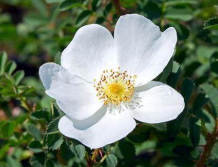
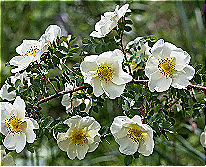
La Rosa scozzese (Rosa spinosissima, L.), comunemente conosciuta come rosa spinosa, è una specie di rosa selvatica originaria dell’Europa e di alcune regioni dell’Asia. È caratterizzata da fusti molto spinosi e da fiori piccoli, profumati. È apprezzata per le qualità ornamentali e per la sua adattabilità a diversi contesti di giardinaggio, inclusi ambienti più esposti e terreni variabili.
 |  |
Classificazione botanica
| Caratteristica | Classificazione |
|---|---|
| Regno | Plantae |
| Ordine | Rosales |
| Famiglia | Rosaceae |
| Genere | Rosa |
| Specie | Rosa spinosissima |
Caratteristiche della pianta
Fiori: di piccole o medie dimensioni, generalmente bianchi o rosa pallido, con fragranza delicata. La fioritura avviene tipicamente dalla tarda primavera all’inizio dell’estate.
Fogliame: foglie verde scuro, lucide, a struttura pennata con margini seghettati; l’aspetto è completato dai fusti spinosi.
Abitudine di crescita: arbusto compatto e denso, con altezza tipica di 1–1,5 m, portamento arrotondato e numerose spine lungo i fusti.
Suolo e luce: preferisce terreni ben drenati e luce solare diretta; specie resistente e adattabile a diverse condizioni del suolo, con migliori prestazioni in posizioni soleggiate e aperte.
| Parametro | Indicazione |
|---|---|
| Altezza tipica | 1–1,5 m |
| Esposizione | Sole diretto |
| Suolo | Ben drenato, adattabile |
Composizione chimica e struttura
La composizione chimica della Rosa spinosissima include:
Oli essenziali: composti aromatici come geraniolo e citronellolo, che contribuiscono alla fragranza.
Flavonoidi e tannini: presenti in foglie e fiori, associati a proprietà antiossidanti e astringenti.
Acidi organici: presenti nel fogliame e nei fiori; contribuiscono al profilo aromatico e ai potenziali effetti funzionali.
| Classe di composti | Esempi | Contributo principale |
|---|---|---|
| Oli essenziali | Geraniolo, citronellolo | Fragranza |
| Flavonoidi / tannini | Vari | Antiossidante, astringente |
| Acidi organici | Vari | Profilo aromatico |
Usi e benefici
Estetico
Valorizzata per fiori profumati e portamento compatto, oltre che per la presenza di spine che la rendono adatta anche a siepi con funzione di barriera.
Cosmetico
Estratti utilizzati in prodotti per la cura della pelle per una leggera azione astringente e per l’apporto aromatico.
Medicinale
Impiego tradizionale in erboristeria per potenziali effetti antinfiammmatori e lenitivi; le evidenze scientifiche disponibili sono indicate come limitate.
Culinario
I cinorrodi possono essere utilizzati per tè e infusi, offrendo un gusto delicato e una fonte di vitamina C.
Applicazioni
| Ambito | Applicazione |
|---|---|
| Giardinaggio | Arbusto ornamentale, siepi |
| Cosmetici | Estratti in formulazioni skincare |
| Medicinale | Rimedi erboristici tradizionali |
| Culinario | Cinorrodi per tè e infusi |
Funzioni INCI
Tensioattivo – foam booster
Favorisce la formazione di schiuma introducendo bolle di gas in acqua e supporta il processo di pulizia migliorando la spalmabilità del detergente. Poiché il sebo può ridurre la stabilità della bolla, un eventuale secondo shampoo tende a produrre più schiuma.
CAS: 97593-52-7
EC number: 307-357-4
Considerazioni ambientali e di sicurezza
Impatto ambientale
Specie resistente e adattabile a vari ambienti da giardino; contribuisce alla biodiversità e può fornire habitat e risorse per la fauna selvatica locale.
Sicurezza
Generalmente sicura da maneggiare e utilizzare; tuttavia, persone con allergie o sensibilità dovrebbero prestare attenzione. Per utilizzi medicinali è consigliabile consultare un medico prima dell’impiego.

