



Scottish rose (Rosa spinosissima, L.): benefits, uses and safety
General description
The Scottish rose (Rosa spinosissima, L.), commonly known as the burnet rose, is a wild rose species native to Europe and parts of Asia. It is characterized by highly thorny stems and small, fragrant flowers. It is valued for its ornamental qualities and its adaptability to a wide range of garden conditions, including more exposed sites and variable soils.
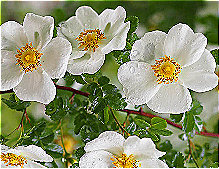 | 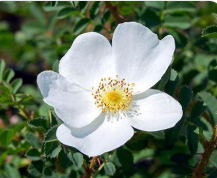 |
Botanical classification
| Characteristic | Classification |
|---|---|
| Kingdom | Plantae |
| Order | Rosales |
| Family | Rosaceae |
| Genus | Rosa |
| Species | Rosa spinosissima |
Plant characteristics
Flowers: small to medium-sized, generally white or pale pink, with a delicate fragrance. Blooming typically occurs from late spring to early summer.
Foliage: dark green, glossy leaves with a pinnate structure and serrated margins; the overall appearance is complemented by the plant’s thorny stems.
Growth habit: compact, dense shrub, typically 1–1.5 m tall, with a rounded form and numerous thorns along the stems.
Soil and light: prefers well-drained soils and direct sunlight; a hardy and adaptable species that performs best in open, sunny locations.
| Parameter | Indicative value |
|---|---|
| Typical height | 1–1.5 m |
| Exposure | Direct sun |
| Soil | Well-drained, adaptable |
Chemical composition and structure
The chemical composition of Rosa spinosissima includes:
Essential oils: aromatic compounds such as geraniol and citronellol, contributing to its fragrance.
Flavonoids and tannins: present in leaves and flowers, associated with antioxidant and astringent properties.
Organic acids: present in foliage and flowers; contribute to the aromatic profile and potential functional effects.
| Compound class | Examples | Main contribution |
|---|---|---|
| Essential oils | Geraniol, citronellol | Fragrance |
| Flavonoids / tannins | Various | Antioxidant, astringent |
| Organic acids | Various | Aromatic profile |
Uses and benefits
Aesthetic
Valued for fragrant flowers and a compact habit, and for the presence of thorns that also makes it suitable for hedges with a barrier function.
Cosmetic
Extracts used in skin care products for mild astringent activity and aromatic contribution.
Medicinal
Traditionally used in herbal practice for potential anti-inflammatory and soothing effects; the available scientific evidence supporting these uses is described as limited.
Culinary
The hips can be used for teas and infusions, offering a delicate taste and a source of vitamin C.
Applications
| Field | Application |
|---|---|
| Gardening | Ornamental shrub, hedges |
| Cosmetics | Extracts in skin care formulations |
| Medicinal | Traditional herbal remedies |
| Culinary | Rose hips for teas and infusions |
INCI functions
Surfactant – foam booster
Promotes foam formation by introducing gas bubbles into water and supports the cleansing process by improving detergent spreadability. Because sebum inhibits bubble stability, a second shampoo (when performed) typically produces more foam.
CAS: 97593-52-7
EC number: 307-357-4
Environmental and safety considerations
Environmental impact
A hardy and adaptable species for many garden environments; it contributes to biodiversity and can provide habitat and resources for local wildlife.
Safety
Generally safe to handle and use; however, individuals with allergies or sensitivities should exercise caution. For medicinal use, it is advisable to consult a physician prior to use.

