



Vaccinium macrocarpon (Ericaceae) – American cranberry
Vaccinium macrocarpon, commonly known as the American cranberry, is a perennial shrub of the family Ericaceae, native to the wetlands and bogs of North America. It is a prostrate, creeping dwarf shrub, with thin, woody stems that may extend beyond one metre and readily root at the nodes, forming dense mats. The leaves are small, leathery and evergreen, alternately arranged along the stems; the upper surface is dark green, while the underside is paler and often equipped with tiny glands. The flowers, delicate and pale pink, have strongly reflexed petals and are typically pollinated by insects.
The fruit is a red berry, globose to ellipsoid, with firm flesh, high acidity and pronounced astringency. This particular sensory profile has favoured the use of cranberries mainly in processed forms (juices, sauces, extracts), as fresh consumption is generally considered too sour and astringent. The species has a physiological cycle strongly adapted to cold climates: it requires a winter dormancy period and thrives on acidic, water-saturated yet well-oxygenated substrates. The well-known cranberry bogs of North America rely on carefully managed water regimes that reproduce, in an agricultural setting, the ecological dynamics of natural peatlands.
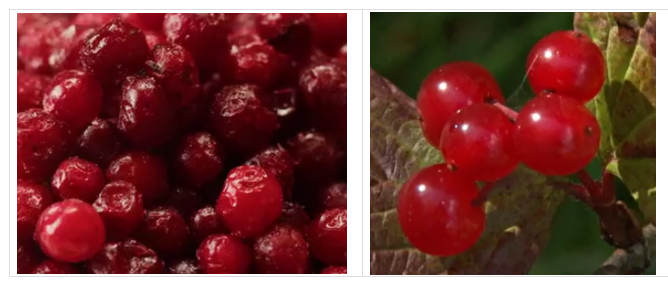
From an ecological point of view, Vaccinium macrocarpon is adapted to oligotrophic habitats. It can persist where few other plants compete successfully, thanks to its tolerance of very low pH, low nutrient availability and low temperatures. Its berries provide a food source for numerous bird species and small mammals, which contribute to seed dispersal. The creeping growth habit and ability to root from stem nodes make cranberry an important stabilising element in the plant cover of bog ecosystems.
The main scientific interest in Vaccinium macrocarpon stems from its phytochemical profile, rich in polyphenols, including anthocyanins, flavonols, phenolic acids and, in particular, A-type proanthocyanidins (PAC-A). These latter compounds are considered a key distinguishing feature of cranberry compared with other Vaccinium species. PAC-A have been associated with a potential ability to interfere with bacterial adhesion to uroepithelial cells, especially in the case of Escherichia coli, a mechanism that underpins the use of cranberry in supporting urinary tract health.
Modern scientific literature has examined this application in depth, with overall promising but variable results depending on dose, PAC-A content, formulation and the clinical profile of the population studied. The most consistent evidence points to a reduced risk of recurrence of uncomplicated urinary tract infections, particularly in women with frequent episodes, provided that standardised extracts are used and taken regularly. It is essential to emphasise that cranberry does not replace antibiotics when these are clinically indicated, but may act as a preventive adjunct in selected cases.
Beyond the urological field, various studies have explored the potential antioxidant, anti-inflammatory, hypoglycaemic and cardiovascular effects of cranberry. The high polyphenol content appears to contribute to modulation of oxidative markers, support of endothelial function and regulation of certain metabolic parameters, although in these areas, too, the most robust findings often come from relatively short-term interventions or specific subgroups of the population. The impact of cranberry on the gut microbiota is an emerging topic: some research suggests that microbial metabolites derived from proanthocyanidins may influence the composition of certain bacterial communities in a favourable way.
From a nutritional standpoint, fresh cranberries have very low energy density and provide vitamin C, dietary fibre and a variety of phenolic compounds. However, many commercial products (such as juices and dried cranberries) contain added sugars, which substantially alter the overall nutritional profile. For this reason, health assessments must clearly distinguish between whole fruit, standardised extracts and processed products.
Agronomically, cranberry cultivation is a highly specialised system that requires strongly acidic soils, precise water management, carefully selected cultivars with staggered ripening and post-harvest practices designed to preserve physical integrity, colour and polyphenol content. The cranberry industry represents an economically important sector in the United States and Canada, supplying both the food market and the nutraceutical sector.
Botanical classification (APG IV system)
| Category | Data |
|---|---|
| Common name | American cranberry, large cranberry |
| Botanical name | Vaccinium macrocarpon Aiton |
| Kingdom | Plantae |
| Clade | Angiosperms → eudicots → core eudicots → asterids |
| Order | Ericales |
| Family | Ericaceae |
| Subfamily | Vaccinioideae |
| Tribe | Vaccinieae |
| Genus | Vaccinium |
| Species | Vaccinium macrocarpon Aiton |
Indicative nutritional values per 100 g (fresh fruits of Vaccinium macrocarpon)
Values refer to raw, unsweetened cranberries; they may vary with cultivar, growing conditions and ripeness.
| Component | Approximate value per 100 g |
|---|---|
| Energy | ~ 45–50 kcal |
| Water | ~ 87 g |
| Total carbohydrates | ~ 12 g |
| — of which sugars | ~ 4 g |
| Dietary fiber | ~ 4–5 g |
| Proteins | ~ 0.4–0.5 g |
| Total lipids | ~ 0.1 g |
| — of which saturated fatty acids (SFA) | ~ 0.01–0.02 g |
| — monounsaturated fatty acids (MUFA) | traces |
| — polyunsaturated fatty acids (PUFA) | traces (around 0.05–0.07 g) |
| Sodium | very low (≈ 2 mg) |
| Main minerals | manganese (notable), potassium, small amounts of other minerals |
| Relevant vitamins | vitamin C (≈ 13–15 mg), small amounts of vitamin E and B-group vitamins |
At typical serving sizes (for example 40–80 g fresh in sauces, salads or mixed fruit), American cranberry provides a moderate energy intake, almost entirely from carbohydrates, plus a meaningful amount of dietary fiber, vitamin C and manganese.
(For sweetened dried cranberries, energy and sugar content are much higher and vitamin C much lower compared with fresh fruit.)
Lipid profile note
Fresh Vaccinium macrocarpon fruits have a very low fat content. Saturated fatty acids (SFA) are present only in trace amounts; when SFA predominate over unsaturated fats in the overall diet, they are generally considered less favourable for cardiovascular health.
The tiny lipid fraction is composed mainly of unsaturated fatty acids (MUFA and PUFA), which are usually regarded as more favourable when they replace part of dietary SFA. In cranberries, however, the absolute fat contribution is so low that their impact on total dietary fat balance is negligible; nutritional interest focuses primarily on fiber, vitamin C, manganese and phenolic compounds (proanthocyanidins, anthocyanins and other polyphenols).
Plant Characteristics:
Vaccinium macrocarpon is a low-growing, creeping shrub that can reach heights of 15-30 cm. It produces small, white or pale pink flowers that bloom in summer and develop into red, tart berries. It thrives in cool, wet environments, often found in bogs and marshes, and prefers acidic, well-drained soils.
Chemical Composition and Structure:
Cranberries contain several beneficial compounds:
- Vitamins: Rich in Vitamin C and Vitamin A, with some B vitamins.
- Minerals: Contains essential minerals such as potassium, calcium, and magnesium.
- Antioxidants: High concentrations of antioxidants, including flavonoids (such as quercetin and anthocyanins), ellagic acid, and proanthocyanidins, which help combat oxidative stress.
- Organic Acids: Includes citric and malic acids, contributing to the tart flavor and potential health benefits.
- Dietary Fiber: Good source of dietary fiber that supports digestive health.
How to Cultivate It:
- Climate: Prefers cool, temperate climates with cold winters and cool summers.
- Soil: Grows best in acidic, moist, and well-drained soils, such as those found in peat bogs.
- Sunlight: Requires full sun or partial shade for optimal growth.
- Watering: Needs regular watering to keep the soil moist, avoiding excess water that can cause root rot.
- Pruning: Pruning is not essential but can help maintain plant health and promote better fruit production.
Uses and Benefits:
- Culinary Uses: Cranberries are used fresh, dried, in juices, sauces, and jams. They are a common ingredient in traditional dishes like cranberry sauce for turkey.
- Medicinal Uses: Traditionally used for their antimicrobial and anti-inflammatory properties. Cranberries are known to support urinary tract health and may help prevent urinary infections.
- Economic Uses: Cultivated commercially for the food market and cranberry-based products, including supplements and juices.
Cosmetic Uses:
- Antioxidants: The antioxidants in cranberries help protect the skin from free radical damage, reducing signs of aging and promoting a youthful appearance.
- Hydration: Cranberry extracts are used in skincare products to enhance skin hydration and maintain softness.
- Brightening: Antioxidants and vitamins in cranberry extracts can help brighten the complexion and reduce the appearance of dark spots and uneven skin tone.
- Exfoliation: Natural acids in cranberries can help gently exfoliate dead skin cells, improving texture and radiance.
- Anti-inflammatory: Cranberry extracts have anti-inflammatory properties that can soothe irritated skin and reduce redness.
INCI Functions:
Skin conditioning agent. It is the mainstay of topical skin treatment as it has the function of restoring, increasing or improving skin tolerance to external factors, including melanocyte tolerance. The most important function of the conditioning agent is to prevent skin dehydration, but the subject is rather complex and involves emollients and humectants that can be added in the formulation.
CAS 91770-88-6
EC number 294-875-8
Applications:
- Skincare Products: Used in creams, masks, and serums for their hydrating, anti-aging, and brightening effects.
- Exfoliating Treatments: Incorporated into exfoliating products to remove dead skin cells and improve texture.
- Brightening Products: Formulated to address pigmentation issues and improve skin tone.
Environmental and Safety Considerations:
- Pests and Diseases: Cranberries can be susceptible to pests such as aphids and fungal diseases like gray mold. Regular monitoring and management are necessary.
- Invasive Potential: Generally not considered invasive but can spread under favorable conditions.
- Safety: Generally regarded as safe for topical application. However, like all extracts, it should be used in accordance with established guidelines to avoid potential allergic reactions or skin irritations. People with allergies or very sensitive skin should be careful.
Studies
Cranberries are generally safe for consumption and are known for their potential health benefits, including preventing urinary tract infections and protecting against some chronic diseases due to their high antioxidant content. In some individuals, excessive consumption of cranberries can cause gastrointestinal disturbances due to their acid content.
It is used in the food sector mainly for the preparation of fruit juices and sweets and in medicine to treat cystitis, kidneys and related infections (1), as well as to counteract the progression of prostate cancer (2).
It has a very high content of polyphenols, compared to fruits such as orange, grape, contains anthocyanins, polyphenols (quercetin, myricetin), malic acid, citric acid (3), vitamins (A, C, E), resveratrol. It can therefore be considered a nutraceutical.
The integration of cranberry quercetin into the chemotherapy of ovarian cancer has produced in vitro cellular apoptotic events, including cell cycle arrest, for which it can be considered a potential dietary available therapeutic agent (4).
The scientific literature agrees in attributing to cranberry anti-tumor properties. This in vitro study has shown that cranberry and/or its components can act as chemopreventive agents, reducing the risk of cancer by inhibiting cellular oxidation and inflammatory processes, while they can also exert chemotherapeutic effects by inhibiting cellular proliferation and angiogenesis, inducing cellular apoptosis and attenuating the ability of tumor cells to invade and metastasize (5).
The polyphenols present in the cranberry are known to have attenuating effects against different properties of cariogenic virulence responsible for the pathogenesis of dental caries (6).
Avoid drinking too much cranberry juice as it can alter the effect of warfarin (7).

