



Vaccinium myrtillus (Ericaceae)
Vaccinium myrtillus, commonly known as European bilberry or European blueberry, is a small deciduous shrub belonging to the family Ericaceae, widely distributed across the temperate and boreal regions of Europe and northern Asia. It is a characteristic component of acid heathlands, coniferous forests, bogs and montane and subalpine environments, where it forms dense carpets in the understorey. The species prefers acid, well-drained, humus-rich soils and shows a marked ability to colonise nutritionally poor environments, especially in mountain and boreal belts. Morphologically, it is a low shrub with green, angular, strongly branched shoots, small ovate leaves with finely serrated margins, and solitary, nodding, urn-shaped flowers, usually greenish-pink to pink.
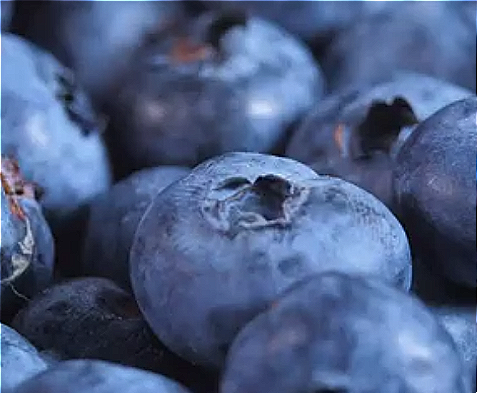 | 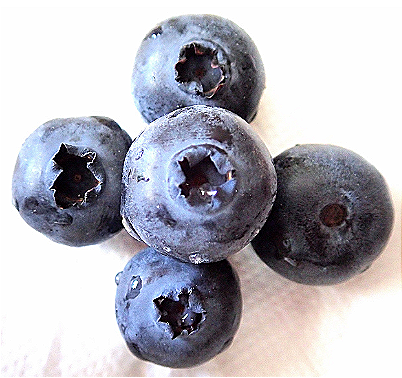 |
The fruit is a small blue-black berry, rich in intensely coloured juice that readily stains skin and mucous membranes. A distinctive feature of European bilberry, compared with related species such as Vaccinium corymbosum (the American highbush blueberry), is the presence of anthocyanin pigments not only in the skin but also in the pulp, giving the fruit a uniformly dark colour in cross-section. The plant propagates both by seed and, very efficiently, through rhizomes and underground stems, which allow it to form extensive clonal colonies and to play an important role in soil stabilisation and understorey structure.
From an ecological perspective, Vaccinium myrtillus is considered a key species in many forest and mountain ecosystems. It contributes to carbon and nutrient cycles, provides a major food source for numerous frugivorous animals (birds, small mammals and large herbivores) and influences the natural regeneration dynamics of tree species. Its occurrence is often used as an indicator of soil conditions, water regime and forest cover, and several ecological studies have modelled its distribution in relation to climatic, hydrological and edaphic factors, particularly in boreal and subalpine environments.
On the chemical and health side, European bilberry is especially noted for its very high content of anthocyanins, among the highest within the genus Vaccinium. These pigments, together with other polyphenols (flavonols, phenolic acids and tannins), are responsible for the marked antioxidant capacity of the fruits. In addition to polyphenols, bilberries provide vitamin C, dietary fibre and a moderate amount of simple sugars, within a relatively low-energy matrix. Scientific interest focuses on the potential role of anthocyanins and other bioactive constituents in various aspects of cardiovascular health, glucose metabolism, oxidative stress and inflammatory responses.
Experimental and clinical studies, with varying levels of evidence, suggest possible beneficial effects of standardised Vaccinium myrtillus fruit extracts on vascular function, modulation of inflammatory and oxidative markers, support of visual function under conditions of fatigue or oxidative stress, and improvement of certain metabolic parameters such as blood glucose and lipid profile. It is important to underline that many of these results come from studies using specific preparations (extracts titrated in anthocyanins) under controlled conditions and cannot be directly extrapolated to occasional consumption of fresh or processed berries. Consumption of the fruit as part of a balanced diet is generally considered favourable, whereas the use of high-dose nutraceutical or phytotherapeutic products calls for critical evaluation of the literature and appropriate professional guidance.
The leaves of Vaccinium myrtillus have also been used in traditional herbal practice, particularly in infusions aimed at supporting glucose metabolism. However, their content of tannins and other constituents raises concerns in the case of prolonged or uncontrolled use, and modern regulatory assessments tend to be more cautious regarding extensive use of leaves than of fruits. For this reason, current attention is focused mainly on fruit-based preparations (dried berries, standardised extracts, juices and derivatives), for which the data set is broader, though still evolving.
Botanical classification (APG IV system)
| Category | Data |
|---|---|
| Common name | bilberry, European blueberry, whortleberry |
| Botanical name | Vaccinium myrtillus L. |
| Kingdom | Plantae |
| Clade | Angiosperms → eudicots → asterids |
| Order | Ericales |
| Family | Ericaceae |
| Subfamily | Vaccinioideae |
| Genus | Vaccinium |
| Species | Vaccinium myrtillus L. |
Indicative nutritional values per 100 g (fresh fruits of Vaccinium myrtillus)
Values refer to fresh bilberries and may vary with origin, growing conditions, cultivar and ripeness.
| Component | Approximate value per 100 g |
|---|---|
| Energy | ~ 50–65 kcal |
| Water | ~ 85–88 g |
| Total carbohydrates | ~ 10–12 g |
| — of which sugars | ~ 8–10 g |
| Dietary fiber | ~ 2.5–3.5 g |
| Proteins | ~ 0.6–0.8 g |
| Total lipids | ~ 0.4–1.1 g |
| — of which saturated fatty acids (SFA, saturated fatty acids) | < 0.1 g |
| — monounsaturated fatty acids (MUFA, monounsaturated fatty acids) | ~ 0.1–0.2 g |
| — polyunsaturated fatty acids (PUFA, polyunsaturated fatty acids) | ~ 0.2–0.3 g |
| Sodium | very low (a few mg) |
| Main minerals | potassium (tens of mg per 100 g), small amounts of calcium, magnesium, phosphorus, manganese |
| Relevant vitamins | vitamin C (typically around 7–30 mg), small amounts of vitamin E and B-group vitamins |
At typical serving sizes (for example 50–100 g of fruits in yogurt, desserts, smoothies or as a snack), bilberries provide a moderate energy intake, almost entirely from carbohydrates, an interesting amount of dietary fiber, and a variable contribution of vitamin C and phenolic compounds (especially anthocyanins), which are more relevant from a phytochemical than from a strictly macronutrient perspective.
Lipid profile note
Fresh Vaccinium myrtillus fruits have a very low fat content. Saturated fatty acids (SFA) are present only in minimal amounts; when SFA predominate over unsaturated fats in the overall diet, they are generally regarded as less favourable for cardiovascular health.
Most of the small lipid fraction is made up of MUFA and PUFA, which are usually considered more favourable when they replace part of dietary SFA. However, given the very low absolute fat content of bilberries and the relatively small serving sizes, their direct impact on the global dietary fat profile is negligible; the main nutritional interest lies in carbohydrates, fiber, vitamins and phenolic compounds.
Plant Characteristics:
Growth Form: Vaccinium myrtillus is a deciduous shrub that typically grows to a height of 0.3-0.6 meters. It has a spreading habit with a dense network of branches.
Leaves: The leaves are oval, with a glossy, dark green upper surface and a lighter green or reddish underside. They turn red or orange in the autumn.
Flowers: The flowers are small, bell-shaped, and pale pink or white, appearing in clusters. They usually bloom in late spring to early summer.
Fruits: The berries are small, round, and dark blue to black when ripe. They have a sweet and slightly tangy flavor.
Chemical Composition and Structure:
- Anthocyanins: Bilberries are rich in anthocyanins, a type of flavonoid that provides their deep blue color and has strong antioxidant properties.
- Vitamins: The berries are a good source of vitamin C, which supports immune function and skin health.
- Minerals: They contain important minerals like manganese and iron.
- Phenolic Compounds: Bilberries contain various phenolic compounds, including quercetin and catechins, which have antioxidant and anti-inflammatory properties.
Cultivation:
- Soil: Prefers acidic, well-drained soils with a pH between 4.5 and 5.5. It thrives in sandy, loamy, or peaty soils.
- Climate: Grows well in temperate climates with cold winters and moderate summers. It requires a period of winter chill for optimal fruiting.
- Irrigation: Regular watering is needed, particularly in dry periods, but overwatering should be avoided to prevent root rot.
- Fertilization: Use fertilizers that are low in phosphorus, as bilberries are adapted to low-phosphorus soils. A balanced, acidic fertilizer can be applied in the spring.
- Pruning: Pruning helps to maintain plant shape and encourages new growth. Remove old or damaged branches to improve air circulation and fruit production.
Uses and Benefits:
- Culinary Uses: Bilberries are used in a variety of dishes, including jams, jellies, pies, and sauces. They are also enjoyed fresh or dried as a snack.
- Medicinal Uses: Bilberries are known for their potential health benefits, including improved vision, enhanced circulation, and anti-inflammatory effects. They are often used in supplements and traditional remedies.
- Cosmetic Uses: Extracts from bilberries are used in skincare products for their antioxidant properties, which can help protect the skin from damage and promote a healthy complexion.
INCI Functions:
Skin conditioning agent. It is the mainstay of topical skin treatment as it has the function of restoring, increasing or improving skin tolerance to external factors, including melanocyte tolerance. The most important function of the conditioning agent is to prevent skin dehydration, but the subject is rather complex and involves emollients and humectants that can be added in the formulation.
Antioxidant agent. Ingredient that counteracts oxidative stress and prevents cell damage. Free radicals, pathological inflammatory processes, reactive nitrogen species and reactive oxygen species are responsible for the ageing process and many diseases caused by oxidation.
Hair conditioning agent. A significant number of ingredients with specific and targeted purposes may co-exist in hair shampoo formulations: cleansers, conditioners, thickeners, matting agents, sequestering agents, fragrances, preservatives, special additives. However, the indispensable ingredients are the cleansers and conditioners as they are necessary and sufficient for hair cleansing and manageability. The others act as commercial and non-essential auxiliaries such as: appearance, fragrance, colouring, etc. Hair conditioning agents have the task of increasing shine, manageability and volume, and reducing static electricity, especially after treatments such as colouring, ironing, waving, drying and brushing. They are, in practice, dispersants that may contain cationic surfactants, thickeners, emollients, polymers. The typology of hair conditioning agents includes: intensive conditioners, instant conditioners, thickening conditioners, drying conditioners. They can perform their task generally accompanied by other different ingredients.
Skin conditioning agent. It is the mainstay of topical skin treatment as it has the function of restoring, increasing or improving skin tolerance to external factors, including melanocyte tolerance. The most important function of the conditioning agent is to prevent skin dehydration, but the subject is rather complex and involves emollients and humectants that can be added in the formulation.
Cosmetic astringent. This ingredient exerts a direct effect on the skin by tightening dilated pores by contracting stratum corneum cells and removing superfluous oil.
CAS: 84082-34-8
EC number 281-983-5
Applications:
- Food Industry: Bilberries are utilized in making jams, juices, and baked goods. Their flavor and nutritional content make them a popular ingredient in various culinary products.
- Pharmaceutical Industry: Bilberry extracts are used in dietary supplements and herbal remedies for their potential health benefits, including their effects on vision and vascular health.
- Cosmetic Industry: Ingredients derived from bilberries are incorporated into skincare products due to their antioxidant and anti-inflammatory properties.
Environmental and Safety Considerations:
- Environmental Impact: Cultivating bilberries in an environmentally sustainable manner is crucial to minimize the impact on soil and surrounding ecosystems. Using organic practices and avoiding excessive use of chemicals can help preserve the environment.
- Safety: Bilberries are generally safe to consume and use.
Studies
Blueberry contains a large number of phytochemicals including flavonoids, polyphenols and anthocyanins to which the scientific literature attributes a positive role in limiting the risks of cardiovascular disease, obesity and type 2 diabetes mellitus as they exert antioxidant and anti-inflammatory activity. It can therefore be considered a nutraceutical.
This crossover study conducted on obese or overweight patients with metabolic syndrome confirmed an antioxidant action that manifested itself after three hours from the intake of blueberries during meals (1).
The most abundant flavonoids found in blueberry are, according to this study, quercetin, kaempferol and, among phenolic acids, gentisic acid. These compounds were evaluated on treated cells HCT-116, a tumor model for human colon cancer. Quercetin and kaempferol have shown strong cytotoxic, antioxidant and apoptotic effects, while gentisic acid is mostly effective as an antioxidant polyphenol. The study concludes that these flavonoids have anticancer potential (2).
Based on evidence, blueberry can improve some measures of cognitive performance and mood (3).
In blueberry content, 10.0 μg/mL of phenolic acid present in blueberry has been shown to inhibit the death of retinal pigment epithelial cells. Anthocyanins and flavonoids showed similar results and the consistent activity of flavonoids improved phagocytosis and oxidative cellular stress (4).
An intake of blueberry flavonoids, equivalent to 240 g or 1½ cup of fresh blueberries, can provide acute cognitive benefits in children. These results support the accumulation of evidence that flavonoid-rich products are beneficial to healthy brain function, particularly during critical developmental periods (5).

