



Citrus limon (Rutaceae) – lemon
Citrus limon, commonly known as the lemon, is a fruit tree belonging to the family Rutaceae and is one of the most widely recognised and cultivated citrus species in temperate and subtropical regions. Probably originating from areas between Southeast Asia and the Indian subcontinent, the lemon spread throughout the Mediterranean basin through long processes of domestication and selection, which led to the modern cultivars, characterised by regular fruiting, good climatic adaptability and distinctive organoleptic qualities. The plant shows a habit that ranges from shrubby to small tree, with occasionally spiny branches, evergreen leaves of a glossy green colour and white flowers, sometimes tinged with pink in the bud stage, rich in aromatic compounds that define the characteristic olfactory profile of the species.
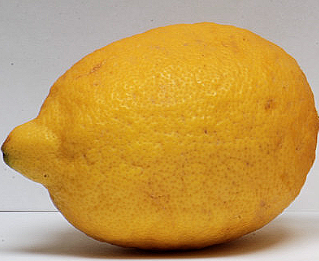 | 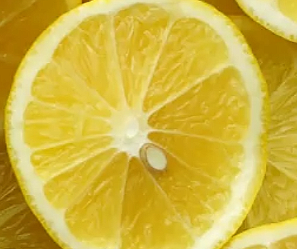 |
The fruit, a modified berry known as a hesperidium, is distinguished by its peel (flavedo and albedo) rich in essential oils and by a yellow, juicy pulp with a naturally high acidity, mainly due to citric acid, which can represent a substantial proportion of the soluble fraction of the juice. In addition to its obvious culinary value, the lemon fruit is an important model in plant science for the study of secondary metabolites, the development of secretory tissues in the peel and the dynamics of flavonoid accumulation in the epicarp–mesocarp region during maturation.
From an ecological and agronomic perspective, Citrus limon adapts well to mild climates with relatively frost-free winters and performs best in well-drained soils that are not excessively calcareous. In traditional Mediterranean agroecosystems, lemon trees contribute to crop diversification and to the creation of microhabitats that support beneficial insects, pollinators and soil microorganisms. The numerous cultivated varieties differ in harvest time, juice content, aroma profile and peel characteristics, differences that are exploited in the food, fragrance and pharmaceutical industries.
From a health and nutritional standpoint, lemons are rich in bioactive compounds that give the fruit significant functional value. The pulp contains notable amounts of vitamin C (ascorbic acid), an essential nutrient in human metabolism for its antioxidant role and its involvement in collagen synthesis, support of the immune system and protection from oxidative stress when consumed as part of a balanced diet. Lemons also provide flavonoids such as hesperidin, eriocitrin and diosmin, which have been widely investigated for their potential vasoprotective, anti-inflammatory and further antioxidant activities. The essential oil, concentrated in the flavedo, contains constituents such as limonene, citral and β-pinene, compounds that contribute to the aromatic profile and are of interest in cosmetics, aromatherapy, food flavouring and, in some cases, as mild preservative agents.
At the same time, as with many species rich in secondary metabolites, certain precautions of use should be considered. Non-rectified lemon essential oil may contain photosensitising furocoumarins, which can increase the skin’s reactivity to UV radiation when applied topically and exposed to sunlight. The high acidity of lemon juice, although useful in many preparations, can be irritating for individuals with gastric sensitivity, reflux or other upper gastrointestinal conditions. Nevertheless, the overall contribution of lemon to everyday nutrition and well-being is widely recognised, especially in relation to hydration, support of immune function and culinary versatility, provided it is consumed within the framework of a varied and balanced diet.
In Mediterranean culture, the lemon has acquired a central symbolic and historical role, becoming an emblem of freshness, purity and culinary longevity. Its integration into culinary practices, domestic traditions, agronomic systems and folk remedies testifies to a long and continuous interaction between humans and this species. Today, scientific interest in Citrus limon encompasses botany, biochemistry, agronomy, nutrition science and public health, reflecting the plant’s capacity to link morphological distinctiveness, agronomic value and a rich chemical–functional profile.
Botanical classification (APG IV system)
| Category | Data |
|---|---|
| Common name | lemon |
| Botanical name | Citrus limon (L.) Osbeck |
| Kingdom | Plantae |
| Clade | Angiosperms → eudicots → rosids |
| Order | Sapindales |
| Family | Rutaceae |
| Genus | Citrus |
| Species | Citrus limon (L.) Osbeck |
Indicative nutritional values per 100 g (fresh lemon pulp, without peel)
Values refer to fresh lemon and may vary according to cultivar, maturity and growing conditions.
| Component | Approximate value per 100 g |
|---|---|
| Energy | ~ 28–30 kcal |
| Water | ~ 88 g |
| Total carbohydrates | ~ 9 g |
| — of which sugars | ~ 2.5–3 g |
| Dietary fiber | ~ 2.5–3 g |
| Proteins | ~ 1.0 g |
| Total lipids | ~ 0.3 g |
| — of which saturated fatty acids (SFA) | traces |
| — monounsaturated fatty acids (MUFA) | traces |
| — polyunsaturated fatty acids (PUFA) | traces |
| Sodium | very low (~ 2 mg) |
| Main minerals | potassium (~ 140 mg), calcium (~ 25–30 mg), magnesium (~ 6 mg) |
| Relevant vitamins | vitamin C (~ 45–55 mg), small amounts of B-group vitamins |
Plant Characteristics:
- Growth Form: The lemon tree typically grows to a height of 3-6 meters (10-20 feet) and has a spreading canopy. It is evergreen and retains its foliage throughout the year.
- Leaves: The leaves are glossy, dark green, and have a distinctive, aromatic scent. They are ovate to elliptical, with a smooth margin and a pointed tip. The leaves are about 5-10 cm (2-4 inches) long.
- Flowers: Lemon trees produce fragrant white to pale pink flowers with a five-petaled structure. The flowers are usually solitary or in small clusters, blooming from spring to summer.
- Fruit: The fruit is a bright yellow, round to oval citrus, measuring about 6-8 cm (2.5-3 inches) in diameter. The lemon has a thick, textured rind and a sour, acidic pulp with a high vitamin C content.
Chemical Composition and Structure:
- Essential Oils: Lemon essential oil is extracted from the rind and contains compounds such as limonene, citronellol, and gamma-terpinene. These compounds contribute to the fruit's characteristic aroma and have various therapeutic properties.
- Citric Acid: The fruit is rich in citric acid, which contributes to its tart flavor and is used as a natural preservative and acidulant in food and beverages.
- Flavonoids: Lemons contain flavonoids like hesperidin and eriocitrin, which have antioxidant properties.
- Vitamins and Minerals: The fruit is an excellent source of vitamin C (ascorbic acid), as well as small amounts of B vitamins, potassium, calcium, and magnesium.
How to Cultivate It:
- Soil: Lemon trees prefer well-drained, sandy loam soils with a slightly acidic to neutral pH. They can tolerate a range of soil types as long as drainage is adequate.
- Climate: The lemon tree thrives in subtropical and tropical climates with warm temperatures and plenty of sunlight. It requires frost-free conditions and can be grown in USDA hardiness zones 9-11.
- Watering: Regular watering is essential, especially during dry periods. The soil should be kept consistently moist but not waterlogged. Drip irrigation is often used in commercial cultivation.
- Fertilization: Lemon trees benefit from balanced fertilizers with high potassium content. They should be fed during the growing season to promote healthy growth and fruit production.
- Propagation: Lemon trees are commonly propagated from seeds, grafting, or cuttings. Grafting is often used to ensure that the plant has desirable fruit characteristics and disease resistance.
Uses and Benefits:
- Culinary: Lemons are widely used in cooking and baking to add flavor and acidity. The juice, zest, and pulp are used in a variety of dishes, beverages, and desserts.
- Health Benefits: The high vitamin C content of lemons supports immune function, skin health, and antioxidant protection. Lemon juice is also used as a home remedy for digestive issues and detoxification.
- Cosmetic: Lemon essential oil is used in skincare products for its astringent and brightening properties. It is also used in hair care products to help with dandruff and shine.
Applications:
- Food and Beverage: Lemons are used in a wide range of culinary applications, including dressings, marinades, beverages (like lemonade), and as a garnish. Lemon zest and juice are also used in baking and confectionery.
- Cosmetics and Personal Care: Lemon essential oil is included in products such as cleansers, toners, shampoos, and body scrubs. Its natural astringent and antimicrobial properties are beneficial for skin and hair care.
- Household: Lemon juice and essential oil are used as natural cleaning agents due to their antibacterial and deodorizing properties.
Environmental and Safety Considerations:
- Environmental Impact: Lemon cultivation can have environmental impacts such as water usage and pesticide application. Sustainable practices and integrated pest management can help mitigate negative effects.
- Safety: Lemons are generally safe for consumption. However, lemon juice can be acidic and may cause irritation to sensitive skin or exacerbate certain conditions like acid reflux. It is advisable to use lemon products in moderation and consult with a healthcare provider if needed.
Most common species:
- Citrus Aurantifolia
- Citrus Limon
- Citrus Limon
- Medical Citrus
Studies
The chemical composition of the lemon includes mainly citric acid and limonene.
It contains flavonoids, which are extremely useful components for the immune defense of the human body and therefore to combat degenerative diseases such as cancer. In particular, Rutin, Quercetin, Neoeriocitrin (1).
It also contains a large amount of vitamin C, one of the most important antioxidants found in nature and an element of contrast to free radicals that are the cause of aging and many diseases related to the oxidation process of cells. However, the fruit that contains the highest amount of vitamin C is the kiwi.
A lemon juice, you know is a remedy against colds and flu and cooling diseases.
It also acts as a protector against rheumatoid arthritis.
Thin-skinned lemons are preferable as they have more juice.
The lemon have been recognized by scientific studies antimicrobial activity both in the form of nanoemulsions in essential oil and in the form of pure essential oil juice (2).
Among the various phenolic components present in lemon peel, Eriocitrin, for its anti-aging properties, has been the subject of specific studies in rats (3).
Lemon extract has also demonstrated antimicrobial activity against bacteria such as Pseudomonas aeruginosa and Klebsiella pneumoniae (4).

