



Flax (Linum usitatissimum) is an annual herbaceous plant belonging to the botanical family Linaceae. It has a slender, upright stem, narrow lanceolate leaves and small flowers, usually blue or whitish-blue, which develop into capsules containing flaxseeds. It has been cultivated for centuries both for its textile fibers, used to make linen fabrics, and for its seeds, destined for food use and oil production.
As a food ingredient, Linum usitatissimum provides flaxseeds and flaxseed oil. The seeds, whole or ground, are used in bread, baked goods, muesli, salads and yogurt, and contain dietary fiber, plant proteins, omega-3 fatty acids, lignans and minerals. Cold-pressed flaxseed oil is mainly used raw as a dressing, in order to preserve its sensory and nutritional properties, and is appreciated for its profile rich in unsaturated fatty acids.
Botanical Classification:
- Kingdom: Plantae
- Order: Malpighiales
- Family: Linaceae
- Genus: Linum
- Species: Linum usitatissimum
Plant Characteristics:
Growth Form: Flax is an annual herb that typically reaches a height of 30 to 60 cm (12 to 24 inches). It has a slender, erect stem with a branching pattern.
Leaves: The leaves are alternate, simple, and narrow, with a lanceolate to linear shape. They are typically green and have a smooth surface.
Flowers: The plant produces delicate, blue or white flowers with five petals. The flowers are arranged in loose clusters and bloom from late spring to early summer.
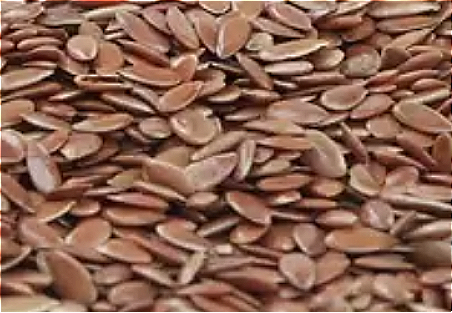
Fruit: The fruit is a small, dry capsule that contains numerous seeds. The seeds are small, flattened, and can be brown, golden, or grayish in color.
Chemical Composition and Structure:
- Omega-3 Fatty Acids: Flax seeds are a rich source of alpha-linolenic acid (ALA), a type of omega-3 fatty acid beneficial for cardiovascular health.
- Lignans: Flax seeds contain lignans, which are phytoestrogens with antioxidant properties. They may help support hormonal balance and reduce cancer risk.
- Fiber: The seeds are high in soluble and insoluble fiber, which supports digestive health.
- Proteins: Flax seeds contain proteins with essential amino acids, which are important for overall health.
- Vitamins and Minerals: Flax seeds are rich in vitamins such as B-vitamins and minerals like magnesium, phosphorus, and manganese.
How to Cultivate It:
Soil: Flax grows best in well-drained, loamy soil with a pH between 6.0 and 7.0. It prefers fertile soil but can tolerate less fertile conditions.
Climate: Flax thrives in temperate climates with moderate rainfall. It requires full sun for optimal growth.
Watering: Regular watering is necessary, especially during dry periods. The soil should be kept consistently moist but not waterlogged.
Propagation: Flax is typically propagated from seeds, which are sown directly into the soil in early spring. Seeds should be planted about 1 to 2 cm deep and spaced 15 to 30 cm apart.
Maintenance: Flax requires minimal maintenance. Weeding is important to reduce competition, and occasional fertilization may be needed to ensure healthy growth.
Uses and Benefits:
- Nutritional Uses: Flax seeds are used as a dietary supplement due to their high content of omega-3 fatty acids, fiber, and lignans. They can be added to smoothies, cereals, and baked goods.
- Industrial Uses: The fibers from flax are used to make linen fabric, which is known for its durability, breathability, and natural luster. Flaxseed oil is also used in paints, varnishes, and as a food ingredient.
- Medicinal Uses: Flax seeds are used in traditional medicine to support digestive health, manage cholesterol levels, and reduce inflammation. Flaxseed oil is also used for its potential benefits in skin care.
Applications:
- Nutrition: Flax seeds and flaxseed oil are commonly used in health foods and supplements. They are incorporated into various products for their nutritional benefits.
- Textiles: Linen, derived from flax fibers, is used in clothing, household textiles, and upholstery due to its strength and natural properties.
- Industrial: Flaxseed oil is utilized in the production of paints, coatings, and as a drying agent in varnishes.
- Cosmetics. - INCI Functions:
- Perfuming. Unlike fragrance, which can also contain slightly less pleasant or characteristic odours, the term perfume indicates only very pleasant fragrances. Used for perfumes and aromatic raw materials.
- Skin conditioning agent. It is the mainstay of topical skin treatment as it has the function of restoring, increasing or improving skin tolerance to external factors, including melanocyte tolerance. The most important function of the conditioning agent is to prevent skin dehydration, but the subject is rather complex and involves emollients and humectants that can be added in the formulation.
Environmental and Safety Considerations:
- Environmental Impact: Flax is considered an environmentally friendly crop. It requires fewer chemical inputs compared to some other crops and contributes to soil health through its root system.
- Safety: Flax seeds and flaxseed oil are generally safe for consumption. However, excessive intake may lead to gastrointestinal issues. Individuals with specific health conditions or those taking medications should consult a healthcare provider before incorporating large amounts of flax into their diet.
Studies
In the seeds there are interesting antioxidant components such as the phenylpropanoid compounds, vanillic acid, vanillin, coumaric acid, ferulic acid and are the richest source of alpha-linolenic acid as well as an excellent source of dietary fibers.
The flax stem is the main source of cellulose-rich fibres used by the textile industry for the production of bed linen. Its seed oil (linseed) is beneficial for human health due to the presence of a high amount of omega-3 fatty acids. In addition, linseed oil is used in the preparation of many industrial solvents (1).
Flax contains about 34% oil and a high content of α-linolenic acid (> 50%) makes it a common feed ingredient for the enrichment of n-3 fatty acid (2).
It also contains mucilosis polysaccharides (neutral polysaccharides and acids composed mainly of galacturonic acid) (3).
One of the most common diseases of the flax plant is the fungal disease caused by Fusarium oxysporum (4).

