



Verbascum thapsus
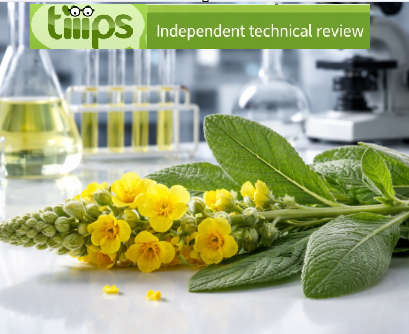
Verbascum thapsus, known as Great mullein , is a biennial herbaceous species in the Scrophulariaceae family (sometimes treated in broader literature within “Scrophulariaceae sensu lato”). It is widespread across Eurasia and widely naturalised in many temperate regions. It is easily recognised by the woolly basal rosette in the first year and the upright flowering spike in the second year, with yellow flowers opening progressively along the axis.
Botanical classification
Kingdom: plantae
Order: lamiales
Family: scrophulariaceae
Genus: verbascum
Species: verbascum thapsus
Plant characteristics
Life cycle: biennial; first year with a basal rosette, second year with a flowering stem and seed production.
Habit and size: erect stem with a spike-like inflorescence, often tall and visually dominant over surrounding vegetation.
Leaves: large and densely tomentose (woolly); the thick hair layer reduces transpiration and limits sun stress; velvety to the touch.
Flowers: small, yellow, densely arranged along the spike; flowering progresses “in waves” upward.
Fruits and seeds: capsule with numerous tiny seeds; the species can self-seed readily on disturbed soils.
Ecology: prefers open, dry habitats, roadsides, slopes, and poor, well-drained substrates.
Chemical composition and structure
Composition varies by plant part (flowers, leaves, seeds) and by preparation (infusion, hydroalcoholic extract, essential oil). Below are the main classes with representative molecules reported in technical-scientific sources.
Mucilages and polysaccharides (especially in the flowers): polysaccharides described as arabinogalactan and xyloglucan, consistent with a demulcent/emollient effect on mucous membranes.
Triterpenoid saponins (oleanane-type) and related triterpenes: oleanane-type saponins are reported; for V. thapsus and closely related species, names such as thapsuine A, thapsuine B, hydroxythapsuine A, and hydroxythapsuine B occur in the literature; associated triterpenes include oleanolic acid (and, in broader Verbascum literature, also ursolic acid).
Iridoids (iridoid glycosides): commonly cited iridoids include aucubin and catalpol; phytochemical reviews on the genus also report harpagoside and harpagide as recurring iridoids.
Phenylethanoids and other phenolic glycosides: verbascoside (also known as acteoside) is a key reference phenylethanoid frequently reported for the genus.
Flavonoids (flowers and leaves; aglycones and glycosides): flower constituents reported include 6-hydroxyluteolin 7-glucoside, 3’-methylquercetin, and 7,4’-dihydroxyflavone 4’-rhamnoside; in the broader “verbasci flos” context, aglycones such as apigenin and luteolin are also cited; genus-level reviews often mention quercetin and kaempferol (with glycosylation frequently at C-7).
Phytosterols and other lipophilic constituents: β-sitosterol and ergosterol peroxide have been reported among identified components in pharmacognosy studies.
Essential oil and volatile fraction (generally minor compared with non-volatile constituents): GC–MS analyses of essential oil from dried flowering aerial parts have reported major constituents such as 6,10,14-trimethyl-2-pentadecanone and (E)-phytol; overall, volatiles are not the main driver of traditional use compared with mucilages, saponins, and polyphenols.
Uses and benefits
Herbal tradition (oral use): the flowers are commonly used as an infusion for symptomatic support in upper respiratory tract irritation, particularly cough and “cold-like” conditions; mucilages contribute to a soothing effect on mucosa.
Traditional topical use: local preparations (compresses/decoctions) are reported in ethnobotanical sources for skin irritations and local discomfort, with a rationale linked to the polyphenolic phytocomplex.
Technical note: the quality of the herbal drug (especially “verbasci flos”) is often linked to parameters such as swelling index, consistent with mucilage content.
Applications
Herbal practice and traditional preparations: flower infusions; mixed formulations for throat and cough in traditional contexts.
Phytochemical research: isolation and characterisation of flavonoids, iridoids, and saponins; in vitro biological screening of specific metabolites reported for the genus.
Ornamental/naturalistic use: sometimes included in dry or naturalistic gardens, but more often occurs spontaneously on disturbed soils.
Cosmetic and Personal Care Applications
Soothing: Provides a calming effect on irritated and inflamed skin.
Anti-inflammatory: Helps to reduce redness, swelling, and discomfort associated with skin conditions.
Antimicrobial: Protects the skin from harmful microorganisms and helps prevent infections.
Astringent: Tightens and tones the skin, making it appear firmer and smoother.
Moisturizing: The mucilage content helps to retain moisture in the skin, providing hydration and protection.
Cosmetics - INCI Functions
Skin conditioning agent. It is the mainstay of topical skin treatment as it has the function of restoring, increasing or improving skin tolerance to external factors, including melanocyte tolerance. The most important function of the conditioning agent is to prevent skin dehydration, but the subject is rather complex and involves emollients and humectants that can be added in the formulation.
CAS: 90064-13-4 EC number 290-074-2
Cultivation
Exposure and soil: prefers full sun and poor, neutral-to-alkaline, very well-drained soils; tolerant of dry conditions.
Biennial cycle: support rosette development in the first year; the flowering spike forms in the second year.
Propagation: mainly by seed; it readily self-seeds, so spent inflorescences can be managed at the end of the cycle to limit spread.
Environmental and safety considerations
Environmental impact: may become abundant in disturbed open habitats; in some regions it is considered invasive/naturalising, largely due to high seed production.
Safety of use (preparations): for traditional flower-based preparations, European regulatory assessments frame use as traditional; clinical caution is indicated in the presence of significant symptoms (e.g., shortness of breath, fever, or purulent sputum), and non-clinical safety datasets may be limited.
Tolerability: plant hairs and dust can cause mechanical irritation in sensitive individuals; in teas, careful filtration is commonly recommended to reduce irritant particulates.
Traditional note on seeds: seeds are historically cited for an ichthyotoxic effect attributed to saponins; this is a historical/toxicological note rather than a recommended domestic use.
Verbascum Thapsus is generally considered safe for use in cosmetic and personal care products when used within recommended concentrations. It is biodegradable and environmentally friendly. Sustainable harvesting practices are important to ensure the preservation of this herb and its natural habitats.

