



Cucumis sativus, comunemente noto come cetriolo, è una pianta appartenente alla famiglia delle Cucurbitaceae. L'estratto di Cucumis sativus è utilizzato in cosmetici e prodotti per la cura della pelle per le sue proprietà idratanti, lenitive e rinfrescanti.
Composizione chimica e struttura
L'estratto di Cucumis sativus contiene una varietà di composti bioattivi, tra cui:
Vitamine: Contiene vitamine come la vitamina C e il gruppo delle vitamine B, che svolgono ruoli essenziali nel mantenimento della salute della pelle.
Minerali: È ricco di minerali come potassio e silice, che supportano la salute della pelle e la sua elasticità.
Fitochimici: Include flavonoidi, polifenoli e altri antiossidanti che contribuiscono alle sue proprietà protettive e anti-infiammatorie.
Acqua: Composto principalmente da acqua, il cetriolo è noto per le sue proprietà idratanti.
La struttura chimica degli estratti di Cucumis sativus varia a seconda dei composti specifici, ma generalmente include molecole che contribuiscono alle sue proprietà lenitive e idratanti.
Proprietà fisiche
L'estratto di Cucumis sativus si presenta come un liquido chiaro o leggermente opalescente, con un odore fresco e vegetale. È altamente solubile in acqua e ha un pH che generalmente è compatibile con quello della pelle, rendendolo adatto per l'uso in prodotti per la cura della pelle.
Processo di produzione
Il processo di produzione dell'estratto di Cucumis sativus include i seguenti passaggi:
- Coltivazione e raccolta: I cetrioli vengono coltivati e raccolti al momento ottimale di maturazione per garantire la massima concentrazione di nutrienti e principi attivi.
- Preparazione: I cetrioli vengono puliti e preparati per l'estrazione. Questo può includere la rimozione della buccia e il taglio in pezzi più piccoli.
- Estrazione: L'estrazione dei principi attivi può avvenire tramite metodi come l'estrazione con acqua, l'estrazione a freddo o l'uso di solventi naturali. L'estrazione a freddo è spesso preferita per preservare le proprietà sensibili al calore.
- Purificazione: L'estratto viene purificato per rimuovere impurità e componenti non desiderati. Questo può includere filtrazione, centrifugazione e altre tecniche per ottenere un prodotto puro e concentrato.
- Formulazione: L'estratto purificato viene incorporato in varie formulazioni cosmetiche, come creme, lozioni, maschere e sieri. Può essere combinato con altri ingredienti per migliorare le sue proprietà e l'efficacia.
- Controllo qualità: Il prodotto finale subisce test di controllo qualità per garantire che soddisfi gli standard di sicurezza, efficacia e prestazione. Questo include verifiche sulla purezza, stabilità e compatibilità con altri ingredienti.
- Conservazione: L'estratto di Cucumis sativus viene conservato in contenitori ermetici, protetto da luce, umidità e calore, per mantenere la sua stabilità ed efficacia.
Applicazioni
Mediche: L'estratto di Cucumis sativus può essere utilizzato in preparati farmaceutici per le sue proprietà idratanti e lenitive. È impiegato in trattamenti per la pelle irritata e per migliorare l'elasticità cutanea.
Cosmetiche: In cosmetica, l'estratto di Cucumis sativus è apprezzato per le sue proprietà idratanti e rinfrescanti. È utilizzato in creme, lozioni, sieri e maschere per migliorare l'idratazione della pelle, lenire le irritazioni e conferire una sensazione di freschezza.
Altro: Può essere incorporato in altri prodotti per la cura personale, come tonici e scrub, per sfruttare le sue proprietà idratanti e lenitive.
Cosmetica - Funzioni INCI
Agente condizionante della pelle. Rappresenta il perno del trattamento topico della pelle in quanto ha la funzione di ripristinare, aumentare o migliorare la tolleranza cutanea a fattori esterni, compresa la tolleranza dei melanociti. La funzione più importante dell'agente condizionante è prevenire la disidratazione della pelle, ma il tema è piuttosto complesso e coinvolge emollienti ed umettanti che possono essere aggiunti nella formulazione.
Considerazioni ambientali e di sicurezza
L'estratto di Cucumis sativus è generalmente considerato sicuro per l'uso in cosmetici e farmaci quando utilizzato secondo le linee guida raccomandate. È un ingrediente naturale con un basso rischio di irritazione o reazioni allergiche. Dal punto di vista ambientale, la produzione di estratti di cetriolo è relativamente sostenibile, soprattutto se si utilizzano pratiche agricole responsabili. È importante assicurarsi che i processi di produzione seguano pratiche sostenibili per minimizzare l'impatto ambientale.
Il cetriolo (Cucumis sativus) è uno dei vegetali utilizzati per l'alimentazione umana più diffusi in tutto il mondo.
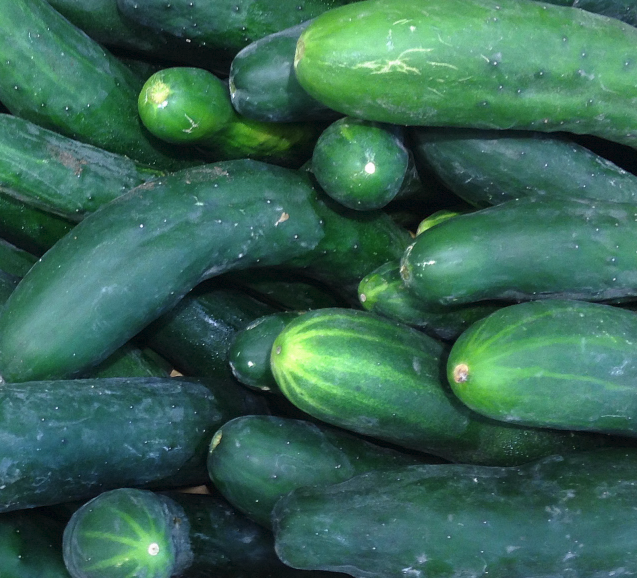
Appartiene alla famiglia delle Cucurbitaceae, come il melone e la zucca.
Recenti studi hanno attribuito al cetriolo proprietà nutraceutiche, per il suo discreto contenuto di minerali, fibre e vitamine.
E' composto da:
- acqua 95%
- carboidrati 3,6%
- proteine 0,65%
nutraceutici (1):
- Vitamina C 8mg/100g
- Vitamina E 0,16mg/100g
- Retinol 28ug/100g
- Vitamina B9 15ug/100g
- Flavonoidi
A cosa serve e dove si usa
Medicina
Questo studio attribuisce al cetriolo l'efficacia di ridurre il dolore in una moderata osteoartrite (2). La medicina tradizionale lo utilizzava per curare iperlipidemia, stitichezza, male di testa. Ha proprietà antinfiammatorie e antiossidanti (3) e il succo di frutta di questa pianta è utilizzato come nutriente come emolliente nelle lozioni anti-acne. E' stato studiato in alcuni modelli animali dove sono stati osservati effetti anti-iperglicemici (4).
Cosmetica
L'estratto acquoso del cetriolo ha dimostrato proprietà rinfrescanti che leniscono la pelle irritata e riducono il gonfiore (5)
Per approfondimenti:

