



Ethyl Oleate is a chemical compound, an ester of ethanol and oleic acid, commonly used in various industrial, pharmaceutical, and cosmetic applications. It is valued for its excellent solubilizing properties, skin conditioning abilities, and as a medium for drug delivery.
Chemical Composition and Structure
Ethyl Oleate is an ester formed from the reaction of ethanol and oleic acid, a monounsaturated fatty acid found in vegetable oils. The chemical formula for Ethyl Oleate is C20H38O2. The chemical structure consists of an oleic acid chain esterified with an ethyl group, giving it lipophilic properties and good solubility in oils and organic solvents.
Physical Properties
Ethyl Oleate typically appears as a clear, colorless to slightly yellowish liquid. It is soluble in oils and organic solvents but insoluble in water. It is known for its low viscosity and ability to easily penetrate the skin, making it a valuable ingredient in topical formulations.
Production Process
The production of Ethyl Oleate involves the esterification reaction between oleic acid and ethanol. The process requires controlled temperature conditions and the presence of an acid catalyst to facilitate the formation of the ester. The final product is purified to remove any impurities, ensuring high quality.
Chemical Industrial Synthesis Process
- Preparation of reagents. The main raw materials include oleic acid and ethanol.
- Esterification. The oleic acid is mixed with ethanol in the presence of an acidic catalyst, such as sulfuric acid (H₂SO₄) or p-toluenesulfonic acid.
- Heating. The mixture is heated to a controlled temperature (approximately 60-70°C) to initiate the esterification reaction. This process produces ethyl oleate and water.
- Removal of water. The water produced during the reaction is removed through azeotropic distillation or by using a drying agent, such as anhydrous sodium sulfate.
- Cooling. The reaction mixture is cooled to room temperature.
- Neutralization. The mixture is neutralized by adding a base, such as sodium hydroxide (NaOH), to neutralize excess acidic catalyst.
- Separation. The mixture is transferred to a separatory funnel to remove the aqueous and oily phases.
- Washing. The ethyl oleate is washed with deionized water to remove any soluble impurities.
- Drying. The washed ethyl oleate is dried using a drying agent, such as anhydrous sodium sulfate, to remove residual moisture.
- Filtration. The solution is filtered to remove any solid impurities.
- Distillation. The ethyl oleate is purified through vacuum distillation to remove any volatile impurities.
- Quality control. The ethyl oleate undergoes rigorous quality testing to ensure it meets standards for purity and safety. These tests include chemical analysis and spectroscopy.
What it is used for and where
Cosmetics - INCI Functions
Skin conditioning agent - Emollient. Emollients have the characteristic of enhancing the skin barrier through a source of exogenous lipids that adhere to the skin, improving barrier properties by filling gaps in intercorneocyte clusters to improve hydration while protecting against inflammation. In practice, they have the ability to create a barrier that prevents transepidermal water loss. Emollients are described as degreasing or refreshing additives that improve the lipid content of the upper layers of the skin by preventing degreasing and drying of the skin. The problem with emollients is that many have a strong lipophilic character and are identified as occlusive ingredients; they are oily and fatty materials that remain on the skin surface and reduce transepidermal water loss. In cosmetics, emollients and moisturisers are often considered synonymous with humectants and occlusives.
Perfuming. Unlike fragrance, which can also contain slightly less pleasant or characteristic odours, the term perfume indicates only very pleasant fragrances. Used for perfumes and aromatic raw materials.
Industrial Applications
Drug Delivery Vehicle: Ethyl Oleate is used as a vehicle for drug delivery, particularly in injectable formulations. Its ability to dissolve a wide range of medicinal compounds and penetrate tissues makes it ideal for this purpose (1).
Skin Care: In skin care products, Ethyl Oleate acts as an emollient and conditioning agent, improving skin elasticity and hydration. It is commonly used in lotions, creams, and massage oils for its ability to enhance product texture and facilitate absorption.
Hair Care: It is also present in some hair care products, such as oils and conditioning treatments, where it helps nourish and soften the hair without leaving it greasy.
Food Industry: Although primarily used in cosmetics and pharmaceuticals, Ethyl Oleate can be used as a food additive (2), mainly as a coating agent or a component in food-grade lubricants.
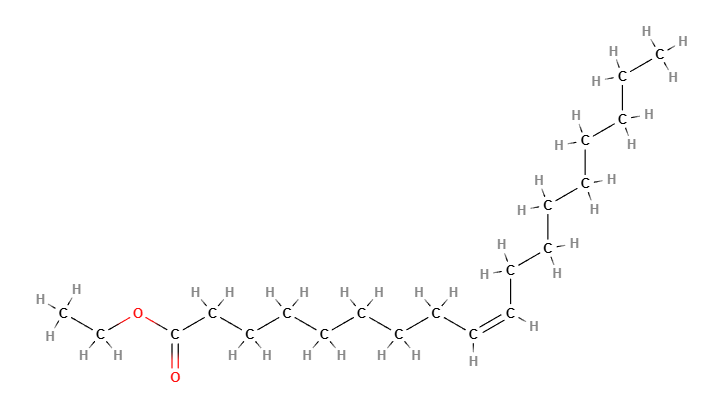 | 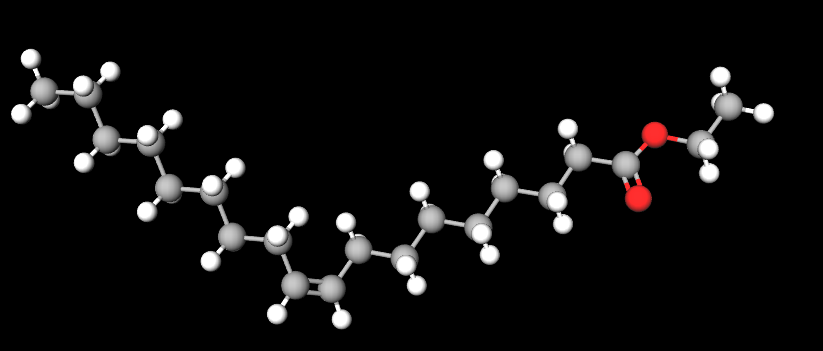 |
Molecular Formula C20H38O2
Molecular Weight 310.5 g/mol
CAS 111-62-6
UNII Z2Z439864Y
EC Number 203-889-5
Synonyms:
Ethyl cis-9-octadecenoate

