



Cochineal Carmine (CI 75470) is a chemical compound, a synthetic red dye and is known as Natural Red 4, E120.
It may be produced naturally by the female cochineal (Dactylopius coccus) (1) from its body or from eggs, or by chemical synthesis and is the most commonly observed case in food.
Chemical Name
3,5,6,8-tetrahydroxy-1-methyl-9,10-dioxo-7-[(2S,3R,4R,5S,6R)-3,4,5-trihydroxy-6-(hydroxymethyl)oxan-2-yl]anthracene-2-carboxylic acid
Industrial Production Process
- Preparation of reagents. The main raw materials include carmine (obtained from the cochineal insect) and solvents such as water or alcohol.
- Harvesting and cleaning. The cochineal insects are harvested and cleaned to remove impurities and debris.
- Drying. The cleaned insects are dried at controlled temperatures to reduce moisture content and facilitate colorant extraction.
- Grinding. The dried insects are ground into a fine powder to increase the contact surface area for extraction.
- Extraction. The cochineal powder is treated with a suitable solvent (water or alcohol) to extract the carmine. Extraction can be done through maceration, infusion, or solvent extraction.
- Filtration. The extracted mixture is filtered to remove solid residues and obtain a clear solution containing carmine.
- Concentration. The coloring solution is concentrated through vacuum evaporation to reduce the volume and increase the concentration of carmine.
- Purification. The concentrated solution may be further purified using techniques such as chromatography to remove unwanted impurities and improve color quality.
- Crystallization. The purified carmine is crystallized to obtain a high-purity product.
- Stabilization. The crystallized carmine is stabilized with antioxidants like BHT (butylated hydroxytoluene) to prevent oxidation and maintain color stability during transportation and storage.
- Drying. The purified product is dried at controlled temperatures to obtain a fine carmine powder.
- Quality control. The CI 75470 undergoes rigorous quality testing to ensure it meets standards for purity, color intensity, and safety. These tests include chemical analysis, spectroscopy, and microbiological testing.
What it is used for and where
Cosmetics
estricted cosmetic ingredient as IV/115 a Relevant Item in the Annexes of the European Cosmetics Regulation 1223/2009. Substance or ingredient reported:
- Carmines. Wording of conditions of use and warnings: Purity criteria as set out in Commission Directive 95/45/EC (E 120)
Cosmetics - INCI Functions
Colorant. This ingredient has the function of colouring the solution in which it is inserted in a temporary, semi-permanent or permanent manner, either alone or in the presence of the complementary components added for colouring.
Fragrance. It plays a very important role in the formulation of cosmetic products as it provides the possibility of enhancing, masking or adding fragrance to the final product, increasing its marketability. It is able to create a perceptible pleasant odour, masking a bad smell. The consumer always expects to find a pleasant or distinctive scent in a cosmetic product.
Safety
There are contraindications for health related to the use of this additive.
In particular allergies were found (2) and the Council of Europe recommended a containment of the protein level in E120 (3) with purification systems (4).
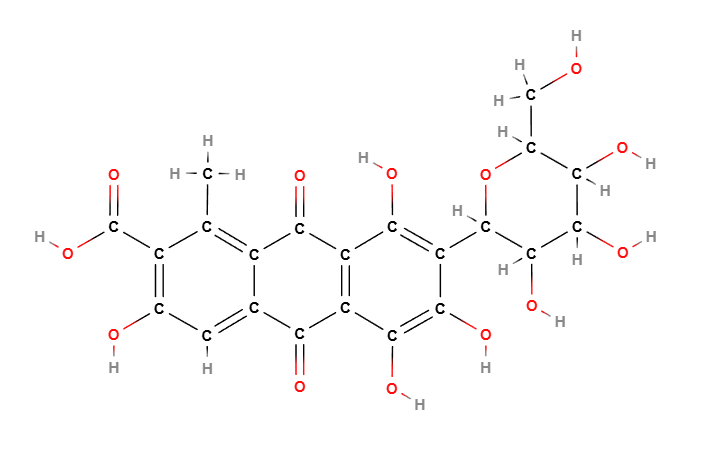 | 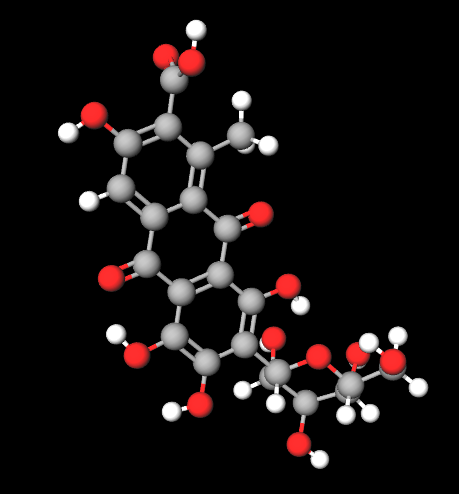 |
Formula molecolare: C22H20O13
Peso molecolare: 492.389 g/mol
CAS: 1343-78-8
EC Number: 215-724-4
FEMA Number: 2242
UNII CID8Z8N95N
DTXSID20859613
Synonyms:
E120
Cochineal Carmine
Natural Red 4
CI 75470

