



Solvent Green 3, also known as CI 61565,D & C Green No. 6 is a synthetic dye from the anthraquinone family. It is primarily used for coloring a wide range of industrial and cosmetic products, including soaps, detergents, waxes, and some cosmetics. Its vibrant green hue is utilized to enhance the visual appeal of products. However, its use is restricted in certain sectors due to safety concerns.
Chemical Composition and Structure
It is an organic compound with the chemical structure 1,4-di-p-toluidinoanthraquinone. This structure classifies it as a substituted anthraquinone, with amino and methyl groups contributing to its intense green color. Anthraquinones are known for their high stability and lightfastness, making them suitable for coloring applications.
Physical Properties
It appears as a crystalline green powder. It is soluble in organic solvents but insoluble in water. Due to its chemical stability, it retains its color even under harsh conditions such as high temperatures and light exposure.
Chemical Name
1,4-bis(4-methylanilino)anthracene-9,10-dione
Production Process
Solvent Green 3 is synthesized through complex chemical processes involving the reaction of anthraquinone with amino and methyl compounds. The production requires precise control of conditions to achieve the desired purity and stability of the dye.
- Preparation of reagents. The main raw materials include phthalic anhydride, benzene, and concentrated sulfuric acid.
- Synthesis of anthraquinone intermediate. The production begins with the condensation of phthalic anhydride with benzene in the presence of concentrated sulfuric acid, forming the anthraquinone intermediate.
- Substitution. The anthraquinone is further treated with specific reagents to introduce functional groups that impart the desired color. This may include sulfonation, nitration, or other substitution reactions.
- Oxidation. The functionalized structure undergoes an oxidation reaction to complete the formation of the anthraquinone chromophore, which is responsible for the coloring properties of Solvent Green 3.
- Purification. The crude product is purified using techniques such as crystallization, filtration, and chromatography to remove impurities and achieve a high-purity colorant.
- Stabilization. The purified product is stabilized to ensure its stability during transportation and storage, preventing degradation and oxidation.
- Quality control. The Solvent Green 3 undergoes rigorous quality testing to ensure it meets standards for purity, color intensity, and safety. These tests include chemical analysis, spectroscopy, and microbiological testing.
Applications
Cosmetic Industry: Used in some cosmetics, skincare products, and detergents to provide an intense green color.
Soaps and Detergents: Applied in the coloring of solid and liquid soaps, cleaning agents, and personal care products.
Waxes and Industrial Products: Also employed for coloring waxes, plastics, and other industrial products.
Cosmetic safety
Restricted cosmetic ingredient as IV/91 (CI 61565) II/1364 (Solvent Green 3; CI 61565) when used as a substance in hair dye products. a Relevant Item in the Annexes of the European Cosmetics Regulation 1223/2009. Substance or ingredient reported:
- 1,4-bis(p-Tolylamino)anthraquinone
Cosmetics - INCI Functions
Colorant. This ingredient has the function of colouring the solution in which it is inserted in a temporary, semi-permanent or permanent manner, either alone or in the presence of the complementary components added for colouring.
Safety
It’s forbidden to use in hair coloring products.
Safety in Use
The use of Solvent Green 3 is subject to strict regulations in some countries due to concerns regarding its safety. While approved in certain applications, its use in cosmetic products is limited in some regions due to potential toxicity risks.
Allergic Reactions
Allergic reactions are rare but possible. Some individuals, especially those with sensitive skin, may experience irritation or allergic reactions, particularly if used in high concentrations or in products with prolonged skin contact.
Toxicity and Carcinogenicity
There are concerns about the potential toxicity and carcinogenicity of Solvent Green 3. Some studies suggest that prolonged exposure or use in high concentrations may have harmful health effects. As a result, its use is regulated or restricted in various countries, particularly in products intended for personal use.
Environmental Considerations
As a synthetic dye, it can pose environmental risks if not disposed of properly. It can accumulate in aquatic ecosystems and may be toxic to marine life. The biodegradability of the dye is limited.
Regulatory Status
It is regulated in various countries. In some regions,
its use is allowed only in certain industrial or non-skin-contact cosmetic applications, while in other areas it is subject to stricter restrictions.
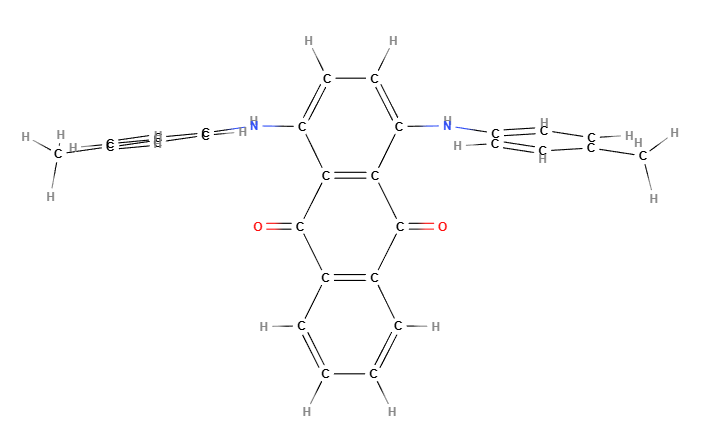 | 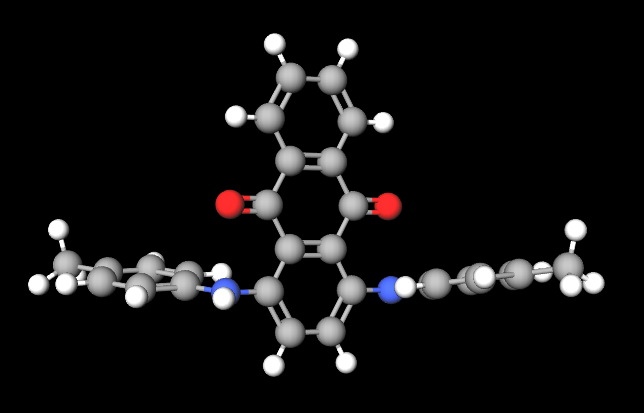 |
Molecular Formula C28H22N2O2
Molecular Weight 418.5 g/mol
CAS 128-80-3
EC number 204-909-5
UNII 4QP5U84YF7
DTXSID9044376
Synonyms:
Solvent Green 3.
D & C GREEN NO. 6
DC GREEN NO. 6
Quinizarin Green SS
Waxoline Green G
Arlosol Green B

