



Ectoine is a naturally derived chemical compound, specifically a heterocyclic carboxamidine formed by the formal condensation of (2S)-2,4-diaminobutanoic acid with acetic acid. It occurs naturally in the bacterium Halomonas elongata, the mesophilic bacterium Methylophaga thalassica, the antifungal bacterium Streptomyces nodosus, and other organisms.
Industrial Production Process
- Cultivation of extremophilic bacteria. Halomonas elongata bacteria, which naturally produce ectoine, are cultivated under controlled saline conditions to stimulate its synthesis.
- Fermentation. The bacteria are placed in fermenters, where they grow and synthesize ectoine. Salt concentration, temperature, and other parameters are adjusted to optimize production.
- Cell lysis. After fermentation, the bacterial cells are broken down to release ectoine into the surrounding medium.
- Initial purification. The fermentation mixture is filtered to remove cell debris and other solid impurities.
- Extraction and concentration. Ectoine is extracted via chromatography or other separation techniques, and the solution is concentrated to increase purity.
- Crystallization. The concentrated solution is cooled to crystallize ectoine. The formed crystals are collected for further purification.
- Final purification. The crystals are further purified through washing and recrystallization to ensure a high degree of purity.
- Quality control. The final product undergoes rigorous testing to verify purity, identity, and compliance with standards.
What it is used for and where
Ectoine is an active ingredient found in cosmetic formulations due to its ability to retain moisture and protect the skin from external stressors. It helps prevent dehydration and maintain the integrity of the skin barrier, reducing signs of aging and providing relief to sensitive skin. It is often used in moisturizing creams, serums, and after-sun products for its soothing and regenerative effects.
Cosmetics - INCI Functions
- Skin conditioning agent. It is the mainstay of topical skin treatment as it has the function of restoring, increasing or improving skin tolerance to external factors, including melanocyte tolerance. The most important function of the conditioning agent is to prevent skin dehydration, but the subject is rather complex and involves emollients and humectants that can be added in the formulation.
Cosmetic Applications
Moisturizing Properties. Ectoin helps keep the skin hydrated by attracting and retaining moisture, improving elasticity and reducing dryness.
Protective Effect. Creates a barrier on the skin that shields it from external agents, such as pollutants and UV radiation, helping prevent environmental damage.
Inflammation Reduction. It has anti-inflammatory properties that reduce skin irritation and redness, making it ideal for sensitive or damaged skin.
Regenerative Effects. It supports skin regeneration, speeding up the healing process of wounds and improving the appearance of scars and blemishes.
Versatile Applications. It can be incorporated into various cosmetic products, such as creams, lotions, and serums, for its moisturizing and protective benefits.
Medicine
Dermatology. Ectoin has demonstrated anti-aging activity that prevents DNA hypermethylation and subsequently activates genes that can suppress cancer (1).
Saline Solution. Ectoin is used in saline solutions to reduce nasal mucosal inflammation and relieve allergy and cold symptoms (2).
Pharmaceutical Industry. Used as a protective ingredient in pharmaceutical formulations to improve the stability and effectiveness of medications.
Ophthalmic Products. Used in eye drops and eye care products to relieve dry eyes and prevent inflammation.
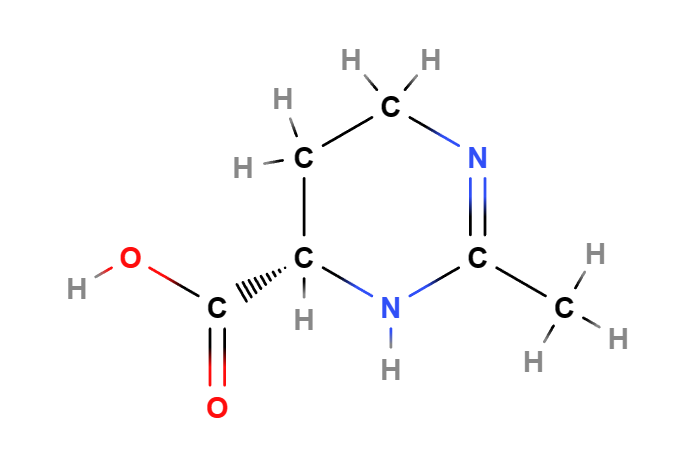 | 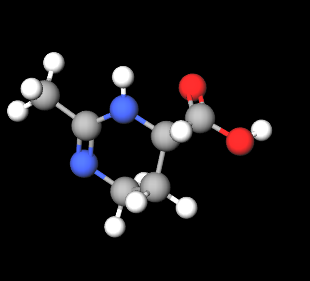 |
Molecular Formula C6H10N2O2
Molecular Weight 142.16 g/mol
CAS 96702-03-3
UNII 7GXZ3858RY
EC Number 431-910-1
Synonyms:
Ectoine
L-Ectoine

