



Origanum Majorana Flower/Leaf/Stem Oil is a compound of natural origin that comes from the marjoram plant, an aromatic herb used in both cooking and traditional medicine.
Industrial Production Process
- Harvesting of the entire Origanum majorana plant. Flowers, leaves, and stems are harvested together at the optimal time, usually just before or during flowering, to maximize the yield of essential oils.
- Drying of the harvested material. The entire plant is gently dried, if necessary, to reduce moisture while preserving the volatile essential oils.
- Steam distillation. The dried material undergoes steam distillation. Hot steam extracts the essential oils from the entire plant and carries them to the condenser.
- Separation. After condensation, the essential oils separate from the distillation water due to their lower density, allowing for easy collection.
- Purification. The collected oils are further purified through methods such as fractional distillation or filtration to remove impurities and enhance the quality of the final oil.
What it is used for and where
Cosmetics - INCI Functions
Fragrance. It plays a very important role in the formulation of cosmetic products as it provides the possibility of enhancing, masking or adding fragrance to the final product, increasing its marketability. It is able to create a perceptible pleasant odour, masking a bad smell. The consumer always expects to find a pleasant or distinctive scent in a cosmetic product.
Skin conditioning agent. It is the mainstay of topical skin treatment as it has the function of restoring, increasing or improving skin tolerance to external factors, including melanocyte tolerance. The most important function of the conditioning agent is to prevent skin dehydration, but the subject is rather complex and involves emollients and humectants that can be added in the formulation.
Flavoring agent. The purpose of this ingredient is to modify the solution to impart a certain flavour. Natural flavouring extracts are rather expensive, so the cosmetic and pharmaceutical industries resort to synthesised substances that have sensory characteristics mostly similar to natural flavourings or are naturally equivalent. This ingredient is isolated through chemical processes or is synthesised from chemicals. It is also referred to as Aroma.
CAS 84082-58-6
EC number 282-004-4
___________________
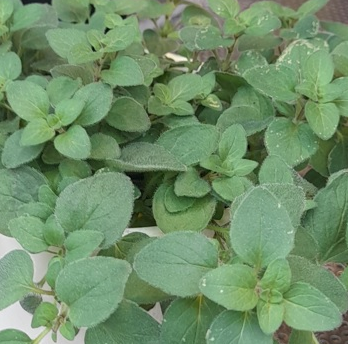
Marjoram (Origanum majorana L.) is an herb of the mint family, belonging to the Labiatae family commonly used in culinary and medicinal applications. It has a sweeter flavor than its relative oregano and is used in a variety of dishes, especially those of Mediterranean cuisine.
What it is used for and where
Food
Marjoram is widely used to enhance the flavor of soups, sauces, salads, and meat dishes. Its sweet, aromatic qualities make it a favorite among chefs and home cooks alike.
Medical
Traditionally, marjoram has been used to aid digestion and relieve symptoms of the common cold and flu. It is also thought to have anti-inflammatory and antimicrobial properties, which can help support overall health. It is high in antioxidants (1), which help combat oxidative stress and may reduce the risk of chronic diseases (2).
Phytochemical analysis detected phenolic acids such as vanillic acid, gallic acid, ferulic acid, caffeic acid, syringic acid, p- and m-hydroxybenzoic acid, coumaric acid, neochlorogenic acid, protocatechuic acid, chlorogenic acid, and kaftaric acid (3).
Cosmetics - INCI Functions
Fragrance. It plays a very important role in the formulation of cosmetic products as it provides the possibility of enhancing, masking or adding fragrance to the final product, increasing its marketability. It is able to create a perceptible pleasant odour, masking a bad smell. The consumer always expects to find a pleasant or distinctive scent in a cosmetic product.
Refreshing. This ingredient is included in cosmetic products to provide a refreshing or toning sensation to the skin and can also help relieve irritation or redness.
Uses of Marjoram
Oils. Marjoram essential oil is used in aromatherapy to relieve stress and anxiety, and topically to relieve muscle and joint pain.
Herbalism. Dried marjoram leaves are used in herbal teas and preparations to support digestive health and relieve respiratory conditions.
Safety
Allergic reactions. Like many herbs, some people may be allergic to marjoram, experiencing symptoms such as rashes or respiratory problems.
Pregnancy and lactation. Marjoram in medicinal amounts may not be safe during pregnancy as it could potentially affect hormone levels and uterine stability. It is recommended to stick to dietary amounts during these periods.
Interactions. It may interact with some medications, especially those that affect blood clotting, such as anticoagulants. It is important to consult a health care provider if you are on medication and want to use marjoram for medicinal purposes.

