



Origanum Majorana Leaf Extract is a compound of natural origin that comes from the marjoram plant, an aromatic herb used in both cooking and traditional medicine.
Industrial Production Process
- Harvesting. Leaves are collected manually or mechanically at the peak of their maturation to maximize the content of essential oils and active ingredients.
- Drying. The collected leaves are dried using industrial dryers or air drying. This step is crucial to prevent degradation of heat-sensitive components and reduce microbiological development risks.
- Grinding. Industrial grinders are used to turn the leaves into fine powder. This enhances the efficiency of oil and extract extraction.
- Extraction. The extract is obtained by percolating solvents like ethanol or water through the marjoram powder. The temperature and percolation time conditions are optimized to maximize extraction.
- Filtration. After extraction, the mixture is filtered to remove unextracted plant material and solid particles.
- Vacuum concentration. The filtrate is concentrated using rotary evaporators or other vacuum evaporators. This step removes most of the solvent, increasing the extract concentration.
- Purification. Methods like column chromatography or distillation are used to further purify the extract, isolating desired components from potential contaminants.
- Drying. The concentrated extract is dried using spray dryers or lyophilizers to eliminate residual solvent, resulting in a fine powder.
What it is used for and where
Cosmetics - INCI Functions
- Anti-sebum. Controls and reduces emissions from the sebaceous glands, which are responsible for greasy, enlarged pores in the skin, where it occurs, particularly on the forehead, cheeks, nose and hair. Adjuvant in the treatment of acne.
- Refreshing. This ingredient is included in cosmetic products to provide a refreshing or toning sensation to the skin and can also help relieve irritation or redness.
- Tonic. This product is used to treat the hair when the scalp is clean or after shampooing. It stimulates hair growth, revitalises the scalp for healthy hair growth and reduces hair loss. It provides a feeling of well-being on skin and hair.
CAS 84082-58-6
EC number 282-004-4
___________________
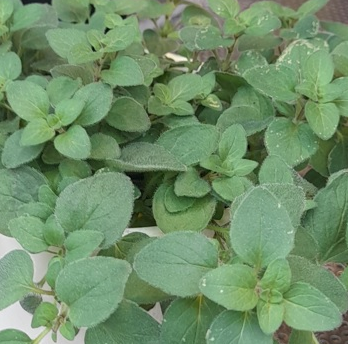
Marjoram (Origanum majorana L.) is an herb of the mint family, belonging to the Labiatae family commonly used in culinary and medicinal applications. It has a sweeter flavor than its relative oregano and is used in a variety of dishes, especially those of Mediterranean cuisine.
What it is used for and where
Food
Marjoram is widely used to enhance the flavor of soups, sauces, salads, and meat dishes. Its sweet, aromatic qualities make it a favorite among chefs and home cooks alike.
Medical
Traditionally, marjoram has been used to aid digestion and relieve symptoms of the common cold and flu. It is also thought to have anti-inflammatory and antimicrobial properties, which can help support overall health. It is high in antioxidants (1), which help combat oxidative stress and may reduce the risk of chronic diseases (2).
Phytochemical analysis detected phenolic acids such as vanillic acid, gallic acid, ferulic acid, caffeic acid, syringic acid, p- and m-hydroxybenzoic acid, coumaric acid, neochlorogenic acid, protocatechuic acid, chlorogenic acid, and kaftaric acid (3).
Cosmetics - INCI Functions
Fragrance. It plays a very important role in the formulation of cosmetic products as it provides the possibility of enhancing, masking or adding fragrance to the final product, increasing its marketability. It is able to create a perceptible pleasant odour, masking a bad smell. The consumer always expects to find a pleasant or distinctive scent in a cosmetic product.
Refreshing. This ingredient is included in cosmetic products to provide a refreshing or toning sensation to the skin and can also help relieve irritation or redness.
Uses of Marjoram
Oils. Marjoram essential oil is used in aromatherapy to relieve stress and anxiety, and topically to relieve muscle and joint pain.
Herbalism. Dried marjoram leaves are used in herbal teas and preparations to support digestive health and relieve respiratory conditions.
Safety
Allergic reactions. Like many herbs, some people may be allergic to marjoram, experiencing symptoms such as rashes or respiratory problems.
Pregnancy and lactation. Marjoram in medicinal amounts may not be safe during pregnancy as it could potentially affect hormone levels and uterine stability. It is recommended to stick to dietary amounts during these periods.
Interactions. It may interact with some medications, especially those that affect blood clotting, such as anticoagulants. It is important to consult a health care provider if you are on medication and want to use marjoram for medicinal purposes.

