Maggiorana (Origanum majorana L.) è un'erba della famiglia della menta, appartenente alla famiglia delle Labiatae comunemente usata in applicazioni culinarie e medicinali. Ha un sapore più dolce rispetto al suo parente origano ed è utilizzata in una varietà di piatti, specialmente quelli della cucina mediterranea.
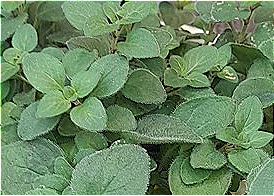
A cosa serve e dove si usa
Alimentazione
La maggiorana è ampiamente utilizzata per migliorare il sapore di zuppe, salse, insalate e piatti di carne. Le sue qualità aromatiche dolci la rendono una favorita tra chef e cuochi casalinghi.
Medicina
Tradizionalmente, la maggiorana è stata utilizzata per aiutare la digestione e alleviare i sintomi del raffreddore e dell'influenza. Si ritiene anche che abbia proprietà antiinfiammatorie e antimicrobiche, che possono aiutare a supportare la salute generale. La maggiorana è ricca di antiossidanti (1), che aiutano a combattere lo stress ossidativo e possono ridurre il rischio di malattie croniche (2). L'analisi fitochimica ha rilevato acidi fenolici quali acido vanillico, acido gallico, acido ferulico, acido caffeico, acido siringico, acido p- e m-idrossibenzoico, acido cumarico, acido neoclorogenico, acido protocatechuico, acido clorogenico, acido caftarico (3).
Cosmetica - Funzioni INCI
Fragranza. Ha un ruolo decisamente importante nella formulazione di prodotti cosmetici in quanto fornisce la possibilità di migliorare, mascherare o aggiungere profumo al prodotto finale aumentandone la commerciabilità. E' in grado di creare un odore gradevole percepibile, mascherare un cattivo odore. Il consumatore si aspetta sempre di trovare un profumo gradevole o particolare in un prodotto cosmetico.
Rinfrescante. Questo ingrediente viene inserito in prodotti cosmetici per conferire una sensazione rinfrescante o tonificante alla pelle e può anche aiutare ad alleviare irritazioni o arrossamenti.
Usi della Maggiorana
Oli. L'olio essenziale di maggiorana è utilizzato nell'aromaterapia per alleviare lo stress e l'ansia, e topicamente per alleviare il dolore muscolare e articolare.
Erboristica. Le foglie di maggiorana essiccate vengono utilizzate in tisane e preparazioni per supportare la salute digestiva e alleviare le condizioni respiratorie.
Sicurezza
Reazioni allergiche. Come molte erbe, alcune persone potrebbero essere allergiche alla maggiorana, sperimentando sintomi come eruzioni cutanee o problemi respiratori.
Gravidanza e allattamento. La maggiorana in quantità medicinali potrebbe non essere sicura durante la gravidanza in quanto potrebbe potenzialmente influenzare i livelli ormonali e la stabilità dell'utero. Si consiglia di attenersi alle quantità alimentari durante questi periodi.
Interazioni. Potrebbe interagire con alcuni farmaci, specialmente quelli che influenzano la coagulazione del sangue, come gli anticoagulanti. È importante consultare il medico se si è in cura con farmaci e si desidera utilizzare la maggiorana per scopi medicinali.
Bibliografia_____________________________________________________________________
(1) Bina F, Rahimi R. Sweet Marjoram: A Review of Ethnopharmacology, Phytochemistry, and Biological Activities. J Evid Based Complementary Altern Med. 2017 Jan;22(1):175-185. doi: 10.1177/2156587216650793.
Abstract. Origanum majorana L. commonly known as sweet marjoram has been used for variety of diseases in traditional and folklore medicines, including gastrointestinal, ocular, nasopharyngeal, respiratory, cardiac, rheumatologic, and neurological disorders. Essential oil containing monoterpene hydrocarbons and oxygenated monoterpenes as well as phenolic compounds are chemical constituents isolated and detected in O majorana Wide range of pharmacological activities including antioxidant, hepatoprotective, cardioprotective, anti-platelet, gastroprotective, antibacterial and antifungal, antiprotozoal, antiatherosclerosis, anti-inflammatory, antimetastatic, antitumor, antiulcer, and anticholinesterase inhibitory activities have been reported from this plant in modern medicine. This article summarizes comprehensive information concerning traditional uses, phytochemistry, and pharmacological activities of sweet marjoram.
(2) Diniz do Nascimento L, Moraes AAB, Costa KSD, Pereira Galúcio JM, Taube PS, Costa CML, Neves Cruz J, de Aguiar Andrade EH, Faria LJG. Bioactive Natural Compounds and Antioxidant Activity of Essential Oils from Spice Plants: New Findings and Potential Applications. Biomolecules. 2020 Jul 1;10(7):988. doi: 10.3390/biom10070988.
Abstract. Spice plants have a great influence on world history. For centuries, different civilizations have used them to condiment the foods of kings and nobles and applied them as embalming preservatives, perfumes, cosmetics, and medicines in different regions of the world. In general, these plants have formed the basis of traditional medicine and some of their derived substances have been utilized to treat different human diseases. Essential oils (EOs) obtained from these plants have been also used as therapeutic agents and have shown supportive uses in remedial practices. The discovery and development of bioactive compounds from these natural products, based on their traditional uses, play an important role in developing the scientific evidence of their potential pharmaceutical, cosmetic, and food applications. In the present review, using recent studies, we exhibit a general overview of the main aspects related to the importance of spice plants widely used in traditional medicine: Cinnamomumzeylanicum (true cinnamon), Menthapiperita (peppermint), Ocimumbasilicum (basil), Origanumvulgare (oregano), Piper nigrum (black pepper), Rosmarinus officinalis (rosemary), and Thymus vulgaris (thyme); and we discuss new findings of the bioactive compounds obtained from their EOs, their potential applications, as well as their molecular mechanisms of action, focusing on their antioxidant activity. We also exhibit the main in vitro methods applied to determine the antioxidant activities of these natural products.
(3 )Vallverdú-Queralt, A., Regueiro, J., Alvarenga, J. F. R., Martinez-Huelamo, M., Leal, L. N., & Lamuela-Raventos, R. M. (2015). Characterization of the phenolic and antioxidant profiles of selected culinary herbs and spices: caraway, turmeric, dill, marjoram and nutmeg. Food Science and Technology, 35, 189-195.
Abstract. Culinary herbs and spices have long been considered essentially as flavor enhancers or preservatives, with little attention given to their potential health-promoting properties. Nevertheless, recent research has shown them to be significant dietary sources of bioactive phenolic compounds. Despite noteworthy efforts performed in recent years to improve our knowledge of their chemical composition, a detailed phenolic profile of these plant-based products is still lacking. In the present work, antioxidant activities and phenolic composition of five herbs and spices, namely caraway, turmeric, dill, marjoram and nutmeg, have been studied. The use of liquid chromatography coupled to LTQ-Orbitrap mass spectrometry enabled the identification of up to 42 phenolic compounds. To the best of our knowledge, two of them, apigenin-C-hexoside-C-pentoside and apigenin-C-hexoside-C-hexoside have not been previously reported in turmeric. Qualitative and quantitative differences were observed in polyphenol profiles, with the highest phenolic content found in caraway. Multivariate statistical treatment of the results allowed the detection of distinctive features among the studied herbs and spices.




