



Hovenia Dulcis Fruit Extract is a product of natural origin also known as Japanese kaki fruit extract, is derived from a native East Asian tree belonging to the Rhamnaceae family.
The name describes the structure of the molecule:
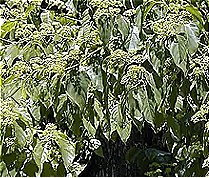
- Hovenia Dulcis is the scientific name for the Japanese Raisin Tree, a tree native to East Asia. This tree is known for its sweet and nutritious fruits.
- Fruit Extract indicates that the product is a concentrated form obtained from processing the fruits of Hovenia Dulcis.
Industrial Production Process
- Fruit collection. Hovenia Dulcis fruits are harvested when fully ripe to ensure the highest content of active ingredients.
- Cleaning. The collected fruits are cleaned to remove external impurities and prepared for extraction.
- Drying. Prior to extraction, the fruits may be dried to reduce moisture content and concentrate the active compounds.
- Extraction. The dried or fresh fruits are immersed in a suitable solvent, such as water or alcohol, to extract the bioactive compounds. This process can include maceration, percolation, or more sophisticated methods like supercritical fluid extraction.
- Filtration. After extraction, the liquid is filtered to remove solid residues of plant material.
- Concentration. The filtered extract is concentrated under vacuum to remove some of the solvent and increase the concentration of active ingredients.
- Quality control. Each batch undergoes quality testing to verify the concentration of active ingredients and ensure the absence of contaminants.
What it is used for and where
Hovenia Dulcis Fruit Extract is rich in antioxidants and other bioactive compounds such as flavonoids and saponins (1), which are known for their health-beneficial properties. It is used in cosmetic products for its ability to enhance skin health, promoting hydration and cellular regeneration. Hovenia Dulcis extract is also known for its anti-aging properties and the ability to protect the skin from free radical damage. It can be found in anti-aging formulas, serums, and skin treatment products, where it helps to improve skin elasticity and radiance.
Cosmetics - INCI Functions
Skin conditioning agent. It is the mainstay of topical skin treatment as it has the function of restoring, increasing or improving skin tolerance to external factors, including melanocyte tolerance. The most important function of the conditioning agent is to prevent skin dehydration, but the subject is rather complex and involves emollients and humectants that can be added in the formulation.
Main uses and benefits of Hovenia Dulcis Fruit Extract.
Antioxidant Properties. Rich in antioxidants, Hovenia Dulcis extract helps protect the skin from damage caused by free radicals and environmental exposure, contributing to the prevention of premature aging (2).
Detoxifying Effects. It promotes skin detoxification, helping to remove toxins and improving skin clarity and radiance.
Hydration. Provides hydration to the skin, keeping it soft and smooth, thanks to its components that retain moisture.
Skin Regeneration. Supports the cell regeneration process, helping to repair damaged skin and promote a younger and healthier appearance.
Inflammation Reduction. It has anti-inflammatory properties that help reduce skin redness and inflammation, making it suitable for sensitive or irritated skin (3).
Versatile Applications. The extract can be used in a variety of cosmetic products, including serums, moisturizing creams, facial masks, and body care products, thanks to its wide range of skin benefits.
Safety
Hovenia Dulcis Fruit Extract is a product generally considered safe (4).

