



Cereus Grandiflorus Seed Powder is a product of natural origin derived from a cactus known as the "Queen of the Night" and belonging to the Cactaceae family.
The name describes the structure of the molecule:
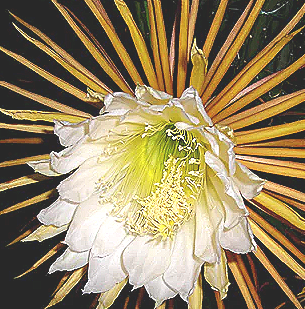
- Cereus Grandiflorus is the scientific name for a plant commonly known as the Night-blooming cereus. This cactus is renowned for its large, fragrant flowers that bloom only at night.
- Seed powder indicates that the product is a powdered form obtained from grinding the seeds of Cereus Grandiflorus.
Industrial Production Process
- Seed collection. Cereus Grandiflorus seeds are harvested after the flowers have pollinated and the fruits have matured and dried, ensuring a high content of active ingredients.
- Cleaning. The seeds are thoroughly cleaned to remove any impurities or external plant residues.
- Drying. The seeds are dried in a controlled environment to further reduce moisture content, facilitating preservation and grinding.
- Grinding. The dried seeds are then ground into a fine powder. This process increases the product’s surface area, enhancing its effectiveness and integration into various formulations.
- Sifting. The resulting powder is sifted to ensure a uniform particle size and remove any particle clumps.
- Quality control. Before being used in final products, the Cereus Grandiflorus seed powder undergoes quality testing to ensure purity, stability, and the absence of contaminants.
- Storage. The powder is stored in airtight containers to protect it from moisture and light, thus preserving its quality until use.
What it is used for and where
Thids product is used in cosmetic products for its moisturizing and regenerative properties. It is known to help hydrate and soothe the skin, making it particularly suitable for products aimed at dry or sensitive skin. The abundance of antioxidants found in the flowers also provides anti-aging benefits, helping to protect the skin from free radical damage and promote a more youthful, rejuvenated appearance.
Cosmetics - INCI Functions
Absorbent. Absorbs substances dispersed or dissolved in aqueous solutions, water/oil, oil/water.
Antioxidant agent. Ingredient that counteracts oxidative stress and prevents cell damage. Free radicals, pathological inflammatory processes, reactive nitrogen species and reactive oxygen species are responsible for the ageing process and many diseases caused by oxidation.
Skin conditioning agent. It is the mainstay of topical skin treatment as it has the function of restoring, increasing or improving skin tolerance to external factors, including melanocyte tolerance. The most important function of the conditioning agent is to prevent skin dehydration, but the subject is rather complex and involves emollients and humectants that can be added in the formulation.
Skin protectant. It creates a protective barrier on the skin to defend it from harmful substances, irritants, allergens, pathogens that can cause various inflammatory conditions. These products can also improve the natural skin barrier and in most cases more than one is needed to achieve an effective result.
CAS 8007-78-1
EC number 232-364-3
Main uses and benefits of Cereus Grandiflorus Seed Powder
Antioxidant Properties. Rich in antioxidants, it helps protect the skin from free radical damage and combats signs of premature aging.
Soothing Effects. It is known for its ability to soothe irritated skin, making it ideal for post-sun exposure products or for sensitive skin.
Hydration. Provides a mild level of hydration, helping to keep the skin soft and smooth.
Skin Regeneration. It stimulates cell regeneration, helping to improve the appearance of damaged skin and promote a more even and radiant complexion.
Purifying. It can help purify the skin by removing impurities and toxins, thereby improving skin clarity and overall health.
Versatile Applications. This powder can be incorporated into various cosmetic products, including facial masks, creams, lotions, and serums, leveraging its multiple skin care benefits.

