



Strawberry puree concentrate is made by reducing fresh strawberry puree to remove some of the water, thereby intensifying the flavor, color, and texture. This product is commonly used in the food industry to impart a rich strawberry flavor to beverages, desserts, ice creams, yogurts, and sauces without adding the bulk of water.
Nutritional Profile (per 100 grams):
- Calories Approximately 150 kcal.
- Protein About 1 gram.
- Fat Minimal, less than 0.5 grams.
- Carbohydrates About 36 grams, primarily in the form of natural sugars.
- Fiber About 2 grams.
- Vitamins and Minerals Rich in vitamin C, vitamin A, and contains significant amounts of antioxidants like ellagic acid and flavonoids, as well as minerals such as potassium and manganese.
Industrial Production Process
The production of strawberry purée concentrate involves a series of steps designed to process fresh strawberries into a thick, concentrated form. This concentrated purée is often used as a flavoring agent in beverages, desserts, and culinary applications, where a strong strawberry flavor and sweetness are desired without the bulk of whole fruit.
- Strawberry selection and cleaning. Strawberries are selected for their quality and freshness, then thoroughly washed to remove impurities and pesticide residues.
- Preparation. The strawberries are hulled and any damaged parts are removed.
- Puréeing. The prepared strawberries are blended into a smooth purée.
- Concentration. The strawberry purée is then concentrated using vacuum evaporation, reducing water content and increasing the concentration of solids.
- Homogenization. The concentrated purée may be homogenized to improve texture and consistency.
- Deaeration. Deaeration is often performed to remove included air, thus improving color stability and reducing oxidation.
Considerations
Strawberry puree concentrate is valued for its ability to infuse a strong strawberry flavor into food products and for its nutritional benefits, such as the provision of vitamins and antioxidants that can help protect the body from free radical damage.
Culinary Use Excellent for adding flavor and color to food products without diluting the texture of the final product.
Health Benefits Contributes to immune and skin health thanks to its high content of vitamin C and antioxidants.
Storage Should be stored in the refrigerator or freezer to preserve freshness and prevent nutrient degradation.
Strawberry (Fragaria) is an evergreen climbing plant that reaches 20 cm in length, the fruit is highly perishable and has a short duration due to a degradation of the cell wall in the last stages of maturation.
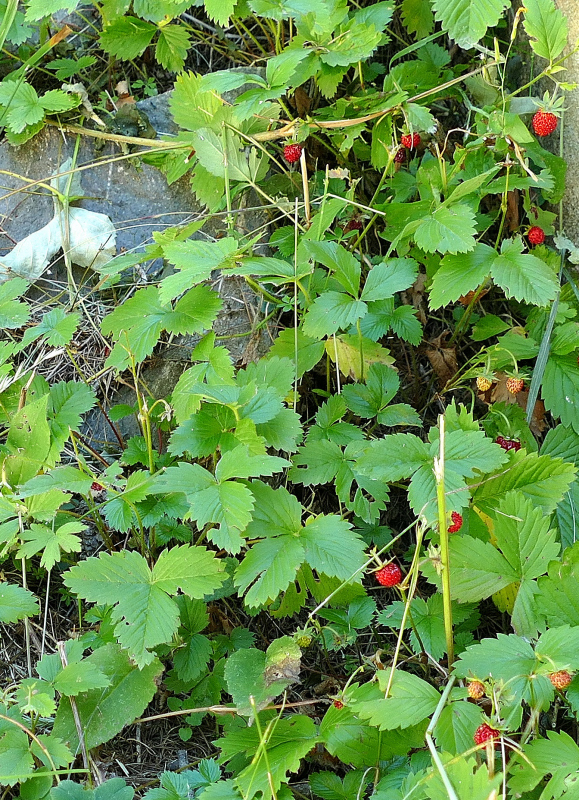
It belongs to the Rosaceae family.
There are:
- Fragaria virginiana
- Fragaria chiloensis
- Fragaria x ananassa
- Fragaria ovalis
- (Fragaria vesca L.) wild strawberry
It adapts to almost all terrain and likes places not completely exposed to the sun. It withstands the cold well.
Commercial applications:
Diet and Cooking. Strawberries are used in a wide range of culinary preparations, including desserts, ice creams, jams, and even in salads or as toppings. They are also eaten fresh as a snack or dessert.
Agriculture. Strawberry cultivation requires attention to soil, water conditions, and pest control and is practiced in many regions worldwide, enjoying popularity for both local consumption and export.
Food Industry. Strawberries are used to produce a variety of processed products, including juices, jams, ice creams, and baked goods.
Health Benefits. Strawberries are rich in vitamins, minerals, and antioxidants, and have anti-inflammatory and cardio-protective properties.
Studies
Strawberry contain a wide range of nutrients which contribute to human health such as the content of carotenoids in the pulp (1) :
- ß-cryptoxanthin 34,2%
- licopene 8,31%
- β-carotene 6,26%
It also contains natural and phytochemical compounds with antibacterial and antioxidant activities. It is also a source of carbohydrates, soluble dietary fibre, and polyunsaturated fatty acids (2).
Natural food prevention based on nutrition offers significant cancer prevention effects with rather low toxicity. In a series of pre-clinical and clinical studies, strawberry was chosen as a food-based intervention because it demonstrated powerful prevention activities with anti-inflammatory and anticancer activities attributable to anthocyanins (3).
Tiliroside, a flavonoid present in significant amounts in strawberry , has been shown to suppress increased levels of post-prandial plasma glucose. This finding reveals the anti-diabetic activity of strawberry (4).

