



Soy protein isolate is a highly refined form of protein extracted from soybeans, with almost all the fats and carbohydrates removed. This protein supplement is popular among athletes, vegans, and anyone looking to increase their protein intake without adding excessive calories from meat or other animal protein sources. It's often used in protein shakes, energy bars, and as a food additive to enrich various products with protein.
Nutritional Profile (per 100 grams).
- Calories Approximately 338 kcal.
- Protein About 80 grams, making it one of the richest sources of plant-based proteins available.
- Fat Minimal, generally less than 1 gram.
- Carbohydrates Minimal, as most are removed during the isolation process.
- Fiber Minimal or none, due to the refining process.
- Vitamins and Minerals Contains some minerals, including iron, phosphorus, and calcium, but in variable amounts depending on the production process.
Industrial Production Process
The production of soy protein isolate is a highly technical process designed to extract the maximum amount of protein from soybeans with minimal fat and carbohydrate content. This product is widely used in the food industry as a nutritional supplement and as a meat substitute because of its high protein content and versatility. Here's a detailed look at the process:
- Soybean selection and cleaning. Soybeans are selected and cleaned to remove impurities and debris.
- Defatting. The cleaned beans are then defatted using solvents or pressing to reduce the fat content.
- Grinding. The defatted beans are ground to break the cells and facilitate protein extraction.
- Protein extraction. Proteins are extracted from the ground beans using water or an alkaline solution, separating the proteins from carbohydrates and other components.
- Precipitation. The protein extract is then acidified to precipitate the proteins, further separating them from the liquids.
- Neutralization and purification. The precipitated proteins are neutralized and further purified to remove impurities and obtain a pure protein isolate.
- Drying. The protein isolate is finally dried to reduce moisture content and turned into a powder.
Considerations
Soy protein isolate offers numerous health benefits, including supporting muscle growth and repair, aiding in weight loss through its satiating effect, and providing a source of easily digestible, low-fat protein.
Allergies and Sensitivities Individuals allergic to soy should avoid it.
Culinary Use Can be easily incorporated into smoothies, yogurt, soups, and baked goods to increase their protein content.
Benefits and Limits While soy protein isolate is an excellent source of protein, it's important to maintain a varied diet that also includes proteins from other sources to ensure an adequate intake of all essential amino acids.
Soy is an annual seedling belonging to the Fabaceae family.
It is one of the most cultivated plants in the world and is used in human and animal nutrition.
Natural soy is not transgenic, so it has not undergone any changes to its DNA.
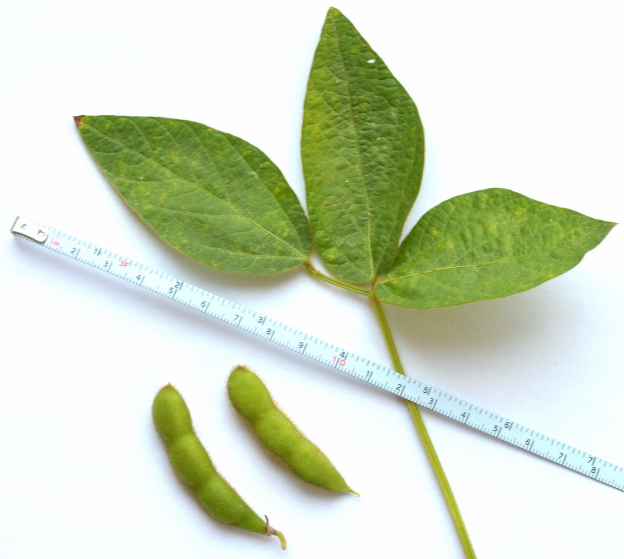
It is a leguminacea (like beans, peas etc.) introduced as an alternative to maize for the low cost and to avoid mycotoxins on grain and other parasites.
The spread of soy is due to the growing demand of consumers who have discovered some interesting properties of this legume.
- Great digestibility
- High protein (soy is 40% protein and 20% fat)
- High fiber content
But the benchmark that has advanced it in the market is the low cost.
There are about 30 varieties on the market:
Fukui, Demetra, Blanca, Taira, Regir, Dekabig, Atlantic, Bahia, PR92B63, Pacific, Nikko, Nikir, Condor, Pedro, Juliet, Tea, Ascasubi, Brilliant, Colorado, Fortress, Sapporo, Goriziana, Aires, Sponsor, Indian, Hilario, Neoplanta, Cresir, Shama, Syngenta, Sekoia, A
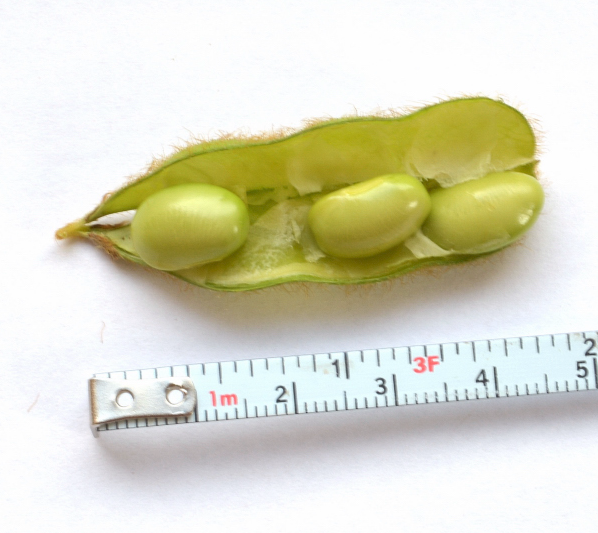
From soya we obtain:
- seeds from which mainly flour is produced
- sprouts used for salads and other applications in the pharmaceutical and cosmetic industries
Soy contains several polyphenol compounds, especially isoflavones, which have positive effects on human health, but their presence in percentage varies depending on the type of soy.
Isoflavones (classified as phytoestrogens) have shown positive potential against cardiovascular disease, diabetes, cancer. osteoporosis and neurogenerative disorders. In the soybean, 12 different types were identified divided into:
- aglycones (daizein, glicitein, genistein)
- beta-glucosides (daidzin, glicitin, genistin) (1)
In 1999, the FDA recognized soy proteins with some protection against coronary heart disease and authorized the following posology: 25 grams of soy protein per day as part of a low-fat, cholesterol-low diet.
In 2017, the FDA announced its intention to review the authorization for lack of scientific data as only 19 studies confirmed the usefulness of soy in reducing coronary risk, while 27 studies did not support this positive thesis.
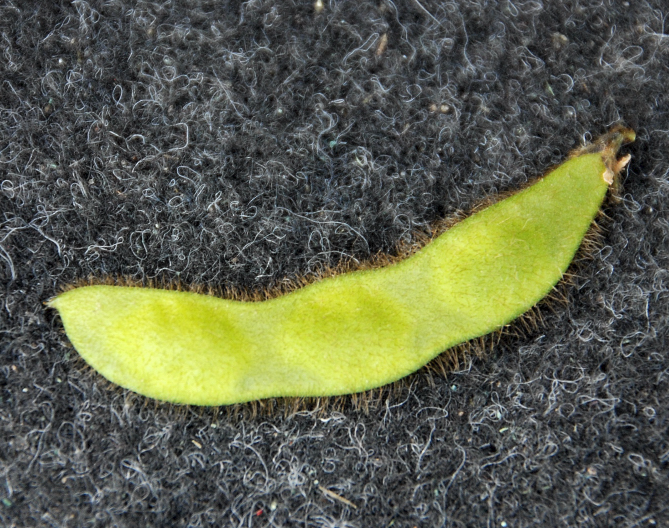
It's a rather controversial food.
On the one hand, some studies draw attention to isoflavones present in soy that help defend the cardiovascular system by regulating cellular and enzymatic functions in situations such as inflammation, thrombosis and atherosclerotic progression (2).
On the other hand, it is feared that it may cause damage, especially as a contributing cause for Alzheimer's disease, if ingested in the form of an industrial product. This study analyses the problem (3).
However, a certain amount of post-2017 scientific studies confirm the positive activity of soy bea on human health.
In a 20 km cycling race, a fermented soybean extract improved the performance of athletes both in terms of power and speed (4).
Patients with type 2 diabetes achieved improved blood conditions, increased brachial blood flow, improved endothelial function, increased total serum antioxidants and lipid profile. There was no significant effect on blood pressure and HDL cholesterol (5)
Soy and its isoflavones have a positive influence on mortality risks associated with cancer and cardiovascular disorders (6).

