



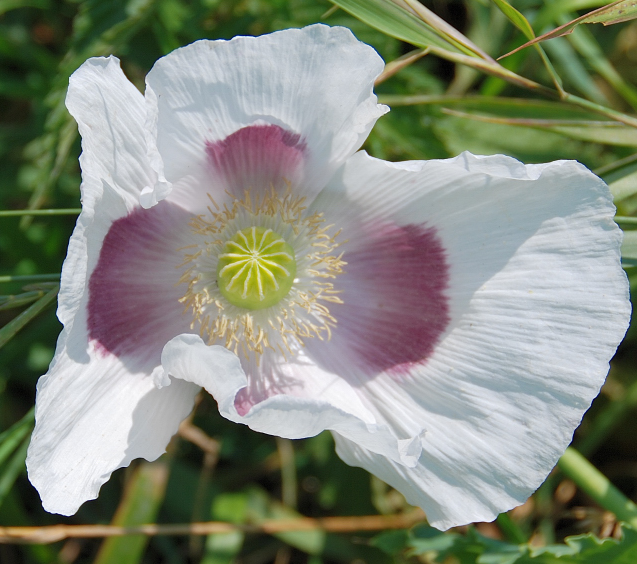
Poppy seeds come from the opium poppy plant (Papaver somniferum) and are used worldwide to enhance the flavor of bread, pastries, and savory dishes. Despite their small size, poppy seeds are packed with nutrients, including healthy fats, proteins, fiber, and a variety of essential minerals.
Nutritional Profile (per 100 grams).
- Calories Approximately 525 kcal.
- Protein About 18 grams, making them a good source of plant-based protein.
- Fat About 42 grams, with a mix of saturated, monounsaturated, and polyunsaturated fats, including omega-3 fatty acids.
- Carbohydrates About 28 grams, a significant portion of which is fiber.
- Fiber About 20 grams, significantly contributing to digestive health.
- Vitamins and minerals Rich in calcium, phosphorus, magnesium, iron, and zinc, in addition to containing a good amount of B vitamins.
Industrial Production Process
The production of poppy seeds involves a process that meticulously harvests and prepares the tiny seeds of the poppy plant, primarily for culinary use. Poppy seeds are known for their nutty flavor and are used in a variety of dishes and baked goods around the world. Unlike the oils discussed previously, poppy seeds undergo a simpler process since they are used whole or ground, rather than being processed for oil extraction. Here’s how the process unfolds:
- Cultivation and harvest. Poppy plants are grown until they reach maturity, and the seed pods are ready for harvesting.
- Harvesting the pods. The mature seed pods are harvested either manually or with the help of machinery.
- Drying. The harvested pods are dried in the sun or dryers to reduce moisture content and facilitate the separation of seeds.
- Seed separation. Once dried, the pods are shaken or pressed to release the seeds.
- Cleaning and sieving. The seeds are then cleaned to remove debris and sieved to ensure uniform size.
Considerations
Poppy seeds offer several health benefits, including improving digestive health, supporting heart health through healthy fats, and promoting bone health due to their high calcium content. Moreover, their high fiber content can aid in weight management.
Consumption Although nutritious, poppy seeds should be consumed in moderation due to their high caloric and fat content.
Culinary Use Versatile in cooking, they can be sprinkled on bread and bagels, used in salads, or as an ingredient in desserts and dressings.
Storage Should be stored in an airtight container in a cool, dry place to preserve freshness and prevent rancidity.

