



Pecans are a type of nut native to North America, known for their sweet and buttery flavor. They are a popular ingredient in many recipes, from pies to side dishes, and are valued not just for their taste but also for their nutritional benefits. Rich in healthy fats, protein, fiber, vitamins, and minerals, pecans are a nutritious addition to any diet.
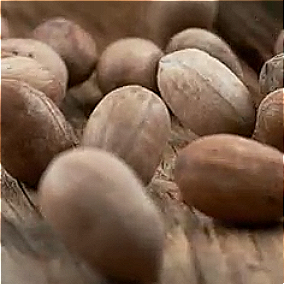
Botanical classification
Common name: pecan nut
Scientific name: Carya illinoinensis
Family: Juglandaceae
Genus: Carya
Origin: North America (southern United States and Mexico)
Growth habit: large deciduous tree with a broad crown, often exceeding 20–25 m in height under good conditions
Cultivation and growing conditions
Climate
Typical of warm temperate / subtropical climates.
Requires long, warm summers for proper nut ripening.
Sensitive to severe and prolonged frosts, especially when young and in late summer/early autumn (risk of damage to still-unripe shoots).
Needs a certain number of winter chilling hours for proper spring bud break.
Exposure
Needs full sun to produce well and develop a wide, healthy crown.
Not suitable for shaded or very confined locations, which reduce flowering and fruiting.
Preferably planted in positions sheltered from strong winds, which can break branches and cause nut drop.
Soil
Prefers deep, fresh, well-drained soils, from slightly acidic to neutral.
Does not like waterlogging: heavy, constantly wet soils favour root rot.
Grows best in medium-textured soils with good organic matter and a water table that is not too shallow.
The root system is extensive and deep: it needs space and uncompacted soil.
Irrigation
In areas with hot, dry summers, regular irrigation is often essential, especially in the first years and during nut filling.
Less frequent but deep irrigations are preferable, wetting the soil profile thoroughly.
In well-established adult trees, in regions with adequate summer rainfall, irrigation can be reduced or limited to particularly dry years.
Temperature
Optimal summer growth between 24 and 32 °C.
Adult trees tolerate short periods of moderate cold but are not suited to climates with intense, recurrent winter frosts.
Late spring frosts can damage flowers and young shoots, compromising yield.
Fertilization
Long-lived, vigorous tree with significant nutrient requirements once in full production.
Before planting: incorporate mature organic matter and correct any pH issues.
After planting: regular applications of balanced fertilizers (nitrogen, phosphorus, potassium) plus micronutrients, based on soil analysis and yield levels.
Nitrogen must be managed carefully: excess stimulates overly tender growth, more sensitive to cold and pests.
Crop management
In the first years, it is important to establish a good training system (central leader with well-spaced scaffold branches), through light but regular pruning.
Later, pruning is limited to removing dead, diseased or poorly placed branches, keeping the canopy well aerated.
Requires space: planting too close or near buildings and other large trees is not recommended.
Check regularly for pests (nut-boring insects, aphids) and foliar/fruit diseases, and intervene when necessary.
Harvest
Entry into full production is relatively slow: usually several years after planting (5–7 years depending on rootstock and conditions).
Nuts ripen in autumn; the husk splits and releases the shell, which falls to the ground or hangs partially.
Harvest is carried out when nuts are fully mature, often by shaking branches and collecting from the ground.
After harvest, nuts should be dried in a shaded, well-ventilated place to ensure good storability.
Propagation
For quality nut production, grafted trees on selected rootstocks (vigor, soil adaptation) are almost always used.
Seed propagation is mainly used to produce rootstocks or for breeding: seedlings are highly variable.
Grafting (e.g. cleft or budding) is done on young rootstocks, choosing cultivars suited to local climate with good yield and nut quality.
Indicative nutritional values per 100 g (raw kernels)
Energy: ~680–720 kcal
Water: ~3–5 g
Total carbohydrates: ~4–6 g
sugars: ~3–4 g
Total dietary fibre: ~8–10 g
Protein: ~9–10 g
Total fat: ~70–72 g
SFA: ~6–8 g
MUFA: ~40–45 g
PUFA: ~20–25 g (mainly n-6)
TFA (natural trans fatty acids): negligible
Vitamins: vitamin E, B-group vitamins (especially thiamine), small amounts of provitamin A
Minerals: manganese, copper, magnesium, zinc, phosphorus, potassium
(Values refer to edible kernels; roasted/salted products have slightly different profiles, particularly for moisture and sodium.)
Key constituents
Lipid fraction
monounsaturated fatty acids (predominantly oleic acid)
polyunsaturated fatty acids (mainly linoleic acid, small amounts of α-linolenic acid)
minor saturated fatty acids (palmitic, stearic)
phytosterols and tocopherols (vitamin E is the major lipophilic antioxidant)
Protein fraction
moderate protein content with a pattern that complements cereals and legumes in mixed diets
Carbohydrates and fibre
low available carbohydrates
significant dietary fibre (mainly insoluble, with a smaller soluble fraction)
Micronutrients
high levels of manganese and copper
relevant contributions of magnesium, zinc, phosphorus and potassium
B-group vitamins and vitamin E
Phytochemicals
phenolic compounds (phenolic acids, flavonoids, tannins)
additional bioactives in by-products (husks, shells, press cakes)
Production process
Cultivation
long-lived trees adapted to warm temperate and subtropical climates
require deep, well-drained soils and adequate water supply
commercial orchards rely on selected cultivars for yield, kernel size and shelling efficiency
Harvesting
nuts are harvested when the outer husk (shuck) splits and the shell is fully mature
mechanical shakers are commonly used; nuts are collected from the orchard floor
Post-harvest
cleaning to remove foreign matter and husk fragments
controlled drying to reduce kernel moisture and limit microbial growth and rancidity
shelling, separation of kernels and removal of broken/defective pieces
Processing
roasting, salting, spicing or candying for snack products
grinding to produce pecan butter or pastes for confectionery
cold-pressing or expeller pressing to obtain pecan oil
defatted meal or partially defatted flours used as ingredients in bakery and other foods
Storage
in-shell nuts: cool, dry conditions with good ventilation
shelled kernels: more sensitive to oxidation; require low temperatures and protection from oxygen and light
oil: stored in dark containers, away from heat and light
Physical properties
Kernel: elongated, bilobed, deeply ridged, amber to golden-brown colour
Texture: firm yet friable, becoming creamy in the mouth due to high oil content
Bulk density: relatively low compared with cereals, higher than some other large nuts
Oil: light to medium yellow, clear, with medium–high viscosity at room temperature
Sensory and technological properties
Aroma: sweet, nutty, with notes of butter, caramel and light toast; becomes more intense with roasting.
Taste: naturally sweet, rich and mellow, with low astringency compared with some other nuts.
Texture: soft, buttery crunch when fresh; can become rubbery or mealy if improperly stored.
Technological functionality:
high fat content supports creamy textures in spreads, fillings and pralines,
roasted pecans contribute intense flavour and crunch to sweet and savoury formulations,
pecan oil offers a characteristic flavour and a favourable unsaturated fat profile for dressings and gourmet preparations.
Food applications
Direct consumption
raw or roasted kernels, salted or seasoned snack nuts, trail mixes.
Bakery and confectionery
pecan pies, tarts, cakes, brownies and cookies,
pralines, brittle, nougat, chocolate bars and coatings.
Culinary uses
toppings for salads, grain dishes and desserts,
inclusions in muesli, granola and cereal bars,
pecan butter and pecan-based spreads.
Oils and ingredients
pecan oil for dressings, finishing oils and gourmet applications,
partially defatted pecan flours and meals for bakery, snacks and gluten-containing blends.
Nutrition and health
Pecan nuts are energy-dense: small portions provide substantial calories, mainly from fats; portion control is therefore important.
The lipid fraction is dominated by monounsaturated and polyunsaturated fatty acids, which are generally considered favourable when replacing saturated fat in the context of a balanced diet.
Pecans are a rich source of vitamin E and polyphenols, contributing to the overall antioxidant capacity of the diet.
Fibre helps support normal bowel function and may contribute to satiety when pecans are consumed as part of meals or snacks.
Their content of minerals such as manganese, copper and magnesium supports normal metabolic functions, bone health and antioxidant enzyme systems.
In several regions, nuts including pecans are recognised within dietary guidelines as part of healthy eating patterns when consumed in moderate amounts.
Portion note
Kernels: approximately 20–30 g per day (a small handful, roughly 15–20 halves) is a commonly recommended serving in balanced diets.
Pecan oil: about 5–10 g (1–2 teaspoons) as a condiment or ingredient, considering total daily fat intake.
Allergens and intolerances
Pecan nuts are classified as tree nuts, a major allergen group in food legislation.
Allergic reactions can be severe, including anaphylaxis, in sensitised individuals.
Cross-reactivity with other tree nuts and with walnut is possible.
In processed foods, cross-contamination with other allergens (peanut, other nuts, sesame, soy, etc.) can occur, depending on manufacturing lines; allergen labelling and precautionary statements must be carefully considered.
Storage and shelf-life
In-shell pecans:
relatively better protection from oxidation; can be stored for several months in cool, dry conditions.
Shelled kernels:
more susceptible to rancidity and flavour deterioration; refrigeration or freezing is advisable for extended storage,
typical shelf-life: several months at ambient conditions if well packaged, longer under refrigeration or freezing.
Roasted and chopped kernels:
higher surface area and more oxidation; shorter shelf-life, especially without oxygen-barrier packaging.
Pecan oil:
shelf-life depends on refining degree, antioxidant content and packaging; dark, airtight bottles and cool storage improve stability.
Safety and regulatory
Primary production, shelling, processing and packing should follow GMP and HACCP principles, with particular focus on:
prevention of mould growth and mycotoxin formation during drying and storage,
control of foreign bodies (shell fragments, stones, metal),
allergen management and cross-contact prevention in multiproduct facilities.
Pecan products marketed with nutrition or health claims (e.g. related to unsaturated fats, vitamin E or minerals) must comply with regional regulations regarding qualifying criteria and claim wording.
Environmental aspects of processing (washing, cleaning, oil extraction) require proper wastewater management, including monitoring of BOD and COD, and adherence to local discharge standards.
Labelling
Clear sales name (e.g. “pecan nuts”, “pecan kernels”, “pecan nut halves”, “pecan oil”).
Ingredient list in descending order by weight for multi-ingredient products.
Mandatory allergen labelling for tree nuts, in line with local regulations.
Nutrition declaration (energy, fat, saturates, carbohydrates, sugars, fibre, protein, salt) for prepacked foods.
Origin, storage instructions and any special production information (e.g. “roasted”, “salted”, “organic”) as required.
Nutrition and health claims only if legal conditions (composition and wording) are fully met.
Troubleshooting
Rancid or “stale” flavour
Causes: oxidation of the lipid fraction due to high temperature, light exposure or prolonged storage.
Actions: improve packaging (oxygen and light barriers), reduce storage time, apply cooler storage conditions.
Soft or rubbery texture
Causes: moisture uptake during storage.
Actions: use low water activity packaging, include desiccants where appropriate, control humidity in storage.
Excessive breakage of kernels
Causes: inadequate shelling or handling conditions.
Actions: adjust shelling equipment, reduce mechanical stress during conveying and packing.
Dark or bitter kernels
Causes: over-roasting, poor raw material quality, or oxidative deterioration.
Actions: optimise roasting profiles, improve raw material selection and stock rotation.
Sustainability and supply chain
Pecan orchards are perennial systems that can contribute to long-term soil cover, carbon storage and landscape stability.
Efficient irrigation management and selection of adapted cultivars are key to reducing water use in water-limited regions.
Shells and other by-products (press cakes, fines, husks) can be used as biomass for energy, animal bedding, soil amendments or as sources of phytochemicals for nutraceutical or cosmetic applications.
Sustainable supply chains emphasise responsible agrochemical use, biodiversity conservation in and around orchards, and fair socio-economic conditions for growers and workers.
Process water and effluents from shelling and oil extraction should be treated appropriately, with monitoring of BOD and COD, to minimise environmental impact.
Main INCI functions (cosmetics)
(Mainly referring to “Carya Illinoinensis Seed Oil” and related lipid extracts.)
emollient – helps soften and smooth the skin thanks to its rich unsaturated lipid fraction.
skin conditioning – supports improved skin feel and suppleness in creams, lotions and balms.
antioxidant – tocopherols and other lipophilic antioxidants contribute to protection of both skin and formulation from oxidative damage.
nourishing / protective – suitable for restorative and barrier-supporting formulations for dry or stressed skin, and in some hair-care products for shine and conditioning.
Conclusion
Noce pecan (Carya illinoinensis) is a high-value tree nut combining an attractive sensory profile with a favourable unsaturated fat pattern, significant micronutrient content and a rich spectrum of bioactive compounds. Its kernels and oil are versatile ingredients in sweet and savoury foods, while pecan-derived oils and extracts offer interesting emollient and antioxidant properties for cosmetic formulations. When produced, processed and stored correctly within sustainable and well-managed supply chains, pecans represent a technically and nutritionally valuable resource for modern food and cosmetic industries.
Studies
Pecans offer several health benefits, including supporting heart health, aiding in weight management due to their ability to promote satiety, and potentially improving digestive health. They are rich in vitamin E, magnesium, potassium, calcium, and zinc, as well as containing antioxidants that may help fight inflammation (1). They are also being studied for their antioxidant effects (2), which may help reduce the risk of various chronic diseases (3).
Consumption While nutritious, pecans are also high in calories, so their consumption should be done in moderation, especially for those monitoring calorie intake.

