Moringa è un genere di piante della famiglia delle Moringaceae, originario delle aree subtropicali di Africa e Asia. La specie più conosciuta e coltivata è Moringa oleifera, nota per le sue numerose proprietà nutrizionali e medicinali.
Descrizione
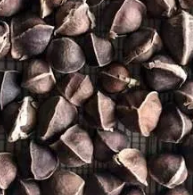
Moringa oleifera è un albero a rapido accrescimento che può raggiungere un'altezza di 10-12 metri. Ha foglie piccole, ovali e di colore verde chiaro. I fiori sono bianchi e profumati, mentre i frutti sono lunghi baccelli che contengono i semi.
Habitat
La Moringa predilige climi caldi e asciutti. Cresce bene in terreni sabbiosi o argillosi e può tollerare periodi di siccità. È coltivata in molte parti del mondo, soprattutto in India, Filippine, Africa e America Centrale.
Proprietà
Le foglie, i semi, i fiori e le radici di Moringa sono ricchi di vitamine (A, B, C, E), minerali (calcio, potassio, ferro), proteine e antiossidanti. La Moringa è nota per le sue proprietà antinfiammatorie, antidiabetiche, antipertensive e antimicrobiche.
Usi
Alimentazione. Le foglie di Moringa sono consumate fresche in insalate o cotte come spinaci. I semi possono essere mangiati crudi o utilizzati per produrre olio.
Medicina. La Moringa è utilizzata nella medicina tradizionale per trattare una varietà di condizioni, inclusi diabete, ipertensione, infezioni e infiammazioni.
L'analisi fitochimica ha rilevato beta-carotene, vitamina C, vitamina E e polifenoli con attività antiossidante (1), lecitina con attività antibatterica (2) e la frazione di acetato di etile ha mostrato una potente attività antinfiammatoria (3).
Cosmetica. Semi, foglie e corteccia sono utilizzate per ricavare prodotti con azione condizionante della pelle.
Purificazione dell'acqua. I semi di Moringa sono usati per la purificazione dell'acqua grazie alla loro capacità di aggregare le impurità.
Impatto Ambientale
La Moringa contribuisce alla lotta contro l'erosione del suolo e può essere utilizzata in programmi di riforestazione. Le sue radici migliorano la struttura del suolo e la capacità di trattenere l'acqua.
Bibliografia_____________________________________________________________________
(1) Mahmood, K. T., Mugal, T., & Haq, I. U. (2010). Moringa oleifera: a natural gift-A review. Journal of Pharmaceutical Sciences and Research, 2(11), 775.
Abstract. Moringa oleifera, Lam {Syn M.pterygosperma Gaertn} usually mentioned in literature as Moringa, is a natural as well as cultivated variety of the genus Moringa belonging to family Moringaceae .It is one of the richest plant sources of Vitamins A ,B {1,2,3,6,7}, C,D,E and K. The vital minerals present in Moringa include Calcium, Copper, Iron, Potassium, Magnesium, Manganese and Zinc. It has more than 40 natural anti-oxidants. Moringahas been used since 150B.C. by ancient kings and queens in their diet for mental alertness and healthy skin. The leaves, pods, seeds, gums , bark and flowers of Moringa are used in more than 80 countries {including Pakistan} to relieve mineral and vitamin deficiencies, support a healthy cardiovascular system, promote normal blood-glucose levels, neutralize free radicals {thereby reducing malignancy}, provide excellent support of the body's anit-flammatory mechanisms, enrich anemic blood and support immune system. It also improveseyesight, mental alertness and bone strength. It has potential benefit in malnutrition, general weakness, lactatingmothers, menopause, depression and osteoporosis. It is also used to make an efficient fuel, fertilizer and livestock feed. Moringa is an edible extremely safe plant. Its tree could easily and cheaply be cultivated and grown in Pakistan.
(2) Moura MC, Napoleão TH, Coriolano MC, Paiva PM, Figueiredo RC, Coelho LC. Water-soluble Moringa oleifera lectin interferes with growth, survival and cell permeability of corrosive and pathogenic bacteria. J Appl Microbiol. 2015 Sep;119(3):666-76. doi: 10.1111/jam.12882.
(3) Arulselvan P, Tan WS, Gothai S, Muniandy K, Fakurazi S, Esa NM, Alarfaj AA, Kumar SS. Anti-Inflammatory Potential of Ethyl Acetate Fraction of Moringa oleifera in Downregulating the NF-κB Signaling Pathway in Lipopolysaccharide-Stimulated Macrophages. Molecules. 2016 Oct 31;21(11):1452. doi: 10.3390/molecules21111452.
Abstract. In the present investigation, we prepared four different solvent fractions (chloroform, hexane, butanol, and ethyl acetate) of Moringa oleifera extract to evaluate its anti-inflammatory potential and cellular mechanism of action in lipopolysaccharide (LPS)-induced RAW264.7 cells. Cell cytotoxicity assay suggested that the solvent fractions were not cytotoxic to macrophages at concentrations up to 200 µg/mL. The ethyl acetate fraction suppressed LPS-induced production of nitric oxide and proinflammatory cytokines in macrophages in a concentration-dependent manner and was more effective than the other fractions. Immunoblot observations revealed that the ethyl acetate fraction effectively inhibited the expression of inflammatory mediators including cyclooxygenase-2, inducible nitric oxide synthase, and nuclear factor (NF)-κB p65 through suppression of the NF-κB signaling pathway. Furthermore, it upregulated the expression of the inhibitor of κB (IκBα) and blocked the nuclear translocation of NF-κB. These findings indicated that the ethyl acetate fraction of M. oleifera exhibited potent anti-inflammatory activity in LPS-stimulated macrophages via suppression of the NF-κB signaling pathway.




