



Cocodimonium Hydroxypropyl Silk Amino Acids is a chemical compound, mainly used in hair care products. This ingredient is known for its conditioning and moisturizing properties, which help to improve hair softness, shine, and manageability. It is a type of quaternary ammonium salt modified with hydrolyzed silk amino acids, derived from coconut oil.
The name describes the structure of the molecule:
Cocodimonium indicates that the quaternary ammonium group is attached to a chain of fatty acids derived from coconut oil.
Hydroxypropyl indicates the presence of hydroxypropyl groups in the molecular structure.
Silk Amino Acids indicates that the amino acid is derived from silk. Silk proteins are composed of numerous amino acids, and the addition of these to the label indicates that the amino acids are derived from silk. Amino acids are the fundamental building blocks of proteins, which can provide benefits for the skin and hair.
Chemical Industrial Synthesis Process
The production of Cocodimonium Hydroxypropyl Silk Amino Acids, a conditioning ingredient used in hair care products to improve combability, softness, and shine, follows a chemical process that involves modifying silk amino acids with cationic agents to increase their affinity for hair.
- Extraction. Silk amino acids are extracted from raw silk fibers through a hydrolysis process, which breaks down silk proteins into smaller, more manageable amino acids.
- Modification. The hydrolyzed silk amino acids are then subjected to a chemical modification to introduce hydroxypropyl groups, enhancing their solubility and binding capacity to hair.
- Quaternization. Subsequently, the modified amino acids are quaternized with cationic agents, such as cocodimonium chloride, to further increase their affinity for hair and enhance conditioning properties.
- Purification. The resulting ingredient is purified to remove any impurities or by-products of the reaction. This may include techniques such as filtration, centrifugation, and dialysis.
- Quality Control. The final product, Cocodimonium Hydroxypropyl Silk Amino Acids, undergoes rigorous quality control checks to ensure its effectiveness, purity, and safety. These tests can include chromatographic analyses, evaluations of conditioning performance, and safety tests.
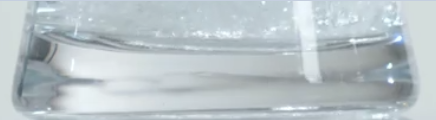
Form and Color. Cocodimonium hydroxypropyl silk amino acids typically appear as a clear or slightly opalescent liquid, with a viscosity that can vary based on concentration and specific formulation.
What it is for and where
It is commonly used in hair care formulations, such as conditioners, masks, leave-in sprays, and treatments for damaged hair, as well as in some skin care products for its moisturizing and softening properties.
Cosmetics - INCI Functions
Antistatic agent. Static electricity build-up has a direct influence on products and causes electrostatic adsorption. The antistatic ingredient reduces static build-up and surface resistivity on the surface of the skin and hair.
Hair conditioning agent. A significant number of ingredients with specific and targeted purposes may co-exist in hair shampoo formulations: cleansers, conditioners, thickeners, matting agents, sequestering agents, fragrances, preservatives, special additives. However, the indispensable ingredients are the cleansers and conditioners as they are necessary and sufficient for hair cleansing and manageability. The others act as commercial and non-essential auxiliaries such as: appearance, fragrance, colouring, etc. Hair conditioning agents have the task of increasing shine, manageability and volume, and reducing static electricity, especially after treatments such as colouring, ironing, waving, drying and brushing. They are, in practice, dispersants that may contain cationic surfactants, thickeners, emollients, polymers. The typology of hair conditioning agents includes: intensive conditioners, instant conditioners, thickening conditioners, drying conditioners. They can perform their task generally accompanied by other different ingredients.
Skin conditioning agent. It is the mainstay of topical skin treatment as it has the function of restoring, increasing or improving skin tolerance to external factors, including melanocyte tolerance. The most important function of the conditioning agent is to prevent skin dehydration, but the subject is rather complex and involves emollients and humectants that can be added in the formulation.
Chemical name: 2-Hydroxy-1-propanaminium, N,N-dimethyl-N-(coco-alkyl)-, 3-silk-amino-acids, chlorides

