



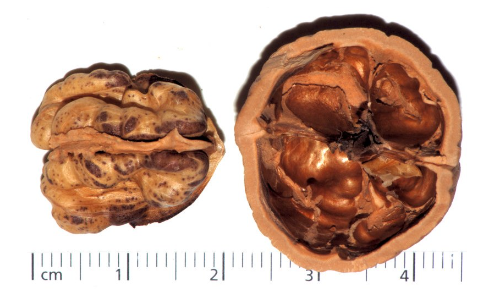
Hydrolyzed Walnut Extract is a compound of natural origin obtained from the Juglans Regia walnut belonging to the Juglandaceae family.
Industrial Production Process
The production of hydrolyzed walnut extract, an ingredient rich in antioxidants and used for its nourishing and protective properties in cosmetics and hair care products, follows an enzymatic hydrolysis process to break down walnut proteins into smaller peptides and amino acids that are more easily assimilable.
- Selection. Walnuts are selected, cleaned, and crushed to facilitate the extraction of bioactive compounds.
- Extraction. The crude extract is obtained by immersing the crushed walnuts in a solvent, typically water, to extract soluble compounds.
- Hydrolysis. The crude extract is then subjected to enzymatic hydrolysis, using specific enzymes that break down proteins into smaller components such as peptides and amino acids. This process increases the bioavailability of the nutrients contained in the extract.
- Purification. After hydrolysis, the extract is purified to remove impurities and concentrate the bioactive compounds. This may include techniques such as filtration, centrifugation, and dialysis.
- Concentration. The purified extract can be further concentrated to remove excess water and achieve a denser consistency or a powder, depending on the specific requirements of the final product.
- Quality Control. The hydrolyzed walnut extract undergoes rigorous quality control checks to ensure the presence and concentration of nutrients, as well as to verify the absence of contaminants. These tests can include chromatographic analyses, spectroscopic analyses, and microbiological tests.
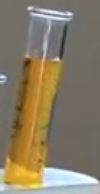
Form and Color. Hydrolyzed walnut extract appears as a light brown or amber liquid, with a consistency that can range from liquid to gel-like depending on concentration and processing method.
What it is for and where
Cosmetics - INCI Functions
Antioxidant agent. Ingredient that counteracts oxidative stress and prevents cell damage. Free radicals, pathological inflammatory processes, reactive nitrogen species and reactive oxygen species are responsible for the ageing process and many diseases caused by oxidation.
Cosmetic astringent. This ingredient exerts a direct effect on the skin by tightening dilated pores by contracting stratum corneum cells and removing superfluous oil.
Hair conditioning agent. A significant number of ingredients with specific and targeted purposes may co-exist in hair shampoo formulations: cleansers, conditioners, thickeners, matting agents, sequestering agents, fragrances, preservatives, special additives. However, the indispensable ingredients are the cleansers and conditioners as they are necessary and sufficient for hair cleansing and manageability. The others act as commercial and non-essential auxiliaries such as: appearance, fragrance, colouring, etc. Hair conditioning agents have the task of increasing shine, manageability and volume, and reducing static electricity, especially after treatments such as colouring, ironing, waving, drying and brushing. They are, in practice, dispersants that may contain cationic surfactants, thickeners, emollients, polymers. The typology of hair conditioning agents includes: intensive conditioners, instant conditioners, thickening conditioners, drying conditioners. They can perform their task generally accompanied by other different ingredients.
Skin conditioning agent. It is the mainstay of topical skin treatment as it has the function of restoring, increasing or improving skin tolerance to external factors, including melanocyte tolerance. The most important function of the conditioning agent is to prevent skin dehydration, but the subject is rather complex and involves emollients and humectants that can be added in the formulation.
Applications. It is widely used in skin care products, such as moisturizing creams, lotions, and masks, as well as in hair care products, like shampoos and conditioners, to improve strength and elasticity.
___________________________
Juglans regia, commonly known as the Persian walnut, English walnut, or simply walnut, is a species of deciduous tree in the walnut family, Juglandaceae. It is native to the region stretching from the Balkans eastward to the Himalayas and southwest China. The tree has been cultivated for its valuable edible nuts and wood since ancient times.
Juglans regia trees can grow up to 20-35 meters (66-115 feet) tall. The leaves are large, pinnate, and typically 20-30 cm long, with 5-9 leaflets. The flowers are catkins, produced in spring. The fruit is a green, fleshy drupe containing a nut with a brown shell, which is edible and widely consumed by humans.
Walnuts are highly nutritious, rich in omega-3 fatty acids, antioxidants, vitamins and minerals (1). They are known to have numerous health benefits, including improving heart health, supporting brain function, and reducing inflammation (2). The leaves, bark and shells of the walnut tree have been used in traditional medicine to treat various diseases, from skin conditions to digestive disorders.
Habitat and Cultivation
The walnut tree prefers a temperate climate and is found in regions with a mild winter and warm summer. It thrives in deep, fertile, well-drained soils with ample moisture. Juglans regia has been widely cultivated across Europe, North and South America, and Asia for its nuts. The trees are also valued for their timber, which is used in fine woodworking and furniture making.
Nutritional and Medicinal Properties
Walnuts are highly nutritious, rich in omega-3 fatty acids, antioxidants, vitamins, and minerals. They are known to have numerous health benefits, including improving heart health, supporting brain function, and reducing inflammation. The leaves, bark, and husks of the walnut tree have been used in traditional medicine to treat various ailments, from skin conditions to digestive disorders.
Uses
Culinary: Walnut kernels are eaten fresh or used in cooking, baking, and confectionery. Walnut oil, pressed from the nuts, is used in salad dressings and culinary applications.
Medicinal: Various parts of the walnut tree have medicinal uses in traditional practices. Extracts from the leaves, bark, and husks are used for their astringent, anti-inflammatory, and antifungal properties.
Woodworking: Walnut wood is highly prized for its beauty, workability, and durability. It is used for furniture, cabinetry, gunstocks, and decorative items.
Environmental Impact
Walnut trees can have both positive and negative environmental impacts. They contribute to biodiversity and can provide habitat for various species. However, the trees produce a chemical called juglone, which can inhibit the growth of other plants nearby, affecting plant diversity.
Conservation
In summary, Juglans regia is a valuable tree species with a long history of cultivation for its fruits, wood and medicinal properties. Its cultivation supports diverse agricultural systems and contributes to healthy diets and traditional crafts.

