



Echinacea Angustifolia Root Cell Culture Extract is a naturally derived compound from the plant Echinacea Angustifolia belonging to the Asteraceae family.
Industrial Production Process
The production of Echinacea Angustifolia root cell culture extract, an innovative ingredient used in cosmetics for its antioxidant, regenerative, and skin-protective properties, follows an advanced biotechnological process. This approach utilizes in vitro cell culture techniques to maximize the production of specific active ingredients. Here is a detailed overview of the process.
- Culture Initiation. The process begins with the selection and preparation of Echinacea Angustifolia root tissues, which are sterilized and placed in an appropriate culture medium under aseptic conditions to promote the growth of callus cells.
- Callus Growth. The callus cells, a mass of undifferentiated plant cells, are cultivated in incubators with controlled conditions of light, temperature, and humidity. During this phase, plant hormones and nutrients may be added to the culture medium to stimulate growth and optimize the production of active principles.
- Active Ingredient Extraction. Once the callus cultures have reached an optimal density, they are harvested and subjected to extraction to isolate the bioactive compounds. Extraction can be performed using solvents such as ethanol or water, or through gentler extraction methods to preserve the integrity of the compounds.
- Purification and Concentration. The obtained extract is filtered to remove cellular residues and then concentrated under vacuum or through other methods to reduce solvent content and increase the concentration of active ingredients.
- Quality Control. The Echinacea Angustifolia root cell culture extract undergoes quality control checks to verify the presence and concentration of bioactive compounds, as well as the absence of contaminants. These tests can include analytical techniques such as high-performance liquid chromatography (HPLC), spectroscopy, and microbiological analyses.
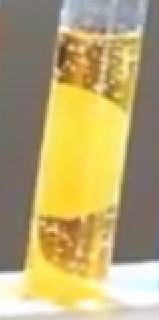
Form and Color. Echinacea Angustifolia root cell culture extract appears as a colorless or slightly yellow liquid, with a consistency that varies based on concentration.
What it is for and where
Cosmetics - INCI Functions
Skin conditioning agent. It is the mainstay of topical skin treatment as it has the function of restoring, increasing or improving skin tolerance to external factors, including melanocyte tolerance. The most important function of the conditioning agent is to prevent skin dehydration, but the subject is rather complex and involves emollients and humectants that can be added in the formulation.
CAS 84696-11-7
EC number 283-631-6
Applications. Predominantly used in serums, creams, and anti-aging treatments for its ability to promote collagen production and improve skin elasticity.
________________________
Echinacea Angustifolia, also known as narrow-leaved coneflower, is a perennial plant in the Asteraceae family. Native to North America, it is well-known for its medicinal properties, particularly for boosting the immune system.
Chemical Composition
The plant contains a variety of bioactive compounds, including alkylamides, polysaccharides, and phenolic compounds, which provide immunomodulatory, antioxidant, and antimicrobial properties.
Activities.
Extracts of Echinacea Angustifolia have shown significant antioxidant and anti-inflammatory effects. Research has highlighted its potential in enhancing immune response and reducing inflammation.
Therapeutic Potential.
Traditionally, Echinacea Angustifolia has been used to treat colds, flu, and other respiratory infections, as well as being used to strengthen the body's natural defenses.
Applications.
Extracts of Echinacea Angustifolia are used in the production of dietary supplements and pharmaceutical products due to their health-beneficial properties. They are also used in the cosmetic industry for their beneficial skin properties.

