



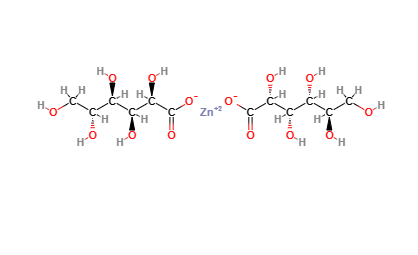
Zinc gluconate is a chemical compound derived from zinc and gluconic acid.
The name describes the structure of the molecule:
Zinc. A chemical element with the symbol Zn and atomic number 30. Zinc is a metal, essential for numerous biological processes, including immune function, DNA synthesis, cell division, and wound healing. It acts as a cofactor for various enzymes, supporting metabolism and antioxidant activity.
Gluconate. A salt or ester of gluconic acid, which is derived from the fermentation of glucose. Gluconate acts as a chelating agent, binding metal ions such as zinc. This chelated form facilitates the absorption of zinc in the body, improving its bioavailability compared to other forms of zinc.
Zinc gluconate is synthesized industrially through a simple chemical reaction where gluconic acid reacts with zinc oxide. The process typically involves the following steps.
- Preparation of Gluconic Acid - Gluconic acid is usually produced by the fermentation of glucose. The glucose is derived from corn syrup or other sources of starch. Microorganisms such as Aspergillus niger or Gluconobacter oxydans are used to ferment the glucose, producing gluconic acid.
- Reaction with Zinc Oxide - The gluconic acid is then reacted with zinc oxide. This reaction is carried out in an aqueous solution, where zinc oxide dissolves in the acid to form zinc gluconate. The equation for the reaction is as follows:
- Purification - After the reaction, the solution may contain impurities and unreacted materials. It is purified through filtration and crystallization processes. The zinc gluconate is then dried to obtain the final product in powder form.
- Quality Control - The final product is subjected to various quality control tests to ensure its purity and compliance with industrial standards. This includes testing for zinc content, solubility, and absence of harmful impurities.
Form and Color
Commonly appears as a white powder or granules

What it is for and where
Dietary Supplements. Zinc gluconate is often used in dietary supplements as a source of zinc, an essential mineral for the immune system, cell repair, and metabolism
Oral Health. Found in some mouthwashes and toothpastes for its ability to prevent plaque formation and bad breath
Safety
Generally considered safe when taken in recommended doses, but excess zinc can cause side effects such as nausea and gastrointestinal upset
 |  |
Molecular Formula C12H22O14Zn
Molecular Weight 455.7 g/mol
CAS 4468-02-4
UNII U6WSN5SQ1Z
EC Number 224-736-9
Synonyms
boron gluconate

