



Dipeptide diaminobutyroyl benzylamide diacetate: properties, uses, pros, cons, safety
Dipeptide diaminobutyroyl benzylamide diacetate is a chemical compound primarily used in cosmetics and skincare products.
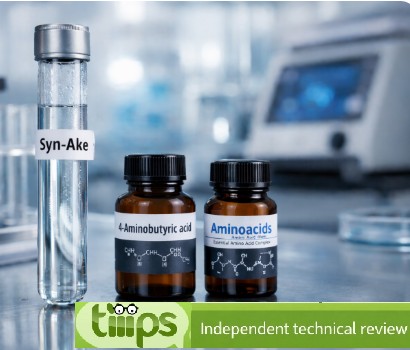
The name describes the structure of the molecule:
- Dipeptide indicates that the compound is a dipeptide, which is a molecule made up of two amino acids linked together by a peptide bond. Dipeptides are used in cosmetics for their beneficial properties on the skin.
- diaminobutyroyl refers to a chemical structure derived from 4-aminobutyric acid. This structure is part of the dipeptide and contributes to its properties.
- benzylamide is a functional group that contains a benzene ring attached to an amide group. This group imparts specific chemical and biological properties to the compound.
- diacetate indicates that the compound contains two acetate groups. These groups can affect the solubility and stability of the compound.
Origin. Synthetically manufactured in the laboratory, this dipeptide is inspired by active components found in snake venom.
Functions of Raw Materials.
Synthetic Peptide. Acts by relaxing facial muscles, thereby reducing the appearance of wrinkles and providing a smoothing effect on the skin.
Industrial Production Process
- Chemical Synthesis. The peptide is synthesized through controlled chemical processes to ensure its purity and efficacy.
- Purification. After synthesis, the peptide is purified to remove any impurities.
- Quality Control. Each batch of the dipeptide undergoes rigorous quality testing to ensure its safety and efficacy.
What it is for and where
Dipeptide diaminobutyroyl benzylamide diacetate, also known as Syn-Ake, is a popular ingredient in the cosmetic industry, especially in anti-aging products. It is a synthetic peptide that mimics the action of snake venom and is used for its relaxing properties on muscles, helping to reduce wrinkles and expression lines (1). It is known for its muscle-relaxing properties. It is often used in anti-aging products to reduce the appearance of fine lines and wrinkles, acting similarly to Botox but in a non-invasive manner. It helps to relax facial muscles, thereby reducing wrinkles caused by facial expressions.
Cosmetics - INCI Functions
Skin conditioning agent. It is the mainstay of topical skin treatment as it has the function of restoring, increasing or improving skin tolerance to external factors, including melanocyte tolerance. The most important function of the conditioning agent is to prevent skin dehydration, but the subject is rather complex and involves emollients and humectants that can be added in the formulation.
Form and Color
Dipeptide diaminobutyroyl benzylamide diacetate appears as a clear and colorless liquid.

