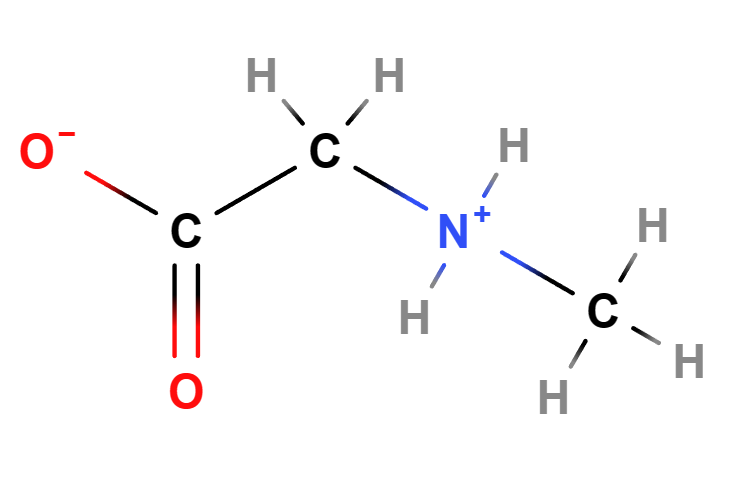
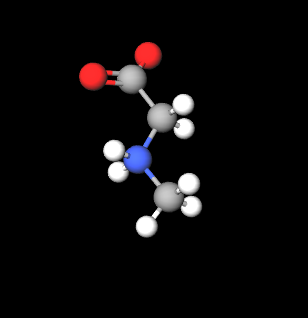
Cocoyl Sarcosine is a chemical compound primarily used as a surfactant and conditioning agent in hair and skin care products.
The name describes the structure of the molecule:
- Cocoyl refers to the fatty acid derived from coconut oil. This indicates that the compound is a derivative of coconut fatty acid, known for its emollient and moisturizing properties.
- Sarcosine is a derivative of an amino acid that serves as the base for the compound. Sarcosine derivatives are known for their gentle cleansing properties and for enhancing the softness and silkiness of hair and skin care products.
Raw Materials Used in the Production of Cocoyl Sarcosine and Their Functions
Origin: Derived from fatty acids of coconut oil.
Functions of Raw Materials:
Coconut Fatty Acids provide the lipid base, essential for surfactant formation.
Sarcosine: A derivative of a natural amino acid, contributes to foam formation and gentleness of the product.
Industrial Production Process
- Extraction. Fatty acids are extracted from coconut oil.
- Reaction. The fatty acids are then combined with sarcosine to form Cocoyl Sarcosine.
- Purification. The final product is purified to remove any impurities and optimize quality.
- Quality Control. Cocoyl Sarcosine undergoes quality testing to ensure purity, efficacy, and safety.
Form and Color
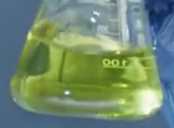
Cocoyl Sarcosine typically appears as a clear to slightly yellowish, viscous liquid.
Safety
In general, according to a 2001 study, sarcosinates are not irritants and do not sensitize animal or human skin, although they may enhance the penetration of other ingredients through the skin. Therefore, care should be taken when formulating cosmetic products that contain these ingredients in combination with other ingredients. Available data are insufficient to support the safety of acylsarcosines and sarcosinates as cosmetic ingredients in products where they are likely to be inhaled (1).
A more updated study from 2021 finds that these ingredients are safe as used in cosmetics when formulated to be non-irritant, but they should not be used in cosmetic products in which N-nitrous compounds may be formed (2).
Molecular Formula C3H7NO2
Molecular Weight 89.09 g/mol
CAS 68411-97-2
UNII 820Q60DZ0I
EC Number 270-156-4
References_________________________________________________________________________
(1) Lanigan RS. Final report on the safety assessment of Cocoyl Sarcosine, Lauroyl Sarcosine, Myristoyl Sarcosine, Oleoyl Sarcosine, Stearoyl Sarcosine, Sodium Cocoyl Sarcosinate, Sodium Lauroyl Sarcosinate, Sodium Myristoyl Sarcosinate, Ammonium Cocoyl Sarcosinate, and Ammonium Lauroyl Sarcosinate. Int J Toxicol. 2001;20 Suppl 1:1-14. PMID: 11358107.
Abstract. This safety assessment addresses cosmetic ingredients that are N-acyl derivatives of sarcosine and are generally referred to as acyl sarcosines, and those that are salts, known generally as acyl sarcosinates. Previous assessments have addressed the safety of each of the fatty acids that appear in these acyl sarcosines and sarcosinates (Coconut Acid, Oleic Acid, Lauric Acid, and Myristic Acid). In each case the fatty acid was either safe for use or safe as used in cosmetic formulations. Acyl sarcosines are considered modified fatty acids with greater solubility and increased acidity of the carboxylic acid group compared to the parent fatty acid. They are used in a large number of cosmetic formulations as hair-conditioning agents and surfactant-cleansing agents. In soaps, concentrations are reported to be as high as 12.9%. These ingredients have low oral toxicity in rats. Although cytotoxic to Chinese hamster cells in culture, acyl sarcosines and sarcosinates are not mutagenic in those cells, nor in bacterial cells in culture. Carcinogenicity data were not available. These ingredients are nonirritating and nonsensitizing to animal and human skin, although they can enhance the penetration of other ingredients through the skin. For that reason, caution should be exhibited in formulating cosmetic products that contain these ingredients in combination with other ingredients whose safety is based on their lack of absorption or where dermal absorption is a concern (e.g., HC Yellow No. 4, Disperse Yellow 3). Because sarcosine can be nitrosated to form N-nitrososarcosine, a known animal carcinogen, these ingredients should not be used in cosmetic products in which N-nitroso compounds may be formed. With the above caveat, and based on the available data, it was concluded that these acyl sarcosines and sarcosinates are safe as used in rinse-off products. They may be safely used in leave-on products at concentrations up to 5%, the highest concentration tested in clinical irritation and sensitization studies. Oleoyl Sarcosine is used as a corrosion inhibitor in some aerosol products, at extremely low concentrations. In this circumstance, the ingredient is not being used as a cosmetic ingredient and this report is not intended to limit that use. Because of the absence of data on inhalation toxicity, however, it was concluded that the available data were not sufficient to support the safety of acyl sarcosines and sarcosinates as cosmetic ingredients in products where they are likely to be inhaled.
(2) Fiume, M. M., Bergfeld, W. F., Belsito, D. V., Hill, R. A., Klaassen, C. D., Liebler, D. C., ... & Heldreth, B. (2021). Amended Safety Assessment of Fatty Acyl Sarcosines and Sarcosinate Salts as Used in Cosmetics. International journal of toxicology, 40(2_suppl), 117S-133S.
Abstract. The Expert Panel for Cosmetic Ingredient Safety (Panel) assessed the safety of 5 acyl sarcosines and 9 sarcosinate salts as used in cosmetics; all of these ingredients are reported to function in cosmetics as hair conditioning agents and most also can function as surfactants—cleansing agents. The ingredients reviewed in this assessment are composed of an amide comprising a fatty acyl residue and sarcosine and are either free acids or simple salts thereof. The Panel relied on relevant new data, including concentration of use, and considered data from the previous Panel report, such as the reaction of sarcosine with oxidizing materials possibly resulting in nitrosation and the formation of N-nitrososarcosine. The Panel concluded that these ingredients are safe as used in cosmetics when formulated to be non-irritating, but these ingredients should not be used in cosmetic products in which N-nitroso compounds may be formed.