



Sodium Cocoyl Sarcosinate: properties, uses, pros, cons, safety, alternatives
Sodium Cocoyl Sarcosinate is a chemical compound used primarily as a surfactant in personal care products.
The name describes the structure of the molecule:
- Sodium indicates the presence of sodium, a chemical element. In the context of surfactants, sodium is used to form salts with organic compounds.
- Cocoyl refers to the fatty acid derived from coconut oil. This indicates that the compound is a derivative of coconut fatty acid.
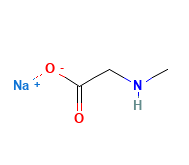
- Sarcosinate refers to sarcosinate, a functional group derived from sarcosine, an amino acid. Sarcosinates are known for their gentle cleansing and foaming properties.
Description of raw materials used in production:
Coconut Fatty Acids. Provide the lipid base, essential for surfactant formation.
Sarcosine. A derivative of a natural amino acid, contributes to foam formation and gentleness of the product.
Sodium. Used to neutralize and stabilize the formula, turning the mixture into a usable salt in skin and hair care products.
Industrial Production Process
- Extraction. Fatty acids are extracted from coconut oil.
- Reaction. The fatty acids are then combined with sarcosine, a derivative of a natural amino acid, to form sarcosinate.
- Neutralization. The compound is neutralized with sodium to form Sodium Cocoyl Sarcosinate.
- Purification. The final product is purified to remove any impurities and optimize quality.
- Quality Control. Sodium Cocoyl Sarcosinate undergoes quality testing to ensure purity, efficacy, and safety.
Form and Color
Sodium Cocoyl Sarcosinate typically appears as a viscous, transparent or slightly yellow liquid.

What it is for and where
- Used in skin and hair care products, such as shampoos, body washes, and facial cleansers, for its gentle cleansing ability, foam-forming capacity, and irritation reduction.
Cosmetics - INCI Functions
Cleansing agent. Ingredient that cleanses skin without exploiting the surface-active properties that produce a lowering of the surface tension of the stratum corneum.
Hair conditioning agent. A significant number of ingredients with specific and targeted purposes may co-exist in hair shampoo formulations: cleansers, conditioners, thickeners, matting agents, sequestering agents, fragrances, preservatives, special additives. However, the indispensable ingredients are the cleansers and conditioners as they are necessary and sufficient for hair cleansing and manageability. The others act as commercial and non-essential auxiliaries such as: appearance, fragrance, colouring, etc. Hair conditioning agents have the task of increasing shine, manageability and volume, and reducing static electricity, especially after treatments such as colouring, ironing, waving, drying and brushing. They are, in practice, dispersants that may contain cationic surfactants, thickeners, emollients, polymers. The typology of hair conditioning agents includes: intensive conditioners, instant conditioners, thickening conditioners, drying conditioners. They can perform their task generally accompanied by other different ingredients.
Surfactant - Cleansing agent. Cosmetic products used to cleanse the skin utilise the surface-active action that produces a lowering of the surface tension of the stratum corneum, facilitating the removal of dirt and impurities.
Safety
In general, according to a 2001 study, sarcosinates are not irritants and do not sensitize animal or human skin, although they may enhance the penetration of other ingredients through the skin. Therefore, care should be taken when formulating cosmetic products that contain these ingredients in combination with other ingredients. Available data are insufficient to support the safety of acylsarcosines and sarcosinates as cosmetic ingredients in products where they are likely to be inhaled (1).
A more updated study from 2021 finds that these ingredients are safe as used in cosmetics when formulated to be non-irritant, but they should not be used in cosmetic products in which N-nitrous compounds may be formed (2).
Alternatives
| Option (INCI) | Product type | Key advantages |
|---|---|---|
| Sodium Cocoyl Glutamate | Amino acid-based anionic surfactant | Very mild, good skin compatibility, suitable for gentle face/body cleansers and shampoos. |
| Disodium Cocoyl Glutamate | Amino acid-based anionic surfactant | Good cleansing with high tolerability, useful for low-irritation and natural-origin systems. |
| Sodium Lauroyl Methyl Isethionate | Mild anionic surfactant (syndet) | Creamy foam and soft after-feel, strong performance in bars and face/body cleansers. |
| Sodium Methyl Cocoyl Taurate | Mild anionic surfactant (taurate) | Good foam even in hard water, clean and comfortable feel, commonly used in gentle shampoos. |
| Sodium Cocoyl Isethionate | Mild anionic surfactant (syndet) | Excellent mildness with good foaming, well suited for syndet bars and solid cleansers. |
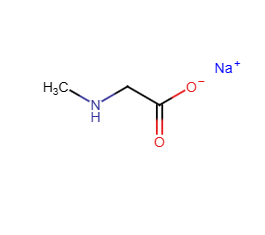
Molecular Formula C3H6NNaO2
Molecular Weight 111.08 g/mol
CAS 61791-59-1
UNII 1R9DUY89CZ
EC Number 263-193-2
 |  |

