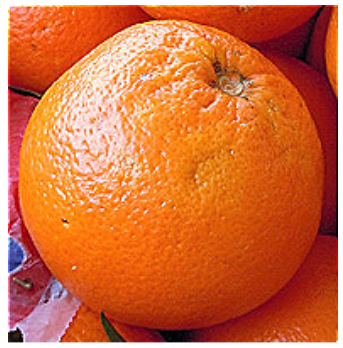
Citrus Aurantium Amara Leaf/Twig Extract is a naturally derived product obtained from bitter orange.
Raw Materials and Their Functions
Citrus Aurantium Amara Leaves and Twigs. The leaves and twigs of the bitter orange are rich in essential oils and bioactive compounds, including flavonoids and terpenes, which can contribute to improving the appearance and health of the skin.
Industrial Production Process of Citrus Aurantium Amara Leaf/Twig Extract
- Extraction of bioactive compounds from the leaves and twigs of Citrus Aurantium Amara using solvents such as ethyl alcohol or water, depending on the solubility of the desired compounds.
- Purification. After extraction, the solution containing the bioactive compounds is purified to remove impurities and solvent residues.
- Quality Control. Citrus Aurantium Amara leaf/twig extract undergoes quality testing to ensure it meets the required standards in terms of purity and concentration of bioactive compounds.
Form and Color
Citrus Aurantium Amara Leaf/Twig Extract, also known as bitter orange leaf/twig extract, is typically a liquid. This compound is usually colorless or very light in color.
What it is for and where
It is used in cosmetic and skincare products, such as lotions, toners, and creams. Bitter orange leaf/twig extract is known for its astringent, antioxidant, and calming properties. It is valued for its ability to tone and refresh the skin, as well as for its citrusy and relaxing aroma. Additionally, it is used in aromatherapy for its soothing and relaxing effects.
Cosmetics
Skin conditioning agent. It is the mainstay of topical skin treatment as it has the function of restoring, increasing or improving skin tolerance to external factors, including melanocyte tolerance. The most important function of the conditioning agent is to prevent skin dehydration, but the subject is rather complex and involves emollients and humectants that can be added in the formulation.
CAS 68916-04-1 72968-50-4
EC number 277-143-2
Bitter orange (Citrus Aurantium Amara) is a fruit that is harvested from the tree which belongs to the Rutaceae family and is cultivated in temperate zones almost all over the world. Extracts and essential oils widely used by the food, cosmetic and pharmaceutical industries are obtained from the peel, leaves, juice, flowers and seeds. It is a source of limonene, carotenoids, polyphenols, dietary fibre, soluble sugars, ascorbic acid, and pectin that exhibit antioxidant properties. Terpenes, flavonoids, carotenes and coumarins are known for their antimicrobial properties.
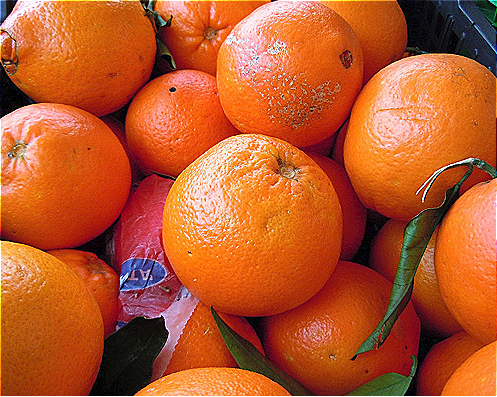
Citrus Aurantium Amara is known and appreciated for its bitter taste and is often used in traditional medicine and as a flavoring agent.
Chemical Composition
The essential oil extracted from the peel of Citrus Aurantium Amara is rich in limonene, a compound known for its aromatic properties. This oil is a by-product of the fruit processing industry and is valued for its potential health benefits.
Phytochemical analysis also revealed: linalool, rutin, synephrine, vitamin C.
Citrus Aurantium Amara essential oil has shown antioxidant activity, which may help counteract free radical damage in the human body; however, its antimicrobial properties, particularly against bacteria and yeasts, are relatively low compared with other natural extracts.
Research suggests that Citrus Aurantium Amara may have therapeutic potential, particularly in treating or preventing infectious diseases. Its essential oil has been studied for its effects against antibiotic-resistant microorganisms.
Traditional Medicine
In traditional Chinese medicine and other cultural practices, Citrus Aurantium Amara is used for its health-promoting properties. It's believed to aid in digestion, relieve abdominal pain, and help with other ailments.
Medical
Some studies have explored the anti-obesity effects of Citrus Aurantium Amara. Compounds like neohesperidin and naringin, found in the plant, have shown potential in weight management and obesity treatment (1).
Citrus Aurantium Amara is used in extract, essential oil, and powder form for the treatment of various diseases. One of its components, synephrine a primary proto alkaloid similar to ephedrine but producing different effects, is commonly included in dietary supplements and medicines for weight management, appetite control, sports performance, energy, and cognition (2). Synephrine exhibits cardiovascular activity but lacks the undesirable effects attributable to ephedrine.
Extracts, oils, and powders of Citrus Aurantium Amara are used in pharmaceutical and nutraceutical preparations for their antioxidant and antimicrobial properties (3).
Food and Nutraceutical
Beyond its use in traditional medicine, Citrus Aurantium Amara is gaining attention in the food and nutraceutical industries. Its rich composition of bioactive compounds makes it a valuable ingredient for developing health supplements and natural preservatives.
It is used as a fresh fruit, natural food additive, natural flavor.