



Eucalyptus globulus oil is a volatile essential oil used by traditional medical science for a number of common ailments and now commonly available over-the-counter (OTC) as ointments, drops, mouthwashes, suffumes and balms. It is considered safe, but doses should not be exaggerated.
Raw Materials and Their Functions
Eucalyptus Globulus Leaves. The leaves of the eucalyptus tree are rich in essential oils, particularly eucalyptol (cineole), which imparts the oil's noted therapeutic properties.
Industrial Production Process of Eucalyptus Globulus Leaf Oil
- Distillation of Eucalyptus Globulus leaves. During this process, steam passes through the leaves, extracting the essential oil, which is then condensed and collected.
- Purification. After distillation, the oil is purified to remove any impurities and optimize the quality of the fragrance and therapeutic properties.
- Quality Control. Eucalyptus Globulus leaf oil undergoes quality testing to ensure it meets the required standards in terms of purity, aromatic profile, and chemical properties.
A large quantity of eucalyptus oil is commercially available, but most contain chemical additives and fillers.
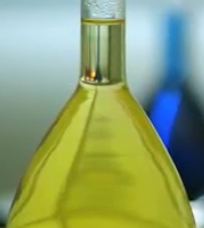
It appears as a yellowish liquid with a particularly intense camphor scent, almost insoluble in water, 70% soluble in ethanol, absolute ethanol, fat and oil.
What it is for and where
Eucalyptus globulus leaf oil is widely used in aromatherapy, personal care products, cleaning products, and as an ingredient in pharmaceuticals. Eucalyptus oil is known for its refreshing, decongestant, and antimicrobial properties. It is commonly used in products to relieve cold and cough symptoms, in lotions and ointments for muscle relief, and as a natural insect repellent. Additionally, it is used in cleaning products for its fresh scent and antibacterial properties.
Cosmetics
It is a restricted ingredient as III/355 a Relevant Item in the Annexes of the European Cosmetics Regulation 1223/2009.
INCI Functions:
Fragrance. It plays a very important role in the formulation of cosmetic products as it provides the possibility of enhancing, masking or adding fragrance to the final product, increasing its marketability. It is able to create a perceptible pleasant odour, masking a bad smell. The consumer always expects to find a pleasant or distinctive scent in a cosmetic product.
CAS 84625-32-1
EC number 283-406-2
Other uses
Applied topically, it demonstrates an analgesic effect and suppresses local allergic inflammation. Also useful on insect bites, chapped skin.
Natural cleanser for removing hard-to-remove stains or oil on carpets, fabrics, clothes.
Safety
Warning: not to bring this oil too close to the eyes as it may cause irritation.
For more information:
The Eucalyptus (Eucalyptus globulus) is a large plant that easily reaches 30 to 40 metres in height and thrives in temperate climate regions and belongs to the Myrtaceae family.
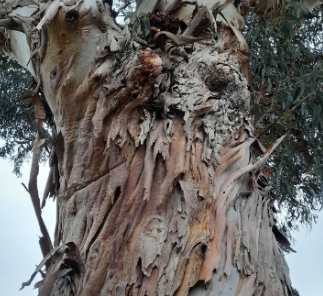
There are about 800 species of eucalyptus, including:
- Eucalyptus staigeriana
- Eucalyptus camaldulensis
- Eucalyptus pellita
- Eucalyptus regnans
- Eucalyptus grandis
- Eucalyptus urophylla
- Eucalyptus Sideroxylon
- Eucalyptus maidenii
- Eucalyptus robusta
- Eucalyptus citriodora
- Eucalyptus tereticornis
What it is used for and where
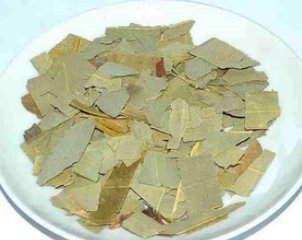
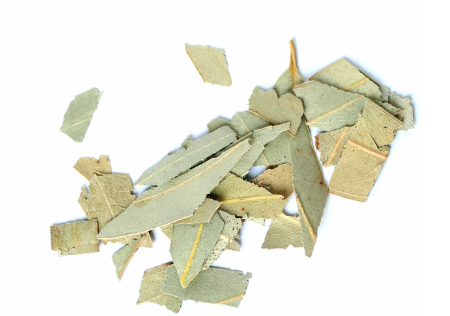
Its leaves are used to produce:
- oil that needs to be diluted (and not taken pure) against colds
- ointment to relieve muscle aches
- hot steam for cold inhaments
- mouthwashes against gingivitis and other oral tract infections
Eucalyptus is the primary food source for Koala living in Australia.
It is a primary source for the production of paper and cellulose in South America.
Studies
The most interesting ingredients, from a healthy point of view, of these plants are mainly alkaloids, flavonoids, pigments, phenolic, terpenes, amides, steroids and essential oils. Recent studies have exhibited its antimicrobial effects against bacterial, fungal, parasitic and viral agents (1).
Methanol extract (8:2) demonstrated significant anti-inflammatory activity through membrane stabilization protein denaturation inhibition, anti-lipoxygenase, and proteinase inhibition assays. (2).
Another interesting application of eucalyptus essential oil is its larvicide and insecticide potential and can therefore be used in the community in artificial water bodies as an eco-compatible vector control measure in the era of the resistance to chemical insecticides (3).
The data emerging from this study shed other health-oriented characteristics of the use of the aqueous extract of leaves of Eucalyptus globulus that can play an important role as an anti-hypertensive agent to reduce the burden of cardiovascular complications (4).
Typical commercial product characteristics
| Appearance | Colorless or faintly yellow liquid |
| 1,8-eucalyptus Content | 80% |
| Melting point | 179°C |
| Density | 0.909 -- 0.919 (20°C/20°C) |
| Refraction Index | 1.4590 -- 1.4650 (20°C) |
| Optical Rotation | +3° |
| Pb | ≤0.001 ppm |
| As | 0.8mg/kg |

