



Eucalyptus Globulus Leaf Powder is a compound of natural origin obtained from Eucalyptus. This powder is used in cosmetics, skincare products, and as a natural remedy for its antibacterial, anti-inflammatory, and decongestant properties.
Raw Materials and Their Functions
Eucalyptus Globulus Leaves. The leaves of the eucalyptus tree are rich in bioactive compounds such as eucalyptol (cineole), which imparts the powder's noted therapeutic properties.
Industrial Production Process of Eucalyptus Globulus Leaf Powder
- Drying the Eucalyptus Globulus leaves to reduce moisture content and concentrate the bioactive compounds.
- Grinding. The dried leaves are then finely ground to produce a powder. This process facilitates the use of the powder in various formulations and increases the surface area for the extraction of bioactive compounds.
- Quality Control. Eucalyptus Globulus leaf powder undergoes quality testing to ensure it meets the required standards in terms of purity, concentration of bioactive compounds, and particle size.
What it is for and where
It is used in cosmetic products, skincare products, and aromatherapy products. Eucalyptus leaf powder is valued for its refreshing, antimicrobial, and anti-inflammatory properties. It is commonly used in face masks, lotions, and balms for its purifying and soothing effect on the skin. Additionally, it is used in teas and infusions for its respiratory health benefits and as an ingredient in cleaning products for its fresh scent and antibacterial properties.
Cosmetics
Abrasive agent. It contains abrasive particles to remove stains or biofilm that accumulate on the stratum corneum or teeth. Baking soda, kieselguhr, silica and many others have abrasive properties. Peeling or exfoliating products used in dermatology or cosmetic applications contain abrasive agents in the form of synthetic microspheres, however these microspheres or abrasive particles are not biodegradable and create pollution in aquatic ecosystems.
CAS 84625-32-1
EC number 283-406-2
Form and Color
Eucalyptus Globulus Leaf Powder is typically a solid in the form of fine powder usually dark green in color.
The Eucalyptus (Eucalyptus globulus) is a large plant that easily reaches 30 to 40 metres in height and thrives in temperate climate regions and belongs to the Myrtaceae family.
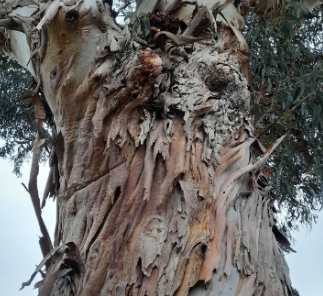
There are about 800 species of eucalyptus, including:
- Eucalyptus staigeriana
- Eucalyptus camaldulensis
- Eucalyptus pellita
- Eucalyptus regnans
- Eucalyptus grandis
- Eucalyptus urophylla
- Eucalyptus Sideroxylon
- Eucalyptus maidenii
- Eucalyptus robusta
- Eucalyptus citriodora
- Eucalyptus tereticornis
What it is used for and where
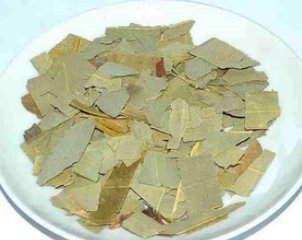
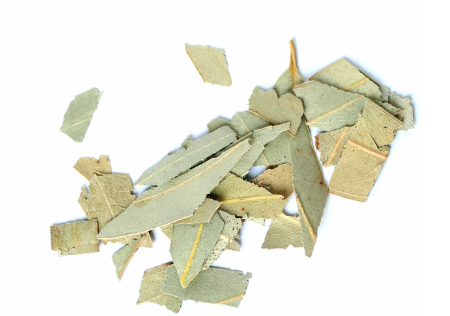
Its leaves are used to produce:
- oil that needs to be diluted (and not taken pure) against colds
- ointment to relieve muscle aches
- hot steam for cold inhaments
- mouthwashes against gingivitis and other oral tract infections
Eucalyptus is the primary food source for Koala living in Australia.
It is a primary source for the production of paper and cellulose in South America.
Studies
The most interesting ingredients, from a healthy point of view, of these plants are mainly alkaloids, flavonoids, pigments, phenolic, terpenes, amides, steroids and essential oils. Recent studies have exhibited its antimicrobial effects against bacterial, fungal, parasitic and viral agents (1).
Methanol extract (8:2) demonstrated significant anti-inflammatory activity through membrane stabilization protein denaturation inhibition, anti-lipoxygenase, and proteinase inhibition assays. (2).
Another interesting application of eucalyptus essential oil is its larvicide and insecticide potential and can therefore be used in the community in artificial water bodies as an eco-compatible vector control measure in the era of the resistance to chemical insecticides (3).
The data emerging from this study shed other health-oriented characteristics of the use of the aqueous extract of leaves of Eucalyptus globulus that can play an important role as an anti-hypertensive agent to reduce the burden of cardiovascular complications (4).
Typical commercial product characteristics
| Appearance | Colorless or faintly yellow liquid |
| 1,8-eucalyptus Content | 80% |
| Melting point | 179°C |
| Density | 0.909 -- 0.919 (20°C/20°C) |
| Refraction Index | 1.4590 -- 1.4650 (20°C) |
| Optical Rotation | +3° |
| Pb | ≤0.001 ppm |
| As | 0.8mg/kg |

