Beta Vulgaris Root Pulp Powder is a compound of natural origin derived from beet an ingredient mainly used in cosmetics and skin care products.
Raw Materials and Their Functions
Beta Vulgaris Root Pulp. The pulp of beetroot roots is rich in vitamins, minerals, antioxidants, and bioactive compounds such as betanin, which can contribute to improving the appearance and health of the skin.
Industrial Production Process
- Drying the pulp of Beta Vulgaris roots to remove moisture and concentrate the bioactive compounds.
- Grinding. The dried pulp is then finely ground to produce a powder. This process facilitates the use of the powder in various formulations and increases the surface area for the extraction of bioactive compounds.
- Quality Control. Beta Vulgaris root pulp powder undergoes quality testing to ensure it meets the required standards in terms of purity, concentration of bioactive compounds, and particle size.
Form and Color
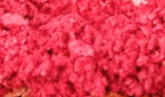
Beta Vulgaris products are usually in liquid or powder form. The color can vary from red to purple, depending on the concentration and extraction method.
What it is for and where
It is used in cosmetic products, skincare products, and in some food products. In cosmetics and skincare, beetroot pulp powder is valued for its antioxidant and moisturizing properties, as well as its ability to provide natural color. In food products, it is used as a natural colorant and for its nutritional properties, including minerals and vitamins.
Cosmetics
Abrasive agent. It contains abrasive particles to remove stains or biofilm that accumulate on the stratum corneum or teeth. Baking soda, kieselguhr, silica and many others have abrasive properties. Peeling or exfoliating products used in dermatology or cosmetic applications contain abrasive agents in the form of synthetic microspheres, however these microspheres or abrasive particles are not biodegradable and create pollution in aquatic ecosystems.
Absorbent. Absorbs substances dispersed or dissolved in aqueous solutions, water/oil, oil/water.
Anticaking agent. This compound facilitates free flow and prevents aggregation or clumping of substances in a formulation by reducing the tendency of certain particles to stick together.
CAS 89957-89-1 89957-90-4
EC number 289-610-8 289-611-3
Beet (Beta Vulgaris) belongs to the botanical family Chenopodiaceae is a plant that offers a number of health benefits and applications in medical and pharmaceutical fields.

Studies
Its leaves and roots are rich in bioactive compounds that have been shown to possess several therapeutic properties (1).
Antioxidant properties. Beet contains polyphenols, antioxidants that help reduce oxidative stress and prevent cell damage (2).
Anti-inflammatory effects. Compounds found in beet can reduce inflammation, making it beneficial for conditions such as arthritis and heart disease.
Antitumor activity. Some compounds in beets, such as betalains, have been studied for their potential to inhibit cancer cell growth (3).
Liver protection. Beet can help detoxify and protect the liver because of its cleansing properties (4).
References_____________________________________________________________________
(1) Clifford T, Howatson G, West DJ, Stevenson EJ. The potential benefits of red beetroot supplementation in health and disease. Nutrients. 2015 Apr 14;7(4):2801-22. doi: 10.3390/nu7042801. PMID: 25875121; PMCID: PMC4425174.
Abstract. In recent years there has been a growing interest in the biological activity of red beetroot (Beta vulgaris rubra) and its potential utility as a health promoting and disease preventing functional food. As a source of nitrate, beetroot ingestion provides a natural means of increasing in vivo nitric oxide (NO) availability and has emerged as a potential strategy to prevent and manage pathologies associated with diminished NO bioavailability, notably hypertension and endothelial function. Beetroot is also being considered as a promising therapeutic treatment in a range of clinical pathologies associated with oxidative stress and inflammation. Its constituents, most notably the betalain pigments, display potent antioxidant, anti-inflammatory and chemo-preventive activity in vitro and in vivo. The purpose of this review is to discuss beetroot's biological activity and to evaluate evidence from studies that specifically investigated the effect of beetroot supplementation on inflammation, oxidative stress, cognition and endothelial function.
(2) Hajihosseini S, Setorki M, Hooshmandi Z. The antioxidant activity of Beta vulgaris leaf extract in improving scopolamine-induced spatial memory disorders in rats. Avicenna J Phytomed. 2017 Sep-Oct;7(5):417-425.
Abstract. Objective: Medicinal plants have attracted global attention due to their safety as well as their considerable antioxidant content that helps to prevent or ameliorate various disorders including memory impairments. This study was conducted to investigate the effect of beet root (Beta vulgaris) leaf extract on scopolamine-induced spatial memory impairments in male Wistar rats....Conclusion: Our results suggested that B. vulgaris leaf extract could ameliorate the memory impairments and exhibited protective effects against scopolamine-induced oxidation. Further investigation is needed to isolate specific antioxidant compounds from B. vulgaris leaf extract with protective effect against brain and memory impairments.
(3) Lechner JF, Stoner GD. Red Beetroot and Betalains as Cancer Chemopreventative Agents. Molecules. 2019 Apr 23;24(8):1602. doi: 10.3390/molecules24081602.
Abstract. Carcinogenesis is the process whereby a normal cell is transformed into a neoplastic cell. This action involves several steps starting with initiation and followed by promotion and progression. Driving these stages are oxidative stress and inflammation, which in turn encompasses a myriad of aberrant gene expressions, both within the transforming cell population and the cells within the surrounding lesion. Chemoprevention of cancer with bioreactive foods or their extracted/purified components occurs via normalizing these inappropriate gene activities. Various foods/agents have been shown to affect different gene expressions. In this review, we discuss whereby the chemoprevention activities of the red beetroot itself may disrupt carcinogenesis and the activities of the water-soluble betalains extracted from the plant.
(4) Moreira LSG, Fanton S, Cardozo L, Borges NA, Combet E, Shiels PG, Stenvinkel P, Mafra D. Pink pressure: beetroot (Beta vulgaris rubra) as a possible novel medical therapy for chronic kidney disease. Nutr Rev. 2022 Apr 8;80(5):1041-1061. doi: 10.1093/nutrit/nuab074.




