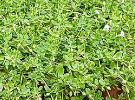
Bacopa Monnieri is the botanical name of a perennial herbaceous plant also known as Brahmi, traditionally used in Ayurvedic medicine.
Breakdown of the name:
- Bacopa refers to the genus "Bacopa", which belongs to the Plantaginaceae family. Plants in this genus are known for their medicinal properties.
- Monnieri is the specific epithet that distinguishes this species within the Bacopa genus. The name is a tribute to the French botanist Louis Guillaume Le Monnier.
Extracts, oils, and powders used in dietary supplements and brain health products are made from this plant for its nootropic properties-that is, it can improve memory and cognitive function (1).
Industrial Production of Bacopa Monnieri Water
- Water Extraction. The process begins with immersing or boiling the aerial parts of the Bacopa Monnieri plant in water. This allows the water-soluble bioactive compounds from the plant to transfer into the water.
- Distillation. In some cases, distillation may be used to extract the plant's volatile compounds into water, producing an aromatic water.
- Filtration and Purification. After extraction, the water is filtered and purified to remove plant particles and impurities.
- Quality Control. Bacopa Monnieri water undergoes quality testing to ensure it meets the required standards in terms of purity and concentration of bioactive compounds.
What it is for and where
This extract is widely used in dietary supplements and products aimed at enhancing cognitive functions. It is known for its nootropic properties, which can help improve memory, focus, and mental clarity (2). Additionally, in Ayurvedic medicine, Bacopa Monnieri is used for its adaptogenic properties, which can help manage stress and promote overall well-being. Useful in counteracting propionic bacteria, which cause acne (3) some components of this plant have revealed significant healing activity, effective for wound healing (4).
Cosmetics
Skin conditioning agent. It is the mainstay of topical skin treatment as it has the function of restoring, increasing or improving skin tolerance to external factors, including melanocyte tolerance. The most important function of the conditioning agent is to prevent skin dehydration, but the subject is rather complex and involves emollients and humectants that can be added in the formulation.
Form and Color
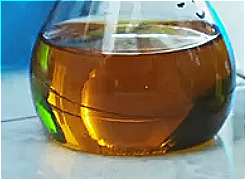
Products extracted from Bacopa Monnieri are generally available in both liquid and powder form. The color can vary from dark green to brown, depending on the extraction process and concentration.
References_____________________________________________________________________
(1) Calabrese C, Gregory WL, Leo M, Kraemer D, Bone K, Oken B. Effects of a standardized Bacopa monnieri extract on cognitive performance, anxiety, and depression in the elderly: a randomized, double-blind, placebo-controlled trial. J Altern Complement Med. 2008 Jul;14(6):707-13. doi: 10.1089/acm.2008.0018.
Abstract. Objectives: Study aims were to evaluate effects of Bacopa monnieri whole plant standardized dry extract on cognitive function and affect and its safety and tolerability in healthy elderly study participants. Design: The study was a randomized, double-blind, placebo-controlled clinical trial with a placebo run-in of 6 weeks and a treatment period of 12 weeks....Results: Controlling for baseline cognitive deficit using the Blessed Orientation-Memory-Concentration test, Bacopa participants had enhanced AVLT delayed word recall memory scores relative to placebo. Stroop results were similarly significant, with the Bacopa group improving and the placebo group unchanged. CESD-10 depression scores, combined state plus trait anxiety scores, and heart rate decreased over time for the Bacopa group but increased for the placebo group. No effects were found on the DAT, WAIS digit task, mood, or blood pressure. The dose was well tolerated with few adverse events (Bacopa n = 9, placebo n = 10), primarily stomach upset. Conclusions: This study provides further evidence that B. monnieri has potential for safely enhancing cognitive performance in the aging.
(2) Aguiar S, Borowski T. Neuropharmacological review of the nootropic herb Bacopa monnieri. Rejuvenation Res. 2013 Aug;16(4):313-26. doi: 10.1089/rej.2013.1431. PMID: 23772955; PMCID: PMC3746283.
Abstract. This review synthesizes behavioral research with neuromolecular mechanisms putatively involved with the low-toxicity cognitive enhancing action of Bacopa monnieri (BM), a medicinal Ayurvedic herb. BM is traditionally used for various ailments, but is best known as a neural tonic and memory enhancer. Numerous animal and in vitro studies have been conducted, with many evidencing potential medicinal properties. Several randomized, double-blind, placebo-controlled trials have substantiated BM's nootropic utility in humans. There is also evidence for potential attenuation of dementia, Parkinson's disease, and epilepsy. Current evidence suggests BM acts via the following mechanisms-anti-oxidant neuroprotection (via redox and enzyme induction), acetylcholinesterase inhibition and/or choline acetyltransferase activation, β-amyloid reduction, increased cerebral blood flow, and neurotransmitter modulation (acetylcholine [ACh], 5-hydroxytryptamine [5-HT], dopamine [DA]). BM appears to exhibit low toxicity in model organisms and humans; however, long-term studies of toxicity in humans have yet to be conducted. This review will integrate molecular neuroscience with behavioral research.
(3) Michael, A. (2021). A study on impact of medicinal plants Polyalthia longifolia and Bacopa monnieri with reference to acne treatment. Current Trends in Biotechnology and Pharmacy, 15(5), 401-405.
Abstract. One of the prerequisites for the success of primary health care is the availability and use of suitable drugs. Plants have always been a common source of medicaments, either in the form of traditional preparations or as pure active principles. Awareness of medicinal plants usage is a result of the many years of struggles against illnesses due to which man learned to pursue drugs in barks, seeds, fruit bodies, and other parts of the plants. Nowadays, researchers more than before are dependent on medicinal plants for discovery of new drugs with fewer side effects. Hence, it is need of the hour to screen for such novel plant sources and bring out its unexplored medical applications to cure and prevent lifestyle diseases like Acne. In this study, plant components were isolated and were studied against propionic bacteria, which cause acne in humans.
(4) Ghosh, T., Maity, T. K., Dash, D. K., & Boss, A. (2007). A study on wound healing activity of Bacopa monnieri Linn. aerial parts. Advances in Traditional Medicine, 7(2), 150-156.
Abstract. Bacopa monnieri is being used in the traditional system of medicine for a variety of ailments. In the present study, the ethanolic extract of Bacopa monnieri aerial parts has been studied for its wound healing activity using various models in rats. Significant increase in wound contraction and skin breaking strength were observed in the excision and incision wound models respectively. There was also significant increase in hydroxyproline content, DNA content, superoxide dismutase activity, catalase activity, glutathione level and decrease in the level of thiobarbituric acid reactive substances in the $12^{th}$ day post wounding tissue of experimental rats in the ethanol extract treated groups with respect to the control group. The effect of the extract was found to be comparable with the standard drug nitrofurazone. From the results it may be concluded that the plant Bacopa monnieri is endowed with significant wound healing activity, thereby justifying its use in the traditional medicine. Saponins may be responsible for the observed wound healing activity.




