



Sodium DNA, also known as the sodium salt of deoxyribonucleic acid, is a compound used in various sectors, including cosmetics and pharmaceuticals.
The name describes the structure of the molecule:
- Sodium is a chemical element with the symbol Na. It is a soft, silver-white, highly reactive alkali metal and is commonly found in many salts. In compound chemistry, sodium often acts as a cation, balancing the negative charges of other ions.
- DNA, or deoxyribonucleic acid, is the molecule that carries the genetic instructions used in the development and functioning of all known living organisms and some viruses. DNA is composed of two strands that wind around each other to form a double helix, held together by nitrogenous bases.
Raw Materials and Their Functions
Sodium DNA, also known as the sodium salt of deoxyribonucleic acid, is a compound used in various sectors, including cosmetics and pharmaceuticals. The raw materials involved in its production are:
Deoxyribonucleic Acid (DNA): Extracted from biological sources such as fish tissues or other organisms. DNA is the main component and provides the desired biochemical properties.
Sodium: Used to neutralize the DNA, forming the sodium salt. Sodium increases the solubility of DNA in water, making it more suitable for industrial applications.
Industrial Chemical Synthesis
- Preparation: The mixture is prepared by combining extracted DNA with a sodium hydroxide solution. This step neutralizes the DNA, forming the sodium salt.
- Purification: The solution is purified to remove impurities and non-reactive substances. This can include filtration, centrifugation, or chromatographic techniques.
- Concentration: The purified solution is concentrated, often by evaporating water, to increase the concentration of sodium DNA.
- Crystallization: The concentrated sodium DNA is induced to crystallize. This can be done by lowering the temperature or adding a crystallizing agent.
- Collection and Drying: The sodium DNA crystals are collected and dried to remove residual moisture, yielding the final product in solid form.
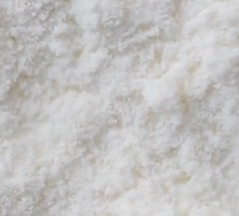
Form and Color.
Typically appears as a white fine powder
What it is for and where
Medical
Sodium DNA has the ability to improve gingival trophism (1).
Cosmetics
Skin conditioning agent. It is the mainstay of topical skin treatment as it has the function of restoring, increasing or improving skin tolerance to external factors, including melanocyte tolerance. The most important function of the conditioning agent is to prevent skin dehydration, but the subject is rather complex and involves emollients and humectants that can be added in the formulation.
Commercial applications:
Cosmetics and Dermatology. Sodium DNA is used in cosmetics and dermatology for its regenerating and moisturizing properties. It's known to contribute to skin cell repair and renewal (2).
Anti-Aging Products. Often found in anti-aging creams and serums, it helps reduce signs of skin aging, such as wrinkles and fine lines.
Skin Care. Used in products for treating damaged or stressed skin, providing a soothing and repairing effect.
Research and Development. Sodium DNA is the subject of ongoing studies and research to further explore its potential in dermatological and cosmetic applications.

