



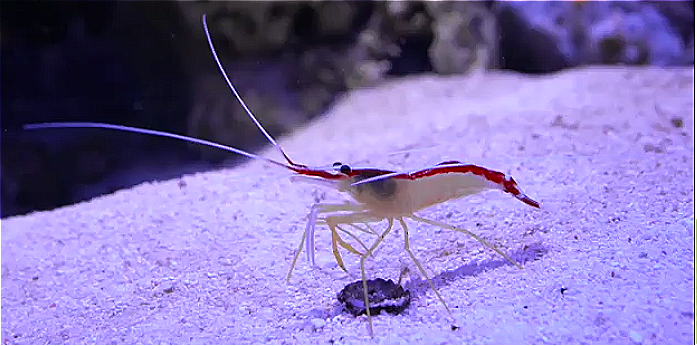
Shrimps belong to the order Decapoda, which also includes crabs and lobsters. There are thousands of shrimp species, varying greatly in size and color.
Habitat and Distribution:
Shrimp are found in nearly all aquatic environments, from shallow tropical waters to deep ocean depths and some species prefer freshwater environments like rivers and lakes, while others live exclusively in the sea.
Adaptations:
Shrimp have developed various adaptations for survival, such as the ability to camouflage with their surroundings. Some species have developed defense mechanisms, like the ability to squirt water or ink to escape predators.
Ecological Role:
Shrimp are crucial for the health of aquatic ecosystems. They serve as a food source for many animals, including fish, birds, and marine mammals. They contribute to cleaning the aquatic environment by feeding on debris and dead organisms.
Culinary Uses:
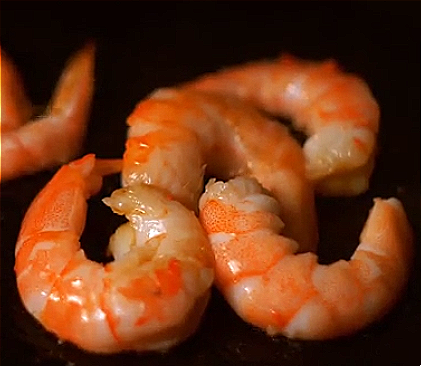
Shrimp are very versatile in cooking, used in a variety of dishes. They can be cooked in many ways: boiled, grilled, fried, or added to soups and salads.
Economic Impact:
Shrimp are one of the most important fishery resources globally. The shrimp industry is vital to the economy of many countries, especially those with coastlines.

