



Apple (Malus domestica Borkh) is the most cultivated fruit in the world and although it is not very nutritious, it provides the human body with a whole series of benefits due to its content.
Malus domestica, commonly known as the apple tree, is a deciduous tree cultivated for its edible fruit, the apple. Native to Central Asia, it has become one of the most widely grown fruit trees globally. Apples are valued for their taste, versatility, and numerous health benefits, making the apple tree a staple in orchards and home gardens.
Botanical Classification:
- Kingdom: Plantae
- Order: Rosales
- Family: Rosaceae
- Genus: Malus
- Species: Malus domestica
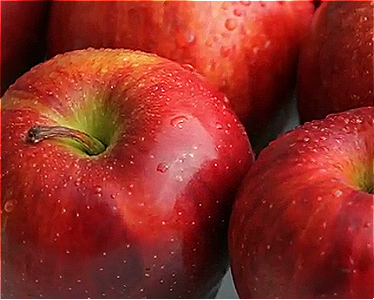
Plant Characteristics:
- Growth Form: The apple tree is a deciduous tree that typically reaches 4-10 meters (13-33 feet) in height. It has a rounded crown with spreading branches.
- Leaves: The leaves are ovate, with a serrated edge, and a dark green color. They measure about 5-12 cm (2-4.7 inches) in length and turn yellow or red in the fall.
- Flowers: Apple trees produce white to pink flowers with five petals, arranged in clusters. They bloom in spring and are known for their delicate fragrance.
- Fruit: The fruit is generally round, with a smooth skin that can be red, green, yellow, or a combination. Apples vary in size and taste, from sweet to tart. They are typically 5-10 cm (2-4 inches) in diameter.
Chemical Composition and Structure:
- Vitamins: Apples are rich in vitamin C (ascorbic acid), which supports the immune system and acts as an antioxidant.
- Polyphenols: Apples contain polyphenols, including quercetin and catechins, which have antioxidant properties and may contribute to heart health.
- Fiber: Apples are a good source of dietary fiber, primarily in the form of pectin, which supports digestive health and helps regulate blood sugar levels.
- Organic Acids: Malic acid is the primary organic acid in apples, contributing to their tart flavor and assisting in energy production within the body.
How to Cultivate It:
- Soil: Apple trees prefer well-drained, loamy soil with a slightly acidic to neutral pH (pH 6-7). They can tolerate a range of soil types but require good drainage to prevent root rot.
- Climate: Apple trees thrive in temperate climates with distinct seasons, including cold winters for dormancy and warm summers for fruit development. They require a chilling period of winter temperatures to ensure proper flowering and fruit set.
- Watering: Regular watering is important, especially during dry periods. The soil should be kept consistently moist but not waterlogged. Drip irrigation or soaker hoses can be used to maintain optimal moisture levels.
- Fertilization: Apple trees benefit from balanced fertilizers applied in early spring and late summer. Nitrogen, phosphorus, and potassium are essential for healthy growth and fruit production.
- Pruning: Pruning is important for maintaining tree shape, removing dead or diseased wood, and improving air circulation. Pruning should be done during the dormant season to enhance fruit quality and tree health.
- Propagation: Apple trees are commonly propagated through grafting onto rootstocks to ensure consistent fruit quality and disease resistance. They can also be grown from seeds, though this method is less common due to variability in fruit characteristics.
Uses and Benefits:
- Culinary: Apples are versatile in the kitchen. They can be eaten fresh, cooked, or used in a variety of dishes such as pies, crisps, and sauces. Apple juice, cider, and vinegar are also popular products made from apples.
- Health Benefits: Apples are known for their health benefits, including improving heart health, supporting weight management, and aiding digestion. The high fiber and antioxidant content contribute to overall well-being.
- Cosmetic: Apple extracts are used in skincare products for their antioxidant properties. They can help to rejuvenate the skin and provide hydration.
Applications:
- Food and Beverage: Apples are used in a wide range of culinary applications, from fresh consumption to cooking and baking. Apple cider, vinegar, and various apple-based products are commonly consumed.
- Cosmetics and Personal Care: Apple extracts and apple-derived ingredients are included in skincare and haircare products for their nourishing and antioxidant properties.
- Household: Apple cider vinegar is often used as a natural cleaning agent and in home remedies due to its antibacterial properties.
Environmental and Safety Considerations:
- Environmental Impact: Apple cultivation can have environmental impacts, including water usage and pesticide application. Sustainable farming practices, such as integrated pest management and organic methods, can help reduce these effects.
- Safety: Apples are generally safe to eat and use. However, non-organic apples may have pesticide residues. Washing fruits thoroughly or choosing organic options can help minimize exposure to chemicals.
Studies
Apple has antioxidant properties (1) especially on the fats of the cell membrane and therefore helps to combat vascular diseases such as atherosclerosis and other forms of cardiovascular problems.
Another important function is to regulate the balance of blood sugar, stimulating the cells of the pancreas to produce the right dose of insulin (2).
Other studies have shown the effectiveness of apples in reducing the risks of asthma and aging.
Raw or cooked apples are also an excellent digestive aid.
Phlorizin , a glucoside compound found in the bark of apples, in quantities of 100ug/ml has demonstrated a protective antioxidant effect on DNA damage and cellular apoptosis (3).
Among the polyphenols present, cyanidin-3-galactoside, catechin, epicatechin and proanthocyanidin in an apple extract reduced free radicals by inducing apoptosis of cancer cells. Among the apples varieties, red apples were most effective against BGC-803 cancer cells (4).
Phldz (phloretin 2′-O-glucose), a phenylpropanoid found only in apples, and Phlor, a direct derivative thereof, exert an anti-inflammatory function in the intestine, improving the symptoms of intestinal inflammation (5).
In a crossover study involving 30 participants, a high intake of apples improved endothelial function, blood pressure and arterial rigidity both acutely and chronically (6). The cardioprotective role of the apple can therefore be confirmed.

