



Sodium Hydrogen Carbonate (bicarbonate of soda) is a chemical compound with the formula NaHCO3, commonly also known as baking soda. It is a sodium salt of carbonic acid and is known for its numerous applications, including use in cooking as a leavening agent and in medicine as an antacid.
The name describes the structure of the molecule.
- Sodium is a chemical element and an essential mineral for the human body, involved in many cellular and physiological functions.
- Hydrogen is the lightest and most abundant chemical element in the universe.
- Carbonate is a salt of carbonic acid characterized by the presence of the carbonate anion, CO3^2-.
Description of raw materials used in production.
- Raw materials for producing sodium bicarbonate include sodium carbonate, water, and carbon dioxide.
Step-by-step summary of industrial production process.
- Ammonia. Sodium carbonate is first dissolved in water and subsequently reacts with ammonia.
- Reaction with carbon dioxide. Ammonia, carbon dioxide, and sodium carbonate react, forming ammonium bicarbonate and sodium bicarbonate.
- Precipitation. Sodium bicarbonate precipitates from the solution, while ammonium bicarbonate remains dissolved.
- Separation and purification. The precipitated sodium bicarbonate is then separated, washed, and purified.
- Drying. After purification, the sodium bicarbonate is dried and can be milled into a fine powder for various industrial applications.
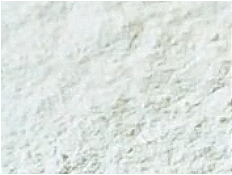
Form and color.
Sodium bicarbonate appears as a white crystalline powder.
Commercial applications.
Sodium bicarbonate is used across various industries, including the food industry as a leavening agent, household cleaning, personal care in bath and mouth products, and in industrial and medicinal applications to neutralize acids.
Food Use. Sodium bicarbonate, also known as baking soda, is widely used as a leavening agent in baked goods such as cakes and bread.
Cleaning Products. This compound is a common ingredient in many cleaners and cleaning products due to its scrubbing and deodorizing properties.
Personal Care. It can be found in some personal hygiene products like toothpaste and deodorants due to its antibacterial and neutralizing properties.
Medicine. Sodium bicarbonate is also used to treat heartburn and acid reflux by neutralizing stomach acid.
Industrial Use. In industry, it is used in production and cleaning processes.
Cosmetics
Abrasive agent. It contains abrasive particles to remove stains or biofilm that accumulate on the stratum corneum or teeth. Baking soda, kieselguhr, silica and many others have abrasive properties. Peeling or exfoliating products used in dermatology or cosmetic applications contain abrasive agents in the form of synthetic microspheres, however these microspheres or abrasive particles are not biodegradable and create pollution in aquatic ecosystems.
Buffering agent. It is an iingredient that can bring an alkaline or acid solution to a certain pH level and prevent it from changing, in practice a pH stabiliser that can effectively resist instability and pH change.
Deodorant agent. When substances that give off an unpleasant odour are included in cosmetic formulations (typical examples are methyl mercaptan and hydrogen sulphide derived from garlic), deodorants attenuate or eliminate the unpleasant exhalation. It helps counteract the formation of bad odours on body surfaces.
Oral care agent. This ingredient can be placed in the oral cavity to improve and/or maintain oral hygiene and health, to prevent or improve a disorder of the teeth, gums, mucous membrane. It provides cosmetic effects to the oral cavity as a protector, cleanser, deodorant.
Skin protectant. It creates a protective barrier on the skin to defend it from harmful substances, irritants, allergens, pathogens that can cause various inflammatory conditions. These products can also improve the natural skin barrier and in most cases more than one is needed to achieve an effective result.
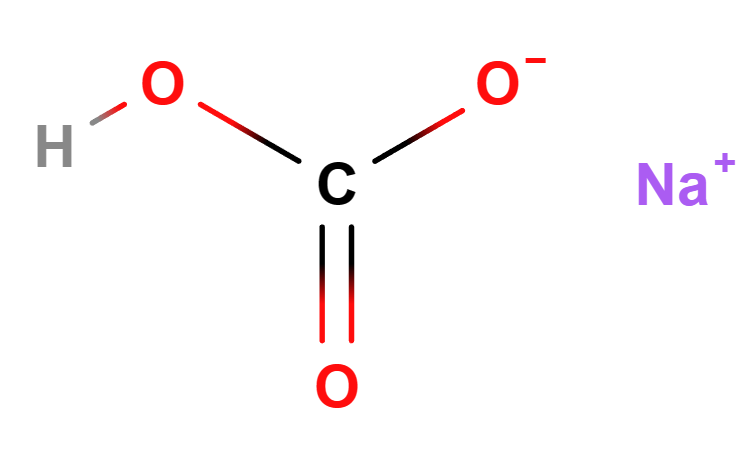 | 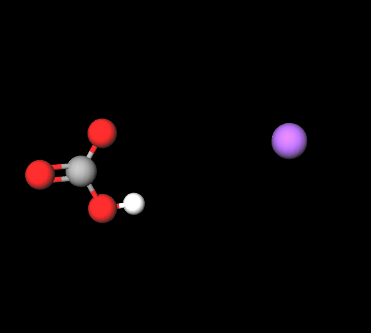 |
- Molecular Formula CHNaO3
- Molecular Weight 84.007 g/mol
- CAS 144-55-8
- UNII 8MDF5V39QO
- EC Number 205-633-8
- DTXSID9021269

