



Mustard Flour
Botanical origin: seeds of Brassicaceae — chiefly Sinapis alba (yellow/white), Brassica juncea (brown/Indian), Brassica nigra (black).
Definition: finely milled mustard seed product, sometimes partially/fully defatted to raise protein and reduce oil. Particle size is controlled; may include hull and endosperm fractions depending on grade.
Form and color.
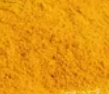
Mustard flour is a fine powder and can vary in color from pale yellow to brown, depending on the variety of seeds used. It has a characteristic spicy flavor.
Caloric value (indicative)
Full-fat (non-defatted): ~450–520 kcal/100 g.
Partially/fully defatted: ~300–380 kcal/100 g (higher protein/fiber, lower oil).
Typical composition (dry basis; species/defatting dependent)
Protein: ~25–40% (higher when defatted)
Fat: ~8–36% — oil profile dominated by MUFA/PUFA, low SFA (see legend)
Total carbohydrate: ~20–35%
Dietary fiber: ~10–14% (includes mucilage polysaccharides)
Ash/Minerals: Ca, Mg, K, P, Fe, Zn
Actives: glucosinolates (e.g., sinigrin, sinalbin) and myrosinase (activity depends on heat treatment)
Phytochemistry & heat mechanism
Adding water activates myrosinase, hydrolyzing glucosinolates to isothiocyanates (e.g., allyl isothiocyanate, AITC in brown/black; p-hydroxybenzyl isothiocyanate in yellow). These volatiles drive pungency and aroma.
Low pH and high heat inactivate myrosinase and/or degrade isothiocyanates, yielding a milder heat.
Techno-functional properties
Co-emulsifier/stabilizer: improves mayonnaise/dressings stability and powder wetting/dispersion.
Thickening/body: mucilage contributes to viscosity and mouthfeel.
Mild antimicrobial: isothiocyanates inhibit yeasts/bacteria—useful in pickles/brines (hurdle effect).
Flavor masking: helps mute oxidized/metallic notes in sauces/meats.
Granulation: finer = faster enzyme–substrate contact and hotter release; coarser = slower release.
Manufacture & treatments
Seed cleaning → milling (stone/roller/pin) → optional defatting (mechanical or food-grade solvent) → sieving/grading → optional heat treatment (micro reduction; tunes myrosinase) → standardization (color/moisture).
“English” vs “Dijon-style” flours mainly reflect species selection and fineness.
Applications & indicative use levels
Sauces/emulsions: 0.2–0.6% for heat + stabilization.
Prepared mustards: blend with water (enzyme activation) + acid (vinegar/wine) + salt, optional sugar/spices; cold maturation develops aroma.
Pickles/brines: 0.1–0.4% for flavor and mild antimicrobial action.
Meats/process: in rubs/injections for flavor and shelf-life support.
Bakery/snacks: 0.2–1% for aromatic lift and modest spoilage control.
Quality & specifications
Moisture typically ≤10% to prevent caking/microbial growth.
Oxidation: if not defatted, protect oil fraction from light/oxygen (rancidity).
Enzyme activity: declare active/inactive myrosinase grades for formulation.
Color/particle size: consistent with species—yellow is lighter/milder; brown/black darker/hotter.
Safety, allergens & regulatory
In the EU, mustard is a major allergen → mandatory labeling for seed/flour/extracts (and oils with residual proteins).
Irritant potential: AITC vapors/pastes can trigger lacrimation, rhinitis, and contact dermatitis—avoid aerosols; ensure ventilation.
Goitrogenicity: excessive long-term glucosinolate intake may affect iodine–thyroid axis; normal culinary use is not a concern.
Residual oil: for non-defatted flours, edible oil should derive from low-erucic cultivars compliant with EU/FAO/WHO limits for erucic acid (C22:1).
Storage & shelf life
Keep cool, dry, dark, in airtight packaging; segregate from humidity/odors.
Once hydrated, heat develops but AITC is volatile—seal and refrigerate sauces; some loss of heat over time is normal.
Defatted flours are more oxidatively stable but may taste slightly more astringent.
Troubleshooting
Weak heat in condiment: increase activation water, tune pH (too low halts myrosinase early), extend cold maturation (12–24 h).
Emulsion break: raise flour to 0.3–0.6%, add lecithin, or adjust solids/shear and pH.
Excess bitterness: prefer yellow flour (sinalbin), temper time/temperature, and balance with sugar/honey.
Species sensory notes
Yellow/white (S. alba): pale color, mild–sweet heat—ideal for delicate dressings.
Brown (B. juncea)/Black (B. nigra): darker, hotter (AITC)—suited to Dijon/hot mustards and curries.
Sustainability & supply
Grown in temperate regions; favor crop rotations, moderated nitrogen inputs, and disease management. Organic and residue-controlled chains are available; seek traceability.
Conclusion
Mustard flour is a multi-functional ingredient combining pungency, emulsion support, and mild antimicrobial effects. By managing water–pH–time and choosing the species/grade, you can tailor flavor and functionality. Pay attention to allergen labeling, AITC irritation, oil oxidation (if full-fat), and storage to maintain quality.
Lipid acronym mini-legend (quick reference)
MUFA = MonoUnsaturated Fatty Acids: generally heart-friendly; support an improved lipid profile.
PUFA = PolyUnsaturated Fatty Acids: include Omega-3 and Omega-6; beneficial, but keep a reasonable Ω-6:Ω-3 balance.
SFA = Saturated Fatty Acids: limit/moderate; health impact depends on overall diet and replacement nutrients.
ALA / EPA / DHA (Omega-3): beneficial for heart/brain; strongest evidence for EPA/DHA.
TFA = Trans Fatty Acids: avoid; linked to higher cardiovascular risk.
MCT = Medium-Chain Triglycerides: rapidly absorbed/oxidized; useful in specific contexts, but still count toward calories.
Studies
Oily crops contain high levels of tocopherols, which prevent the oxidation of lipids and thus contribute to improving the longevity of the seeds (1).
Because of their non-polar nature, tocopherols become part of seed oil after oil extraction, where they play a key role as antioxidants in vitro and in vivo. In vitro, tocopherols are the main compounds that protect the oil from lipid peroxidation, which causes the absence of flavors and the reduction of shelf life (2).
In vivo activity of tocopherols is exercised in the human or animal body after they are consumed in the diet or in vitamin supplements, where they protect cells from oxidative stress (3).
Mustard contains substances of interest for human health such as (4) :
- Erucic acid
- Vitamin E
- Alpha tocopherol
- Gamma tocopherol
The fatty acid profile in yellow mustard (Brassica alba) is dominated by erucic acid with 6.87%, followed by oleic acid with 5.08% and linoleic acid with 1.87%, while in black mustard (Brassica nigra) the predominant fatty acid is oleic with 22.96%, followed by linoleic with 6.63% and linolenic with 3.22% (5).
Safety
Mustard has been commonly used in homeopathic and traditional medicines, where it is believed to have anti-microbial and anti-inflammatory properties and in the treatment of ailments ranging from arthritis to respiratory congestion. This case highlights the potential danger of misuse of homeopathic homeopathic DIY remedies such as mustard powder (6).
Mustard studies

