Chocolate liquor è ottenuto dai semi del cacao (Theobroma cacao). Questi semi, o fave di cacao, sono la materia prima principale.
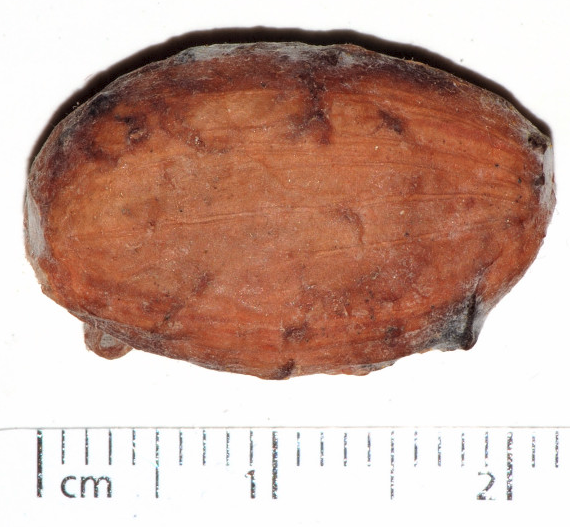
Nonostante il nome possa suggerire diversamente, Chocolate liquor non contiene alcol. Si tratta di cacao puro macinato a una pasta liquida composto principalmente da cacao solido e burro di cacao.
Riassunto passo-passo del processo di sintesi chimica industriale.
- Le fave di cacao vengono raccolte e fermentate.
- Dopo la fermentazione, le fave vengono essiccate al sole.
- Una volta essiccate, vengono tostate.
- Le fave tostate vengono quindi sgusciate per rimuovere la buccia esterna, lasciando i nib di cacao.
- I nib vengono macinati fino a ottenere una pasta fluida, che è il liquore di cacao.
Medicina
Il cacao contiene polifenoli che possono ridurre i rischi cardiovascolari (1).
Applicazioni commerciali.
È la base per la produzione di vari prodotti al cacao, come cioccolato, cacao in polvere e burro di cacao.
Bibliografia_____________________________________________________________________
(1) Yazdekhasti N, Brandsch C, Hirche F, Kühn J, Schloesser A, Esatbeyoglu T, Huebbe P, Wolffram S, Rimbach G, Stangl GI. Impact of chocolate liquor on vascular lesions in apoE-knockout mice. Clin Sci (Lond). 2017 Oct 12;131(20):2549-2560. doi: 10.1042/CS20170279.
Abstract. Cocoa polyphenols are thought to reduce the risk of cardiovascular diseases. Thus, cocoa-containing foods may have significant health benefits. Here, we studied the impact of chocolate liquor on vascular lesion development and plaque composition in a mouse model of atherosclerosis. Apolipoprotein E (apoE)-knockout mice were assigned to two groups and fed a Western diet that contained 250 g/kg of either chocolate liquor or a polyphenol-free isoenergetic control paste for 16 weeks. In addition to fat, protein, and fibers, the chocolate liquor contained 2 g/kg of polyphenols. Compared with the control group, mice fed the chocolate liquor had larger plaque areas in the descending aorta and aortic root, which were attributed to a higher mass of vascular smooth muscle cells (VSMCs) and collagen. Vascular lipid deposits and calcification areas did not differ between the two groups. The aortic tissue level of interleukin-6 (IL-6) mRNA was 5-fold higher in the mice fed chocolate liquor than in the control mice. Chocolate-fed mice exhibited an increased hepatic saturated to polyunsaturated fatty acid ratio than the controls. Although the chocolate liquor contained 14 µg/kg of vitamin D2, the chocolate liquor-fed mice did not have measurable 25-hydroxyvitamin D2 in the serum. These mice even showed a 25% reduction in the level of 25-hydroxyvitamin D3 compared with the control mice. Overall, present data may contribute to our understanding how chocolate constituents can impact vascular lesion development. © 2017 The Author(s). Published by Portland Press Limited on behalf of the Biochemical Society.




