



Acrylates/Beheneth-25 Methacrylate Copolymer is a chemical compound, formed by the copolymerization of acrylate and methacrylate monomers with a beheneth-25 alkyl chain.
The name describes the structure of the molecule:
- "Acrylates". This part of the name indicates monomers derived from acrylic acid that can be polymerized.
- "Beheneth-25". This indicates an alkyl chain with 25 carbon atoms derived from behenic acid.
- "Methacrylate". Indicates monomers derived from methacrylic acid.
- "Copolymer". This term indicates that the polymer is formed from at least two different types of monomers.
Description of the raw materials used in production and their functions:
- Acrylates. These are esters of acrylic acid and are common monomers used in polymer production. They act as building blocks in constructing the polymer and largely determine the properties of the resulting polymer.
- Beheneth-25 Methacrylate. This is a specific type of methacrylate ester which has a long alkyl chain (beheneth-25) attached to it. It contributes to certain properties of the polymer such as solubility in particular oils and solvents.
Step-by-step industrial synthesis:
- Acrylates and Beheneth-25 Methacrylate are mixed in a reactor under controlled conditions.
- An initiator is added to the mixture to start the polymerization reaction.
- The mixture is heated to facilitate the reaction.
- As the reaction proceeds, the monomers link together forming the desired copolymer.
- Once the reaction is complete, the resulting copolymer is cooled, purified, and then dried.
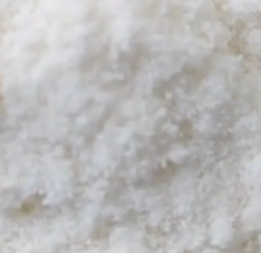
It appears in the form of a white powder.
What it is for and where
Cosmetics
Viscosity control agent. It controls and adapts, Increasing or decreasing, viscosity to the required level for optimal chemical and physical stability of the product and dosage in gels, suspensions, emulsions, solutions.
Commercial Applications
Hair Care Products. This copolymer is frequently used in hair care products such as shampoos and conditioners. It acts as a thickening agent and emulsion stabilizer.
Cosmetics. It can be used in a variety of cosmetic products including lotions, creams, and makeup items, where it functions as a thickening agent, stabilizing agent, and film former.

