



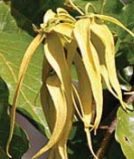
Cananga Odorata Flower Oil is a product of natural origin obtained from the flowers of the Cananga Odorata tree also known as "ylang-ylang" and belonging to the botanical family Annonaceae.
The name describes the structure of the molecule:
- "Cananga Odorata" is the scientific name for the plant commonly known as Ylang Ylang.
- "Flower Oil" indicates that the product is an essential oil obtained from the flowers of the plant.
Description of raw materials used in production and their functions.
- Cananga Odorata Flowers (Ylang-Ylang). They are the primary raw material from which the oil is extracted. The oil contains various aromatic compounds, including geraniol, linalool, and benzyl benzoate, which give it its distinctive scent and is widely used in perfumery for its sweet and floral scent. It also has calming properties and is used in aromatherapy and skincare products.
- Water or steam. Used to distill the essential oil from the flowers.
Step-by-step summary of industrial chemical synthesis process.
- Harvesting of flowers. Ylang-Ylang flowers are harvested, usually at dawn when their aroma is at its peak.
- Preparation. The flowers are laid out in distillation apparatus.
- Steam distillation. Water in the distillation apparatus is heated to produce steam. The steam passes through the flowers, extracting the essential oil, and then cools and condenses.
- Separation. The Ylang-Ylang essential oil is separated from the water.
What it is for and where
Cosmetics
It is a restricted ingredient as III/347 a Relevant Item in the Annexes of the European Cosmetics Regulation 1223/2009. The presence of the substance or substances shall be indicated as ‘Cananga Odorata Oil/Extract’ in the list of ingredients referred to in Article 19(1), point (g), when the concentration exceeds of the substance or substances: — 0,001 % in leave-on products — 0,01 % in rinse-off products.
Fragrance. It plays a very important role in the formulation of cosmetic products as it provides the possibility of enhancing, masking or adding fragrance to the final product, increasing its marketability. It is able to create a perceptible pleasant odour, masking a bad smell. The consumer always expects to find a pleasant or distinctive scent in a cosmetic product.
Perfuming. Unlike fragrance, which can also contain slightly less pleasant or characteristic odours, the term perfume indicates only very pleasant fragrances. Used for perfumes and aromatic raw materials.
CAS 83863-30-3 8006-81-3 68606-83-7
EC number 281-092-1
Safety
The EFSA Panel issued a scientific opinion on the safety and efficacy of an essential oil derived from the flowers of Cananga odorata and found that this oil should be regarded as irritating to the skin and eyes and as a skin and respiratory sensitizer (1).
Commercial Applications
Perfumery. Cananga Odorata Flower Oil, known as Ylang-Ylang oil, is extensively used in perfume making for its sweet and floral scent.
Cosmetics and Personal Care. It's utilized in skin and hair care products for its aromatic properties and potential moisturizing benefits.
Aromatherapy. Ylang-Ylang oil is popular in aromatherapy for its purported relaxing and stress-relieving properties.

