Tilia Platyphyllos Flower Extract è un composto naturale estratto dei fiori del Tiglio, famiglia botanica Tilia platyphyllos, Tiliaceae.
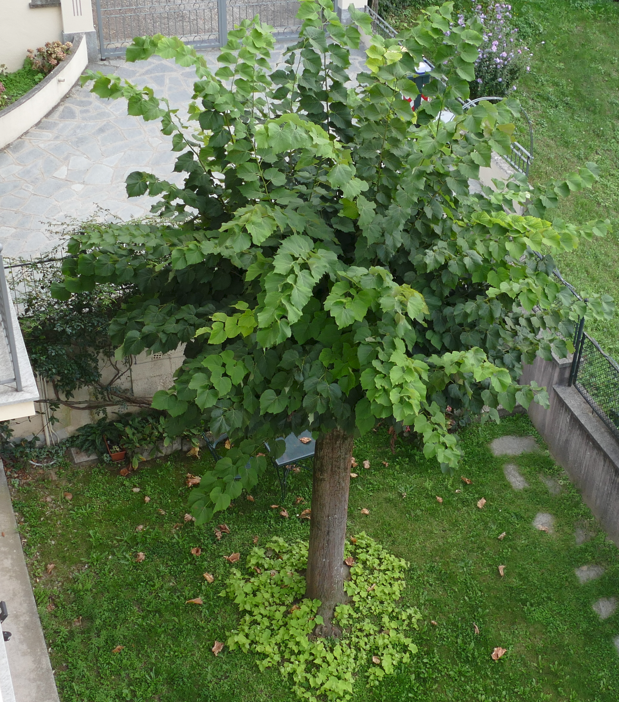
Il nome definisce la struttura dell'ingrediente
- "Tilia" è il genere botanico a cui appartiene la pianta. Le piante di questo genere sono comunemente note come tigli.
- "Platyphyllos": la specie specifica all'interno del genere Tilia. Questa pianta è comunemente nota come "Tiglio a grandi foglie" o "Tiglio europeo a grandi foglie".
- "Flower Extract": il prodotto è un estratto derivato dai fiori di questa pianta.
Descrizione delle materie prime utilizzate nella produzione
- Fiori di Tilia Platyphyllos. I fiori freschi o secchi sono la principale materia prima.
- Solvente. Acqua, alcol, o altri solventi organici possono essere utilizzati per estrarre i composti desiderati dai fiori.
- Conservanti. A volte aggiunti per prolungare la durata dell'estratto.
Riassunto dettagliato del processo di produzione.
- Raccolta. I fiori di Tilia Platyphyllos vengono raccolti, preferibilmente quando sono completamente sbocciati.
- Preparazione. I fiori possono essere utilizzati freschi o essere essiccati per conservarli.
- Estrazione. I fiori vengono immersi nel solvente per un periodo determinato, permettendo ai composti desiderati di essere estratti.
- Filtrazione. Il liquido viene filtrato per rimuovere particelle solide e impurità.
- Evaporazione. Se utilizzato, l'alcol o altri solventi organici vengono evaporati, lasciando dietro l'estratto concentrato.
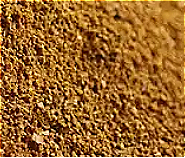
Si presenta in forma di polvere marrone
A cosa serve e dove si usa
Medicina
Gli stratti idroetanolici di Tilia Platyphyllos sono ricchi di composti fenolici ed hanno mostrato in vitro proprietà antiossidanti, antinfiammatorie, antitumorali (1). L'epicatechina, l'acido fenolico, l'acido protocatechuico presenti in quantità più abbondante hanno mostrato un potenziale antiossidante, antinfiammatorio e antitumorale (2).
Applicazioni mediche
Proprietà calmanti. In erboristeria, l'estratto di fiore di Tilia Platyphyllos è a volte usato per le sue proprietà calmanti, specialmente in preparati per aiutare a rilassare e calmare la mente e il corpo.
Cosmetica
Agente condizionante della pelle. Rappresenta il perno del trattamento topico della pelle in quanto ha la funzione di ripristinare, aumentare o migliorare la tolleranza cutanea a fattori esterni, compresa la tolleranza dei melanociti. La funzione più importante dell'agente condizionante è prevenire la disidratazione della pelle, ma il tema è piuttosto complesso e coinvolge emollienti ed umettanti che possono essere aggiunti nella formulazione.
CAS 91770-16-0
EC number 294-800-9
Applicazioni Commerciali
Cosmetica e cura della pelle. L'estratto di fiore di Tilia Platyphyllos (Linden) è noto per le sue proprietà calmanti e rinfrescanti. Può essere utilizzato in lozioni, creme e tonici.
Prodotti per il bagno. Grazie alle sue proprietà lenitive, può essere trovato in bagnoschiuma e saponi.
Prodotti per la cura dei capelli. L'estratto può essere aggiunto a shampoo e balsami per le sue proprietà emollienti.
Bibliografia_____________________________________________________________________
(1) Ferreira T, Nascimento-Gonçalves E, Macedo S, Borges I, Gama A, M Gil da Costa R, Neuparth MJ, Lanzarin G, Venâncio C, Félix L, Gaivão I, Alvarado A, Pires MJ, Bastos MMSM, Medeiros R, Nogueira A, Barros L, Ferreira ICFR, Rosa E, Oliveira PA. Toxicological and anti-tumor effects of a linden extract (Tilia platyphyllos Scop.) in a HPV16-transgenic mouse model. Food Funct. 2021 May 11;12(9):4005-4014. doi: 10.1039/d1fo00225b. PMID: 33978005.
Abstract. Tilia platyphyllos Scop. is a popular broad-leaved tree, native to Central and Southern Europe. Hydroethanolic extracts rich in phenolic compounds obtained from T. platyphyllos Scop. have shown in vitro antioxidant, anti-inflammatory and antitumor properties. The aim of this work was to evaluate the therapeutic properties of a hydroethanolic extract obtained from T. platyphyllos in HPV16-transgenic mice. The animals were divided into eight groups according to their sex and phenotype. Four groups of female: HPV+ exposed to linden (HPV linden; n = 6), HPV+ (HPV water; n = 4), HPV- exposed to linden (WT linden; n = 5) and HPV- (WT water; n = 4) and four groups of male: HPV+ exposed to linden (HPV linden; n = 5), HPV+ (HPV water; n = 5), HPV- exposed to linden (WT linden; n = 5) and HPV- (WT water; n = 7). The linden (Tilia platyphyllos Scop.) extract was orally administered at a dose of 4.5 mg/10 mL per animal (dissolved in water) and changed daily for 33 days. The hydroethanolic extract of T. platyphyllos consisted of protocatechuic acid and (-)-epicatechin as the most abundant phenolic acid and flavonoid, respectively, and was found to be stable during the studied period. In two male groups a significant positive weight gain was observed but without association with the linden extract. Histological, biochemical, and oxidative stress analyses for the evaluation of kidney and liver damage support the hypothesis that the linden extract is safe and well-tolerated under the present experimental conditions. Skin histopathology does not demonstrate the chemopreventive effect of the linden extract against HPV16-induced lesions. The linden extract has revealed a favourable toxicological profile; however, additional studies are required to determine the chemopreventive potential of the linden extract.
(2) Jabeur I, Martins N, Barros L, Calhelha RC, Vaz J, Achour L, Santos-Buelga C, Ferreira IC. Contribution of the phenolic composition to the antioxidant, anti-inflammatory and antitumor potential of Equisetum giganteum L. and Tilia platyphyllos Scop. Food Funct. 2017 Mar 22;8(3):975-984. doi: 10.1039/c6fo01778a.
Abstract. Naturally-occurring phytochemicals have received pivotal attention in the last few years, due to the increasing evidence of biological activities. Thus, in the present study, the antioxidant, anti-inflammatory and antitumor potentials of hydroethanolic extracts rich in phenolic compounds obtained from Equisetum giganteum L. and Tilia platyphyllos Scop. were assessed and directly correlated with their content of phenolic compounds, by using HPLC-DAD-ESI/MS analysis. T. platyphyllos showed the higher bioactive potential, evaluated in terms of antioxidant (radical scavenging effects - 105 μg mL-1, reducing power - 123 μg mL-1, β-carotene bleaching inhibition - 167 μg mL-1, and lipid peroxidation inhibition - 56 μg mL-1), anti-inflammatory (225 μg mL-1 inhibited 50% of nitric oxide production) and antitumor (breast - 224 μg mL-1; lung - 247 μg mL-1; cervical - 195 μg mL-1 and hepatocellular - 173 μg mL-1 carcinoma cells) activity, without having cytotoxic effects (>400 μg mL-1). These biological properties were positively correlated with its content and composition of phenolic compounds. Flavonoid contents were markedly higher than the content of phenolic acids, in both samples, being respectively 50.4 mg g-1 and 11.65 mg g-1 for T. platyphyllos, and 21.7 mg g-1 and 4.98 mg g-1 for E. giganteum. Moreover, while in E. giganteum extract, kaempferol-O-glucoside-O-rutinoside was the most abundant flavonoid, in T. platyphyllos extract protocatechuic acid and (-)-epicatechin were the most abundant phenolic acid and flavonoid, respectively. In relation to their content of phenolic acids, protocatechuic and caffeic acids existed in higher abundance in T. platyphyllos and E. giganteum hydroethanolic extracts, respectively. However, it would be interesting to evaluate the in vivo efficacy of both plant extracts to unveil the involved modes of action and to establish effective therapeutic doses.




