



Pyridoxine Dipalmitate is a chemical compound, an esterified derivative of vitamin B6 (Pyridoxine).
The name describes the structure of the molecule
- "Pyridoxine". This is another name for Vitamin B6. Vitamin B6 is essential for protein metabolism and the production of neurotransmitters in the body.
- "Dipalmitate". This indicates that the pyridoxine molecule is esterified with two molecules of palmitic acid, a common saturated fatty acid.
Description of raw materials used in production
- Pyridoxine - A form of Vitamin B6.
- Palmitic Acid - A saturated fatty acid.
Step-by-step summary of industrial chemical synthesis process
- Preparation - Pyridoxine and palmitic acid are purified and prepared for reaction.
- Esterification - The esterification reaction takes place between pyridoxine and palmitic acid in the presence of a catalyst, often an acid. During this reaction, two molecules of palmitic acid bond with pyridoxine.
- Purification - Once the reaction is complete, the esterified product (Pyridoxine Dipalmitate) is purified through various methods like filtration, distillation, or chromatography.
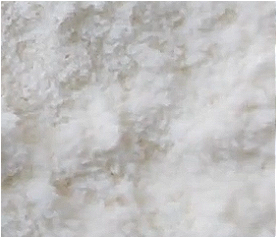
It appears in the form of a white powder.
What it is for and where
Cosmetics
Antistatic agent. Static electricity build-up has a direct influence on products and causes electrostatic adsorption. The antistatic ingredient reduces static build-up and surface resistivity on the surface of the skin and hair.
Hair conditioning agent. A significant number of ingredients with specific and targeted purposes may co-exist in hair shampoo formulations: cleansers, conditioners, thickeners, matting agents, sequestering agents, fragrances, preservatives, special additives. However, the indispensable ingredients are the cleansers and conditioners as they are necessary and sufficient for hair cleansing and manageability. The others act as commercial and non-essential auxiliaries such as: appearance, fragrance, colouring, etc. Hair conditioning agents have the task of increasing shine, manageability and volume, and reducing static electricity, especially after treatments such as colouring, ironing, waving, drying and brushing. They are, in practice, dispersants that may contain cationic surfactants, thickeners, emollients, polymers. The typology of hair conditioning agents includes: intensive conditioners, instant conditioners, thickening conditioners, drying conditioners. They can perform their task generally accompanied by other different ingredients.
Skin conditioning agent. It is the mainstay of topical skin treatment as it has the function of restoring, increasing or improving skin tolerance to external factors, including melanocyte tolerance. The most important function of the conditioning agent is to prevent skin dehydration, but the subject is rather complex and involves emollients and humectants that can be added in the formulation.
Commercial Applications
Cosmetics and Skincare. Due to its conditioning and stabilizing attributes, it's frequently incorporated into creams, lotions, and serums.
Hair Care Products. It might be included in formulations to enrich and condition the hair.
Medical Applications
Vitamin B6 Derivative. Potentially utilized for benefits associated with vitamin B6, such as regulating skin metabolism.
Skin Care. Researched for its advantageous properties in addressing skin issues like acne.
Food safety
The EFSA Panel on Nutrition, Novel Foods and Food Allergens considers this ingredient to be safe (1).
 |  |
- Molecular Formula C40H71NO5
- Molecular Weight 646.0 g/mol
- CAS 635-38-1 31229-74-0 39379-66-3
- UNII HB49XCT029
- EC Number 250-520-9
- DTXSID80212902
- Nikkaji J278.070D
Synonyms:
Palmitic acid, diester with 5-hydroxy-6-methylpyridine-3,4-dimethanol

