



Jojoba Esters is a naturally derived compound obtained by transesterification/interesterification of hydrogenated and non-hydrogenated Simmondsia Chinensis (Jojoba) oil.
The name describes the structure of the molecule
- "Jojoba" refers to jojoba oil, which is derived from the seeds of the jojoba plant (Simmondsia chinensis). Jojoba oil is known for its emollient and moisturizing properties.
- "Esters" are compounds derived from acids (typically fatty acids) and alcohols. They have emollient properties and are often used in cosmetics to enhance the texture and feel of products on the skin.
Description of raw materials used in production
- Jojoba Oil (Simmondsia chinensis) - A vegetable oil obtained from the jojoba plant.
- Esterification agents (such as fatty alcohols) - Used to convert the fatty acids in the oil into esters.
Step-by-step summary of industrial chemical synthesis process
- Extraction - The oil is extracted from the seeds of the jojoba plant, usually through cold pressing.
- Purification - The extracted oil is purified to remove impurities.
- Esterification - The oil is treated with esterification agents to form the jojoba esters.
- Separation - The esters are separated from other components of the oil.
- Refining - The esters are further refined, if needed, to achieve the desired consistency.
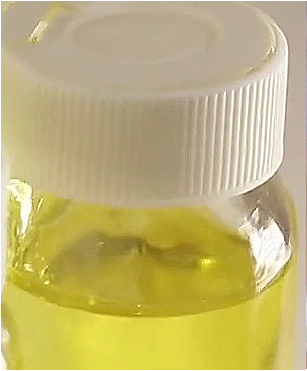
It occurs in the form of a yellowish liquid
What it is for and where
Cosmetics
Skin conditioning agent - Emollient. Emollients have the characteristic of enhancing the skin barrier through a source of exogenous lipids that adhere to the skin, improving barrier properties by filling gaps in intercorneocyte clusters to improve hydration while protecting against inflammation. In practice, they have the ability to create a barrier that prevents transepidermal water loss. Emollients are described as degreasing or refreshing additives that improve the lipid content of the upper layers of the skin by preventing degreasing and drying of the skin. The problem with emollients is that many have a strong lipophilic character and are identified as occlusive ingredients; they are oily and fatty materials that remain on the skin surface and reduce transepidermal water loss. In cosmetics, emollients and moisturisers are often considered synonymous with humectants and occlusives.
Moisturizing. This ingredient is responsible for preventing the evaporation of moisture from the skin and improving cellular activity. When exposed to cold or hot air currents, the skin absorbs water from its inner layer to compensate for the evaporated water. If the draught phenomenon persists, the stratum corneum is dry and, if at all, damaged.
Skin conditioning agent. It is the mainstay of topical skin treatment as it has the function of restoring, increasing or improving skin tolerance to external factors, including melanocyte tolerance. The most important function of the conditioning agent is to prevent skin dehydration, but the subject is rather complex and involves emollients and humectants that can be added in the formulation.
Soothing. Ingredient with the task of restoring moisture to the skin, helping in the healing process of irritation, inflammation and skin disorders.
Commercial Applications
Cosmetics. Incorporated into creams, lotions, and lip balms for their emollient properties and to enhance product texture.
Hair Care Products. Used in shampoos, conditioners, and hair treatments to provide hydration and shine.
Makeup. Included in cosmetics such as lipsticks and foundations for their ability to give a smooth and creamy finish.
Sun Care Products. Used in sunscreens for their capability to evenly distribute protective ingredients on the skin.

