Sigesbeckia Orientalis Extract is an extract obtained from the leaves of the seedling Sigesbeckia orientalis L., family Asteraceae.
The name describes the structure of the molecule
- "Sigesbeckia Orientalis" refers to an herbaceous perennial plant that grows in many parts of Asia. It is also known by common names such as "St. Paul's wort" or "St. Paul's wort."
- "Extract" indicates that the product is a substance obtained by extracting desired components from the plant, usually through processes such as infusion, decoction or percolation.
Description of raw materials used in production
- Sigesbeckia Orientalis - The plant from which the active ingredient is extracted.
- Solventi - Generally water, ethanol or a combination of both are used to extract the beneficial components from the plant.
Step-by-step summary of industrial chemical synthesis process
- Harvesting - Sigesbeckia Orientalis is harvested.
- Cleaning and preparation - The plant is cleaned of impurities and prepared for extraction.
- Extraction - The plant is submerged in a solvent to extract its beneficial components.
- Filtration - The extracted solution is filtered to remove solid particles.
- Concentration - The filtrate is then concentrated to achieve the desired extract.
- Drying - If necessary, the extract is dried to achieve a powder form.
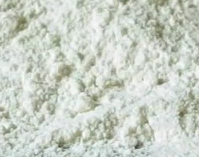
It appears in the form of a white powder.
What it is for and where
Medical
Sigesbeckia orientalis L. is used in traditional Chinese medicine and, in the modern day, as an anti-inflammatory (1) and neuroprotective (2).
Cosmetics
Skin conditioning agent. It is the mainstay of topical skin treatment as it has the function of restoring, increasing or improving skin tolerance to external factors, including melanocyte tolerance. The most important function of the conditioning agent is to prevent skin dehydration, but the subject is rather complex and involves emollients and humectants that can be added in the formulation.
Tonic. This product is used to treat the hair when the scalp is clean or after shampooing. It stimulates hair growth, revitalises the scalp for healthy hair growth and reduces hair loss. It provides a feeling of well-being on skin and hair.
CAS 90106-87-9
EC number 290-313-0
Commercial Applications
Cosmetics. Sigesbeckia orientalis extract is incorporated into skincare products for its anti-inflammatory and soothing properties.
Pain Relief Products. Used in some balms and gels for relief from muscular and joint pain.
Medical Applications
Anti-inflammatory Treatments. Traditionally used to treat inflammatory conditions such as arthritis.
Research. Studied for its potential benefits in treating various skin conditions and for its antioxidant properties.
Skin Therapies. Employed in treatments for skin conditions like eczema and psoriasis due to its soothing and rejuvenating properties.
References_____________________________________________________________________
(1) Chen CM, Houng JY, Ko TL, Juan SH, Chou HC. Sigesbeckia orientalis Extract Ameliorates the Experimental Diabetic Nephropathy by Downregulating the Inflammatory and Oxidative Stress Signaling Pathways. Evid Based Complement Alternat Med. 2022 Aug 5;2022:3323745. doi: 10.1155/2022/3323745.
Abstract. Diabetes in children and its complications are on the rise globally, which is accompanied by increasing in diabetes-related complications. Oxidative stress and inflammation induced by elevated blood sugar in diabetic patients are considered risk factors associated with the development of diabetes complications, including chronic kidney disease and its later development to end-stage renal disease. Microvascular changes within the kidneys of DM patients often lead to chronic kidney disease, which aggravates the illness. Sigesbeckia orientalis extract (SOE), reported to have strong antioxidative and excellent anti-inflammatory activities, is used in the modern practice of traditional Chinese medicine. Kidneys from three groups of control mice (CTR), mice with streptozotocin (STZ)-induced diabetes (DM), and mice with STZ-induced DM treated with SOE (DMRx) were excised for morphological analyses and immunohistochemical assessments. Only mice in the DM group exhibited significantly lower body weight, but higher blood sugar was present. The results revealed more obvious renal injury in the DM group than in the other groups, which appeared as greater glomerular damage and tubular injury, sores, and plenty of connective tissues within the mesangium. Not only did the DM group have a higher level of cytokine, tumor necrosis factor, and the oxidative stress marker, 8-hydroxyguanosine expression, but also factors of the nuclear factor pathway and biomarkers of microvascular status had changed. Disturbances to the kidneys in DMRx mice were attenuated compared to the DM group. We concluded that SOE is an effective medicine, with antioxidative and anti-inflammatory abilities, to protect against or attenuate diabetic nephropathy from inflammatory disturbances by oxidative stress and to cure vessel damage in a hyperglycemic situation. Copyright © 2022 Chung-Ming Chen et al.
(2) Chu JMT, Abulimiti A, Wong BSH, Zhao GD, Xiong SH, Zhao MM, Wang Y, Chen Y, Wang J, Zhang Y, Chang RCC, Yu H, Wong GTC. Sigesbeckia orientalis L. Derived Active Fraction Ameliorates Perioperative Neurocognitive Disorders Through Alleviating Hippocampal Neuroinflammation. Front Pharmacol. 2022 Mar 17;13:846631. doi: 10.3389/fphar.2022.846631. PMID: 35370714; PMCID: PMC8969099.
Abstract. Neuroinflammation is closely related to the pathogenesis of perioperative neurocognitive disorders (PNDs), which is characterized by the activation of microglia, inflammatory pathways and the release of inflammatory mediators. Sigesbeckia orientalis L. (SO) is a traditional Chinese medicine which demonstrates anti-inflammatory activities in different models. In this study, we aim to isolate the active fraction from the extract of SO with higher anti-inflammatory potential and confirm if the selected fraction exerts neuroprotection against the development of PND in an animal model. Moreover, the components in the selected fraction would be determined by UPLC-PDA analysis. Three fractions were prepared by column chromatography packed with three different macroporous resins. Anti-inflammatory activities of prepared fractions were accessed in microglial BV2 cultures by nitric oxide release, gene expression of inflammatory cytokines and activation of inflammatory JNK and NF-kB pathway molecules. Our results demonstrated that the fraction prepared from D101 macroporous resin (D101 fraction) exhibited a more potent anti-neuroinflammatory effect. The neuroprotective effect of D101 fraction was further examined in postoperative mice. Our results showed that surgery-induced cognitive dysfunction was attenuated by the D101 fraction treatment. This fraction also reduced microglial activation, inflammatory cytokines and inhibiting JNK and NF-kB pathway molecules in the hippocampus. In addition, surgery induced dendritic spine loss while D101 fraction ameliorated the spine loss in the hippocampus. For safety concerns, anti-thrombotic effect was examined by tail bleeding assay and no significant change of the bleeding pattern was found. UPLC-PDA analysis indicated that flavonoids (rutin, isochlorogenic acid A, isochlorogenic acid C) and terpenoid (darutoside) were the most important components in the D101 fraction. Our results support a therapeutic, as well as the translational potential for D101 fraction in ameliorating postoperative neuroinflammation and subsequent PND in the clinical setting without increasing bleeding tendencies. Copyright © 2022 Chu, Abulimiti, Wong, Zhao, Xiong, Zhao, Wang, Chen, Wang, Zhang, Chang, Yu and Wong.




