Laminaria Digitata Extract è un composto di origine naturale ottenuto da un'alga bruna, Laminaria Digitata, famiglia Laminariaceae.
Il nome definisce la struttura della molecola
- "Laminaria Digitata" si riferisce a una specie di alga bruna comunemente nota come kelp dito o alga marina. Cresce principalmente nelle regioni fredde dell'Atlantico settentrionale.
- "Extract" indica che il prodotto è una sostanza ottenuta estraendo componenti desiderati dall'alga, solitamente attraverso processi come l'infusione, la decozione o la percolazione.
Descrizione delle materie prime utilizzate nella produzione
- Laminaria Digitata - L'alga marina da cui viene estratto l'ingrediente attivo.
- Solventi - Tipicamente l'acqua o l'etanolo sono utilizzati per estrarre i componenti benefici dall'alga.
Processo Passo Dopo Passo.
- Raccolta - Laminaria Digitata viene raccolta, preferibilmente da fonti sostenibili.
- Pulizia e preparazione - L'alga viene pulita da impurità e preparata per l'estrazione.
- Estrazione - L'alga viene posta in un solvente per estrarre i componenti benefici.
- Filtrazione - La soluzione estratta viene filtrata per rimuovere particelle solide.
- Concentrazione - Il filtrato viene poi concentrato, se necessario, per ottenere l'estratto desiderato.
- Essiccazione - Se necessario, l'estratto viene essiccato per ottenere una polvere.
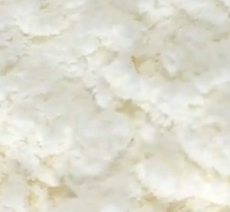
Si presenta in forma di polvere giallastra o bianca.
A cosa serve e dove si usa
Alimentazione
Laminaria Digitata come tutte le alghe brune, costituisce una fonte alimentare importante e componente sostanziale della dieta umana con benefici per la salute nel ridurre il rischio di obesità, diabete di tipo 2, e malattia coronarica (1) nonché può alterare favorevolmente il microbiota intestinale e conferire benefici per la salute (2).
Medicina
Laminaria Digitata come tutte le alghe brune, per la presenza di diversi polisaccaridi, ha mostrato attività antiossidante e può generare peptidi bioattivi contenenti idrolizzati proteici (3).
Cosmetica
Protettivo della pelle. Crea una barriera protettiva sulla pelle per difenderla da sostanze nocive, irritanti, allergeni, agenti patogeni che possono provocare varie condizioni infiammatorie. Questi prodotti possono anche migliorare la barriera cutanea naturale e nella maggior parte dei casi ne occorrono più di uno per raggiungere un risultato efficace.
CAS 90046-12-1
EC number 289-980-0
Applicazioni commerciali
Cosmetica. L'estratto di Laminaria digitata è spesso utilizzato in prodotti per la cura della pelle per le sue proprietà idratanti, tonificanti e anti-invecchiamento.
Prodotti per la perdita di peso. Potendo influenzare il metabolismo, viene usato in alcuni integratori destinati alla perdita di peso.
Industria alimentare. Come addensante o stabilizzante in alcuni prodotti alimentari.
Applicazioni Mediche
Ricerca. Studiato per i suoi potenziali benefici sulla tiroide grazie all'alto contenuto di iodio.
Terapie disintossicanti. Utilizzato in trattamenti spa e benessere per le sue proprietà disintossicanti.
Bibliografia_____________________________________________________________________
(1) Agostoni, C. V., Bresson, J. L., Fairweather Tait, S., Flynn, A., Golly, I., Korhonen, H., ... & Verhagen, H. (2010). Scientific Opinion on Dietary Reference Values for carbohydrates and dietary fibre. EFSA journal, 8(3).
Abstract. This Opinion of the EFSA Panel on Dietetic Products, Nutrition, and Allergies (NDA) deals with the establishment of Dietary Reference Values for carbohydrates and dietary fibre. Nutritionally, two broad categories of carbohydrates can be differentiated: “glycaemic carbohydrates”, i.e. carbohydrates digested and absorbed in the human small intestine, and ‘dietary fibre’, non-digestible carbohydrates passing to the large intestine. In this Opinion, dietary fibre is defined as non-digestible carbohydrates plus lignin. The absolute dietary requirement for glycaemic carbohydrates is not precisely known but will depend on the amount of fat and protein ingested. The Panel proposes 45 to 60 E% as the reference Intake range for carbohydrates applicable to both adults and children older than one year of age. Although high frequency of intake of sugar-containing foods can increase the risk of dental caries, there are insufficient data to set an upper limit for (added) sugar intake. Based on the available evidence on bowel function, the Panel considers dietary fibre intakes of 25 g/day to be adequate for normal laxation in adults. A fibre intake of 2 g/MJ is considered adequate for normal laxation in children from the age of one year. Although there is some experimental evidence that a reduction of the dietary glycaemic index and glycaemic load may have favourable effects on some metabolic risk factors such as serum lipids, the evidence for a role in weight maintenance and prevention of diet-related diseases is inconclusive.
(2) Strain CR, Collins KC, Naughton V, McSorley EM, Stanton C, Smyth TJ, Soler-Vila A, Rea MC, Ross PR, Cherry P, Allsopp PJ. Effects of a polysaccharide-rich extract derived from Irish-sourced Laminaria digitata on the composition and metabolic activity of the human gut microbiota using an in vitro colonic model. Eur J Nutr. 2020 Feb;59(1):309-325. doi: 10.1007/s00394-019-01909-6. Epub 2019 Feb 25. PMID: 30805695; PMCID: PMC7000515.
Abstract. Background: Brown seaweeds are known to be a rich source of fiber with the presence of several non-digestible polysaccharides including laminarin, fucoidan and alginate. These individual polysaccharides have previously been shown to favorably alter the gut microbiota composition and activity albeit the effect of the collective brown seaweed fiber component on the microbiota remains to be determined. Methods: This study investigated the effect of a crude polysaccharide-rich extract obtained from Laminaria digitata (CE) and a depolymerized CE extract (DE) on the gut microbiota composition and metabolism using an in vitro fecal batch culture model though metagenomic compositional analysis using 16S rRNA FLX amplicon pyrosequencing and short-chain fatty acid (SCFA) analysis using GC-FID...Conclusion: The microbiota-associated metabolic and compositional changes noted provide initial indication of putative beneficial health benefits of L. digitata in vitro; however, research is needed to clarify if L. digitata-derived fiber can favorably alter the gut microbiota and confer health benefits in vivo.
(3) Purcell D, Packer MA, Hayes M. Angiotensin-I-Converting Enzyme Inhibitory Activity of Protein Hydrolysates Generated from the Macroalga Laminaria digitata (Hudson) JV Lamouroux 1813. Foods. 2022 Jun 17;11(12):1792. doi: 10.3390/foods11121792.
Abstract. Seaweeds have a long history of use as both food and medicine, especially in Asian cultures. Moreover, there is growing interest in the use of seaweed ingredients and bioactive compounds in pharmaceutical and nutraceutical products. One ailment that seaweed bioactive compounds may impact is hypertension caused by the enzyme Angiotensin Converting Enzyme 1 (ACE-1; EC 3.4.15.1), found within the Renin-Angiotensin Aldosterone System (RAAS), which causes vasoconstriction of blood vessels, including veins and arteries. The aim of this paper is to generate bioactive peptide containing protein hydrolysates from the brown seaweed Laminaria digitata (Hudson) JV Lamouroux 1813. Proteins were extracted from this seaweed by disrupting the seaweed cell wall using a combination of carbohydrases and proteolytic enzymes. Bioactive peptide containing permeates were generated from L. digitata protein hydrolysates, and both hydrolysates and permeates were screened for their ability to inhibit the enzyme ACE-1. The protein content of the permeate fractions was found to be 23.87% compared to the untreated seaweed, which contained 15.08% protein using LECO analysis. Hydrolysis and filtration resulted in a "white" protein powder, and the protein content of this powder increased by 9% compared to the whole seaweed. The total amino acid (TAA) content of the L. digitata protein permeate was 53.65 g/100 g of the sample, and contains over 32% essential amino acids (EAA). Furthermore, the L. digitata permeate was found to inhibit the ACE-1 enzyme by 75% when compared to the commercial drug Captopril© when assayed at a concentration of 1 mg/mL. The inhibition of ACE-1 (the IC50 value) of 590 µg/mL for the L. digitata permeate compares well with Captopril©, which had 100% inhibition of ACE-1, with an IC50 value of 500 µg/mL. This study indicates that there is potential to develop protein powders with ACE-1 inhibitory bioactivities from the brown seaweed L. digitata using enzymatic hydrolysis as a cell disruption and protein extraction/hydrolysate generation procedure.




