Polygonum Cuspidatum Root Extract is a compound of natural origin obtained from the Polygonus plant of Japan, family Polygonaceae.
The name describes the structure of the molecule
- "Polygonum Cuspidatum". Refers to a plant also known as Japanese knotweed. It's a perennial herbaceous plant that grows in many parts of Asia and North America.
- "Extract". Indicates that the product is a substance obtained by extracting desired components from the plant, usually through processes like infusion, decoction, or percolation.
Description of raw materials used in production
- Polygonum Cuspidatum - The plant from which the active ingredient is extracted.
- Solvents - Typically water or ethanol are used to extract the beneficial components from the plant.
Step-by-step summary of industrial chemical synthesis process
- Harvesting - Polygonum Cuspidatum is harvested, preferably from sustainable sources.
- Cleaning and preparation - The plant is cleaned of impurities and prepared for extraction.
- Extraction - The plant is subjected to a solvent to extract beneficial components, especially resveratrol.
- Filtration - The extracted solution is filtered to remove solid particles.
- Concentration - The filtrate is then concentrated, if needed, to achieve the desired extract.
- Drying - If necessary, the extract is dried to achieve a powder form.
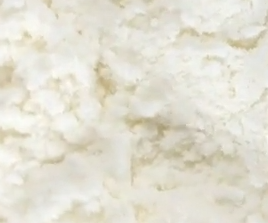
It comes in the form of a yellowish or white powder.
What it is for and where
Medical
Polygonum Cuspidatum is used as a folk medicine for the treatment of various diseases, including atherosclerosis, hypertension and diabetes (1) while more recent research has shown its antitumor activity (2) antimicrobial, anti-inflammatory (3).
Cosmetics
Antioxidant agent. Ingredient that counteracts oxidative stress and prevents cell damage. Free radicals, pathological inflammatory processes, reactive nitrogen species and reactive oxygen species are responsible for the ageing process and many diseases caused by oxidation.
Commercial Applications
Cosmetics. Due to its antioxidant properties, the extract is used in creams and serums to prevent skin aging.
Dietary Supplements. Used as a source of resveratrol, known for its potential heart health and anti-aging benefits.
Food Products. Occasionally used as a food additive for its beneficial properties.
Medical Applications
Research. Studied for its potentially beneficial health effects, including anti-aging, anti-inflammatory, and cardioprotective.
Antioxidant Therapies. The extract might be employed to harness its antioxidant properties in combating free radicals in the body.
Potential in Disease Treatment. There's ongoing research on the extract's ability to combat certain diseases owing to the resveratrol it contains.
References_____________________________________________________________________
(1) Sheng Z, Ai B, Zheng L, Zheng X, Yang Y, Shen Y. Capability of polygonum cuspidatum extract in inhibiting AGEs and preventing diabetes. Food Sci Nutr. 2019 May 1;7(6):2006-2016. doi: 10.1002/fsn3.1029. PMID: 31289648; PMCID: PMC6593475.
Abstract. Diabetes is a metabolic disorder disease associated with advanced glycation end products (AGEs) and protein glycation. The effect of polygonum cuspidatum extract (PE) on AGEs and Nε-(Carboxymethyl)-L-lysine formation, protein glycation, and diabetes was investigated. Six primary phenolics in a range of 12.36 mg/g for ellagic acid to 0.01 mg/g for piceid were determined in PE. In an intermediate-moisture-foods model, inhibition rate of PE was as high as 54.2% for AGEs and 78.9% for CML under aw 0.75. The protein glycation was also inhibited by PE. In a diabetic rat model, the levels of blood glucose, serum malondialdehyde, cholesterol, triglycerides, and low-density lipoproteins were effectively reduced by PE treatment. The antioxidation capacity (T-AOC) and superoxide dismutase (SOD) activity were also mediated by PE. Additionally, the activates of liver function-related enzymes including alkaline phosphatase (ALP), glutamate pyruvate transaminase (GPT), and glutamate oxaloacetate transaminase (GOT) in diabetic rat were improved by PE.
(2) Wu X, Li Q, Feng Y, Ji Q. Antitumor Research of the Active Ingredients from Traditional Chinese Medical Plant Polygonum Cuspidatum. Evid Based Complement Alternat Med. 2018 Nov 21;2018:2313021. doi: 10.1155/2018/2313021.
Abstract. In recent years, the utilization of Chinese native medicine and other plant extracts in the treatment of diseases has attracted extensive attention, especially in the area of malignant tumors. However, lots of herbal remedies active ingredients have not been found or have been discovered but not effectively developed and applied. Therefore, screening new Chinese medicine active components and determining their antitumor effects have become a new breakthrough in the prevention and treatment of tumor disease. In the past years, a large number of studies have demonstrated that Polygonum cuspidatum and its active components like resveratrol showed excellent antitumor activities, including our own antitumor studies about resveratrol in colorectal cancer. The purpose of this review is to summarize the research progress of Chinese herb Polygonum cuspidatum and its active components in tumor diseases and provide theoretical basis for further scientific experiments and clinical applications.
(3) Zhang H, Li C, Kwok ST, Zhang QW, Chan SW. A Review of the Pharmacological Effects of the Dried Root of Polygonum cuspidatum (Hu Zhang) and Its Constituents. Evid Based Complement Alternat Med. 2013;2013:208349. doi: 10.1155/2013/208349.
Abstract. Traditional Chinese medicine (TCM) has been widely used in China for thousands of years to treat and prevent diseases. TCM has been proven safe and effective, and it is being considered as one of the important types of complementary and alternative medicine and receives increasing attention worldwide. The dried root of Polygonum cuspidatum Sieb. et Zucc. (also known as "Hu Zhang" in Chinese) is one of the medicinal herbs listed in the Pharmacopoeia of the People's Republic of China. Hu Zhang is widely distributed in the world. It can be found in Asia and North America and is used as folk medicine in countries such as Japan and Korea. In China, Hu Zhang is usually used in combination with other TCM herbs. The therapeutic uses of those Hu Zhang-containing TCM prescriptions or formulations are for treating cough, hepatitis, jaundice, amenorrhea, leucorrhea, arthralgia, burns and snake bites. Recent pharmacological and clinical studies have indicated that Hu Zhang has antiviral, antimicrobial, anti-inflammatory, neuroprotective, and cardioprotective functions. This review gives a summary of the reported therapeutic effects of the active compounds and the different extracts of Hu Zhang.




